← AI–Generated
Hardboiled Stakes in the Fog, Revisited: Eight Months of Image Models
The story hasn’t changed: a private eye, a frightened woman named Harker, and a Dutch uncle who refuses to stay dead. What changed is everything around it. The original slides were generated with NotebookLM in late 2025, and image models haven’t stood still since. Same scenes, same fog, eight months apart.
In the original story the slides were generated with NotebookLM. This post re-renders the same scenes with GPT Image 2, run through Polyptych, my own slide pipeline, and sets old and new side by side.
This isn’t a clean model-versus-model swap; the whole deck changed shape. NotebookLM produced fourteen infographic slides: cream, torn-paper backgrounds with photographic or drawn insets, the narration set in type beside the picture. GPT Image 2 produced twelve fully painted panels in one consistent noir style, the typography baked into the art, several of NotebookLM’s separate beats folded into denser compositions. So the comparison below pairs images by scene, not by slide number, and where the new pipeline fused two old beats into one panel, I say so.
One caveat up front: some of what you see is the image model getting better, and some is the pipeline and the prompts changing around it. The new version wasn’t made with NotebookLM at all. I built it with Polyptych, the slide-generation tool I’ve now released as open source, the same one I put up against NotebookLM on Okakura’s Book of Tea. For this run, GPT Image 2 only rendered the art; Claude Opus 4.8 drove the rest of the pipeline — the slide writing, the layout and design, the image prompts, the deck structure. Where I can, I’ll keep the model and the pipeline apart.
1. The client
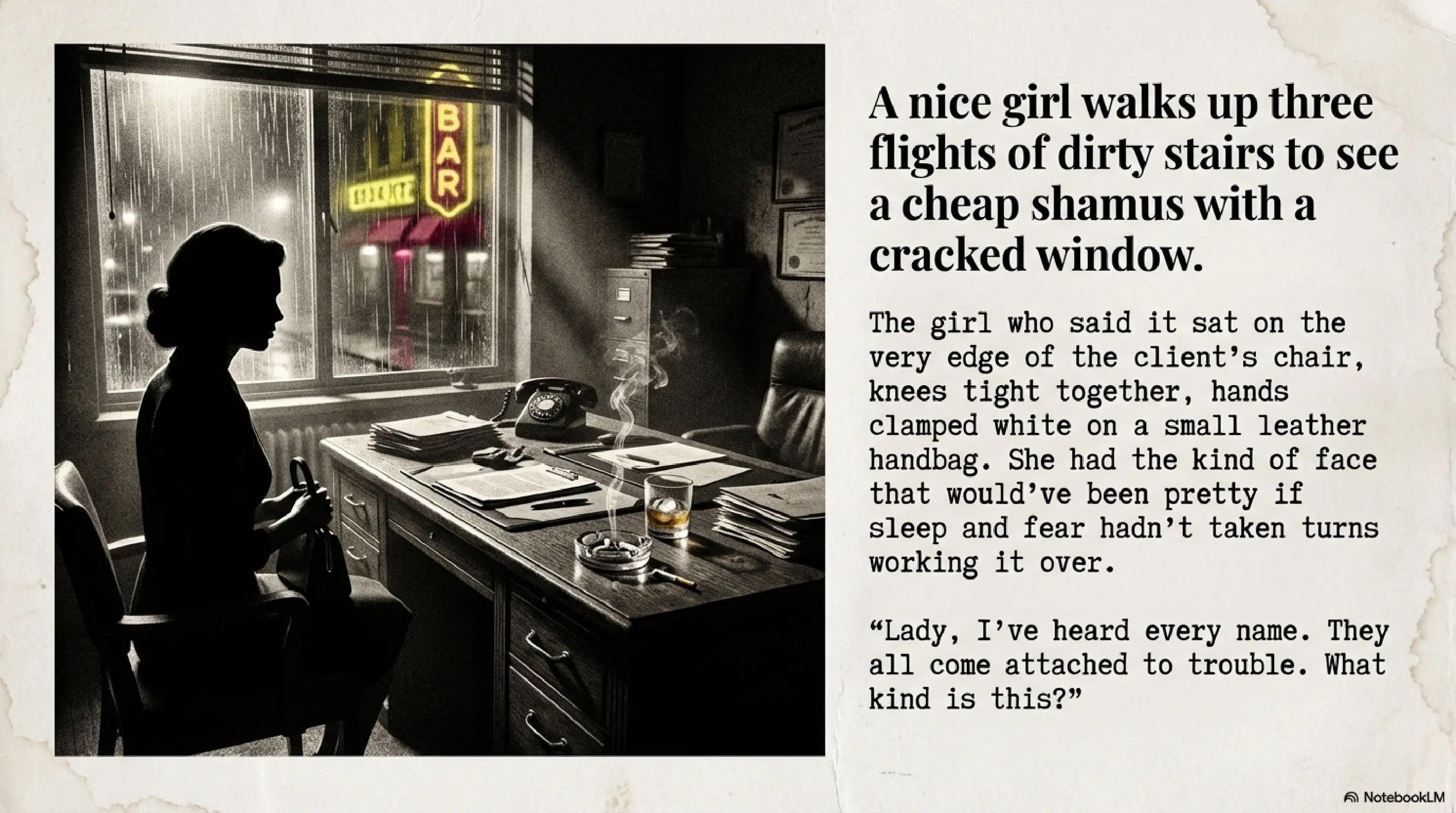
A frightened young woman on the edge of the client’s chair in a shabby 1940s San Francisco detective office, rain crawling down the window, the name “Van Helsing” hanging in the air.
NotebookLM — January 2026
GPT Image 2 — June 2026
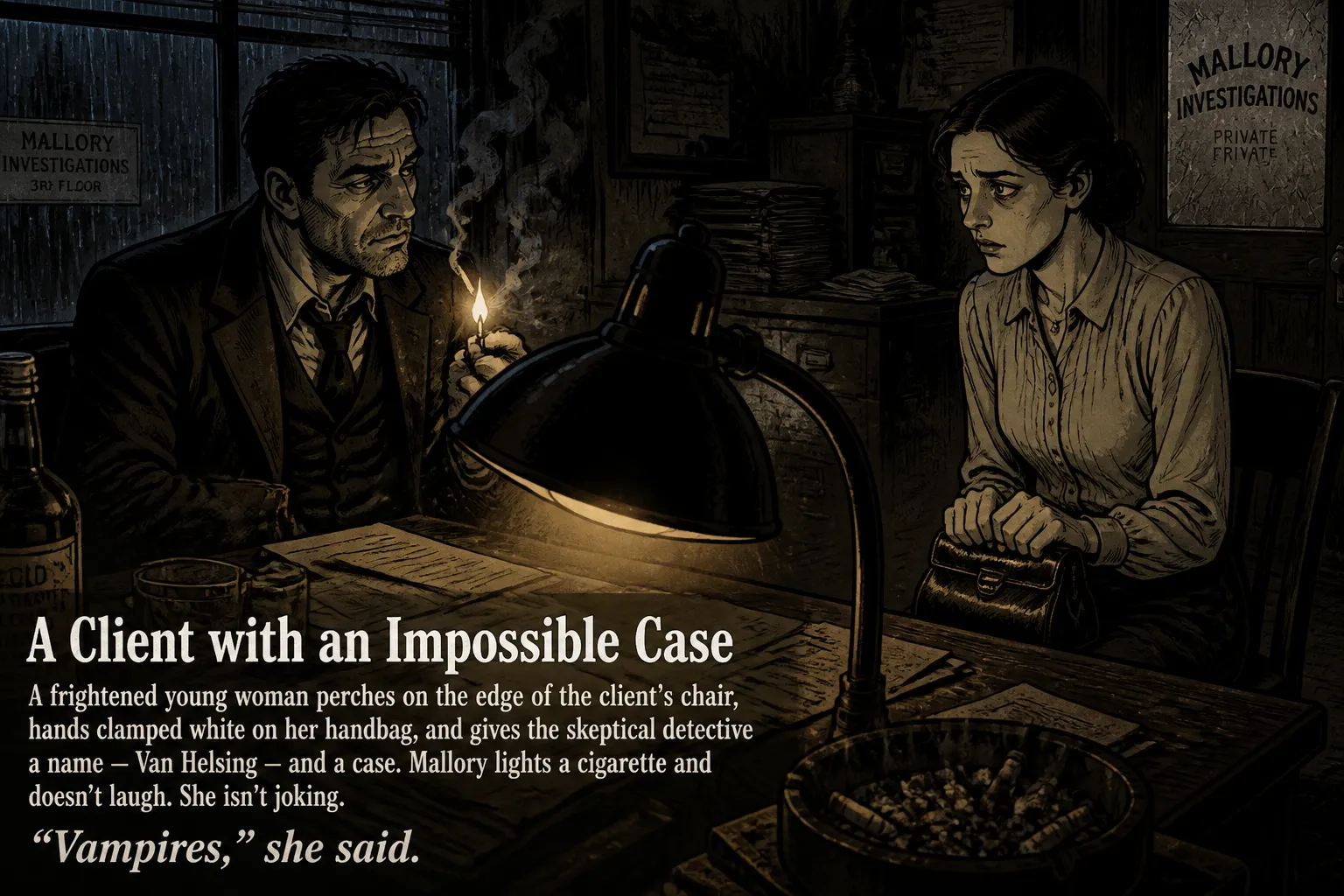
NotebookLM spent two slides here: a wide shot of the office and a separate close-up for “Vampires,” she said. GPT Image 2 stages both as one acted two-shot — Mallory lighting a cigarette, Mina drawn tight.
2. The bodies and the letter
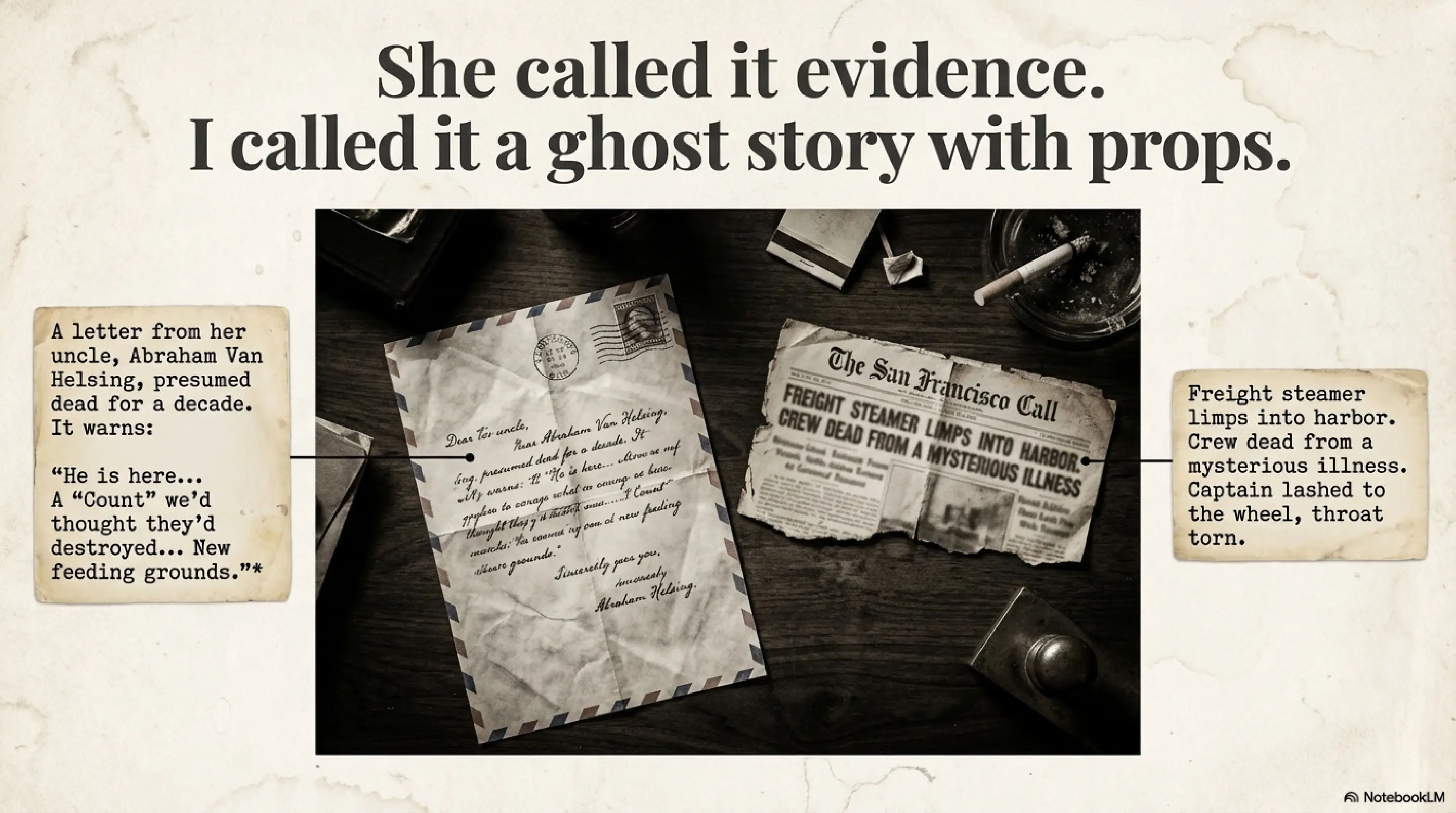
A dockworker dead in an alley off the Embarcadero, bled white, two neat punctures at the throat; a letter from Amsterdam warning that an uncle thought dead a decade is alive, and he is here.
NotebookLM — January 2026
GPT Image 2 — June 2026
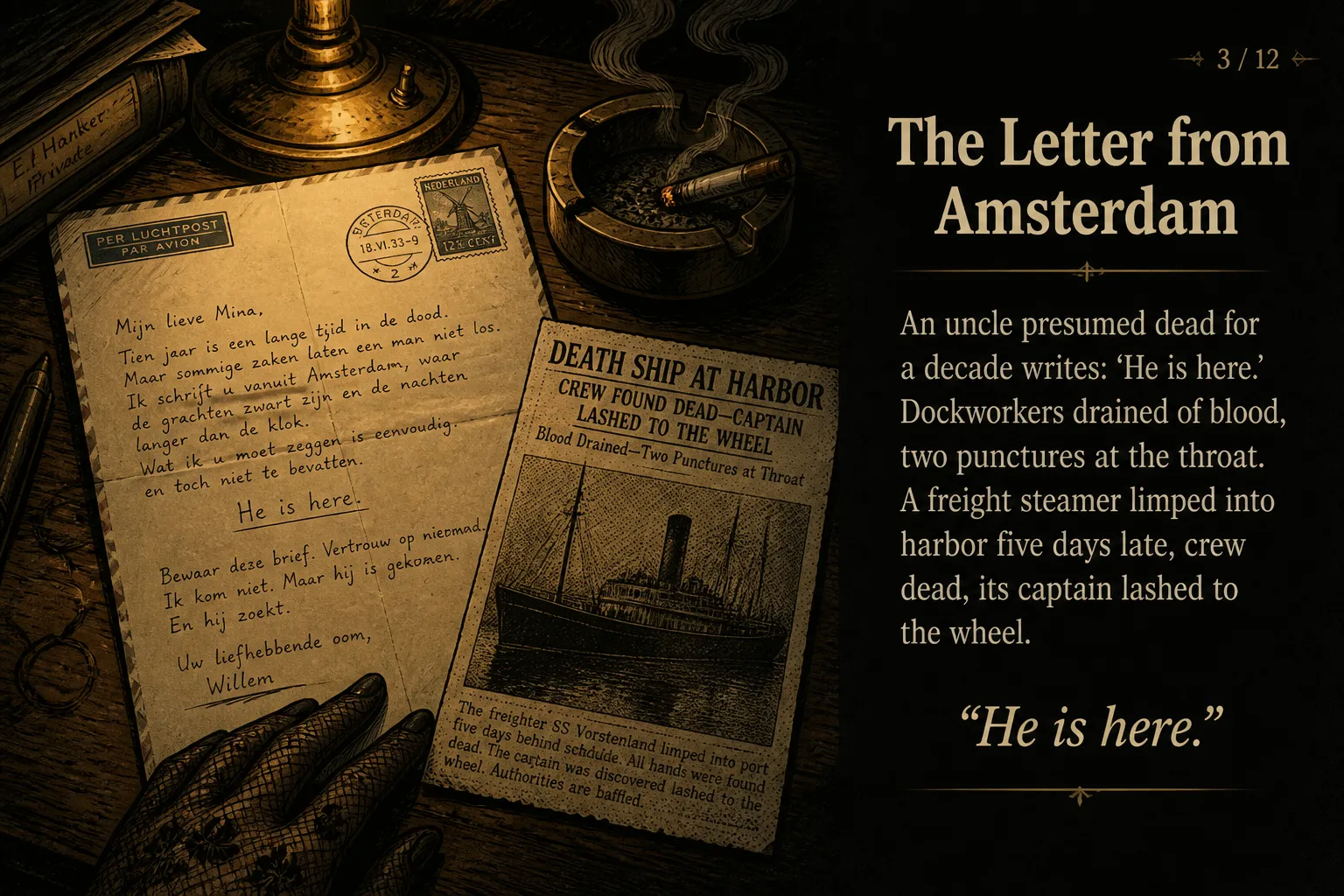
NotebookLM gave the bled-out dockworker his own alley slide. GPT Image 2 folds the deaths into the letter panel: a “DEATH SHIP AT HARBOR” postcard tucked beside the envelope, read by a gloved hand.
3. The retainer
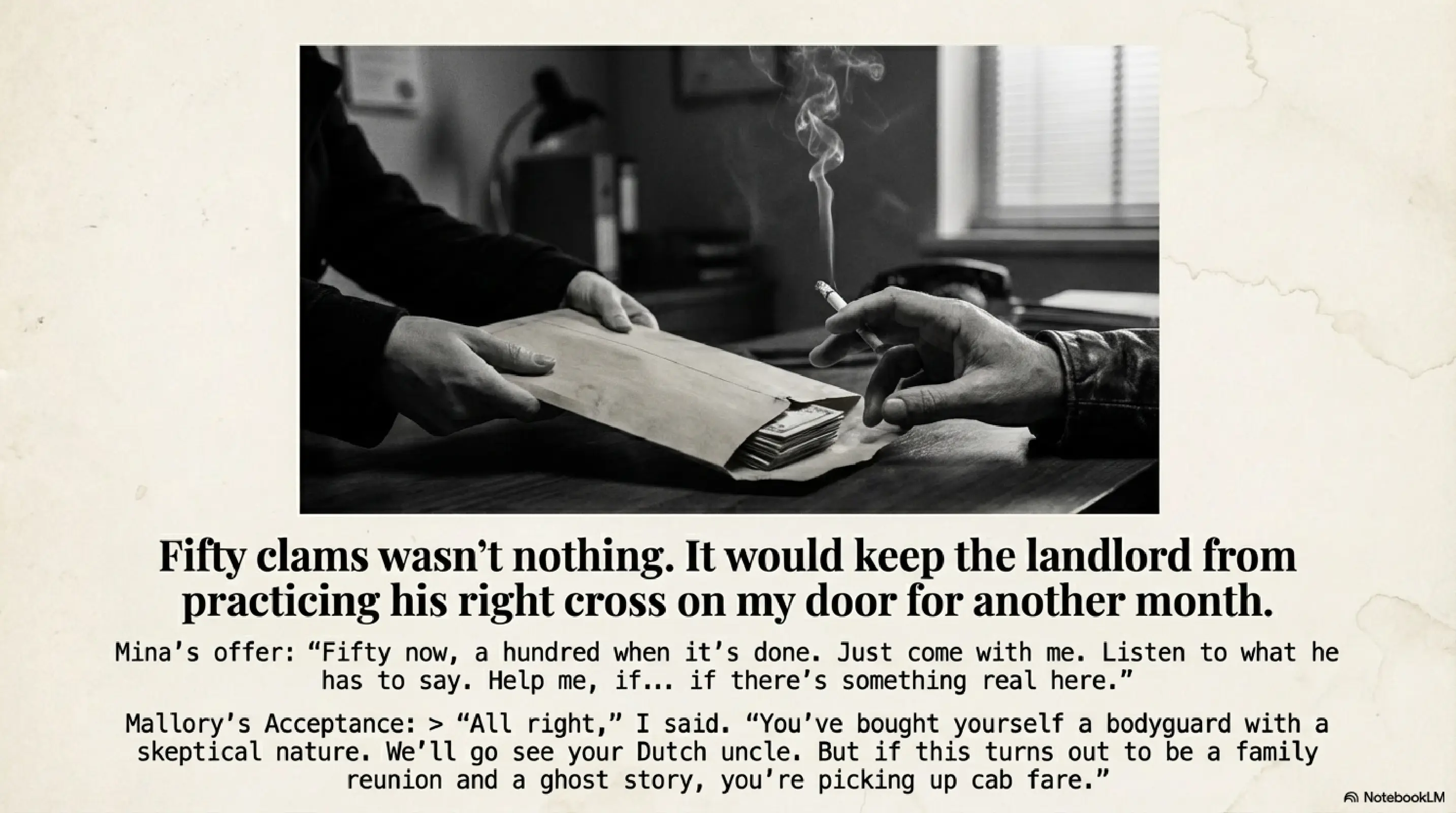
Folded bills pushed across the desk; a deal struck between fear and curiosity in lamplight.
NotebookLM — January 2026
GPT Image 2 — June 2026
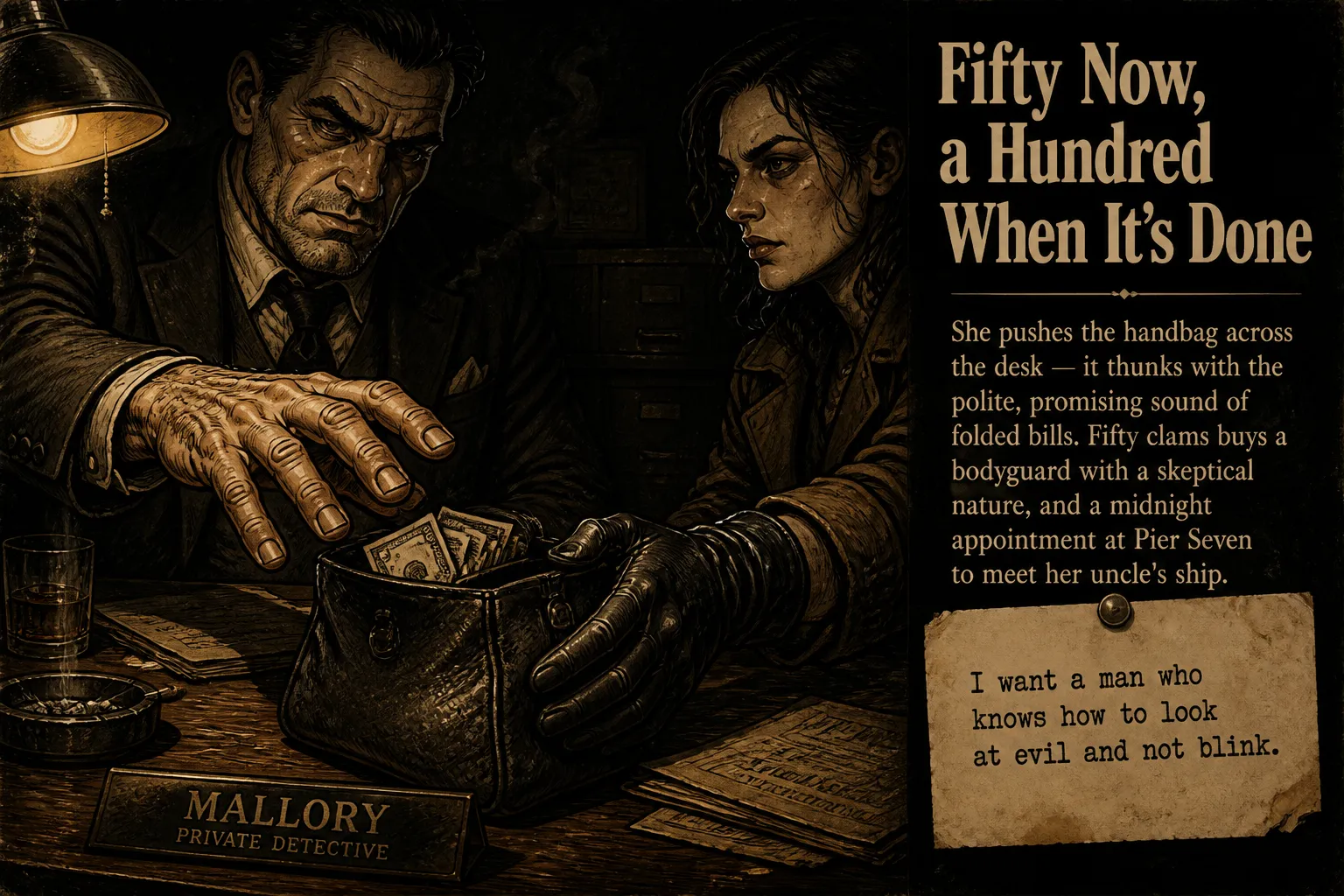
NotebookLM gives a photoreal close-up of an envelope. GPT Image 2 stages both characters at the desk, the nameplate reading MALLORY, PRIVATE DETECTIVE crisp in the paint.
4. Pier Seven
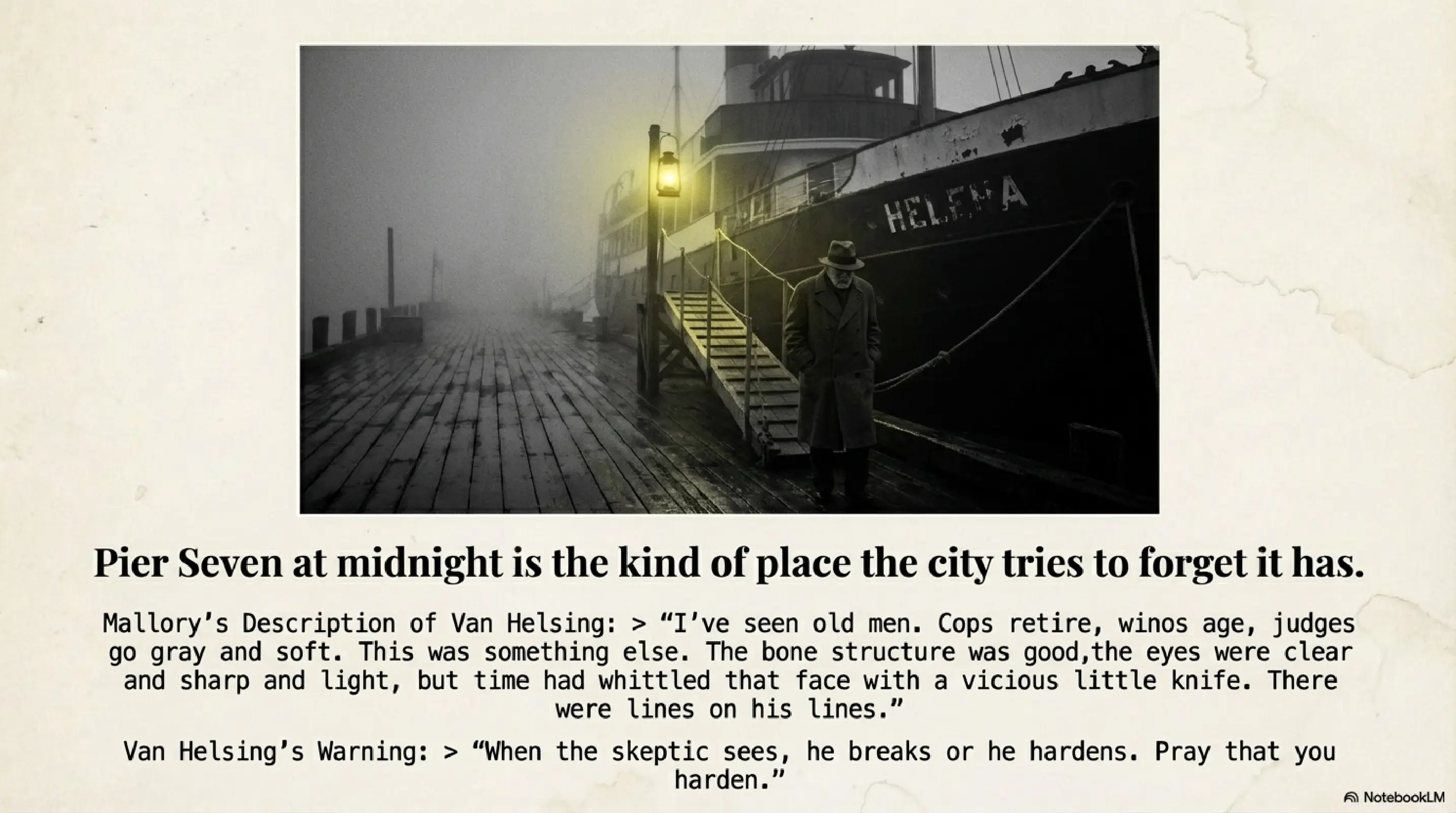
Pier Seven at midnight: fog piled against the pilings, ships looming like the bones of dead whales, a single sickly lantern at a gangway where a stooped old man waits.
NotebookLM — January 2026
GPT Image 2 — June 2026
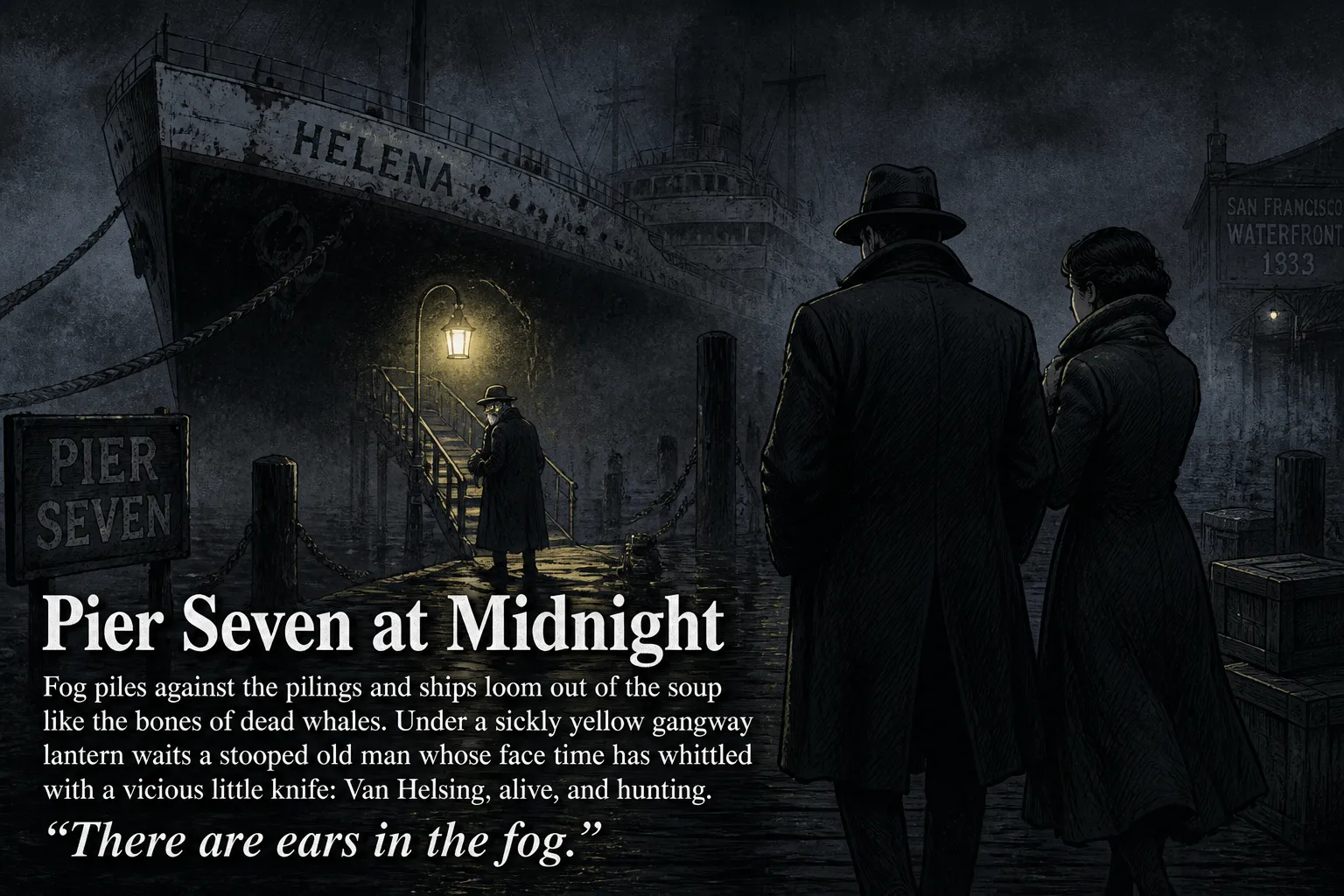
The closest pairing in the set: both render the Helena, the lantern, and the fog. NotebookLM's is a clean black-and-white photograph; GPT Image 2's is painted, with Mallory and Mina watching from the foreground.
5. The professor’s evidence
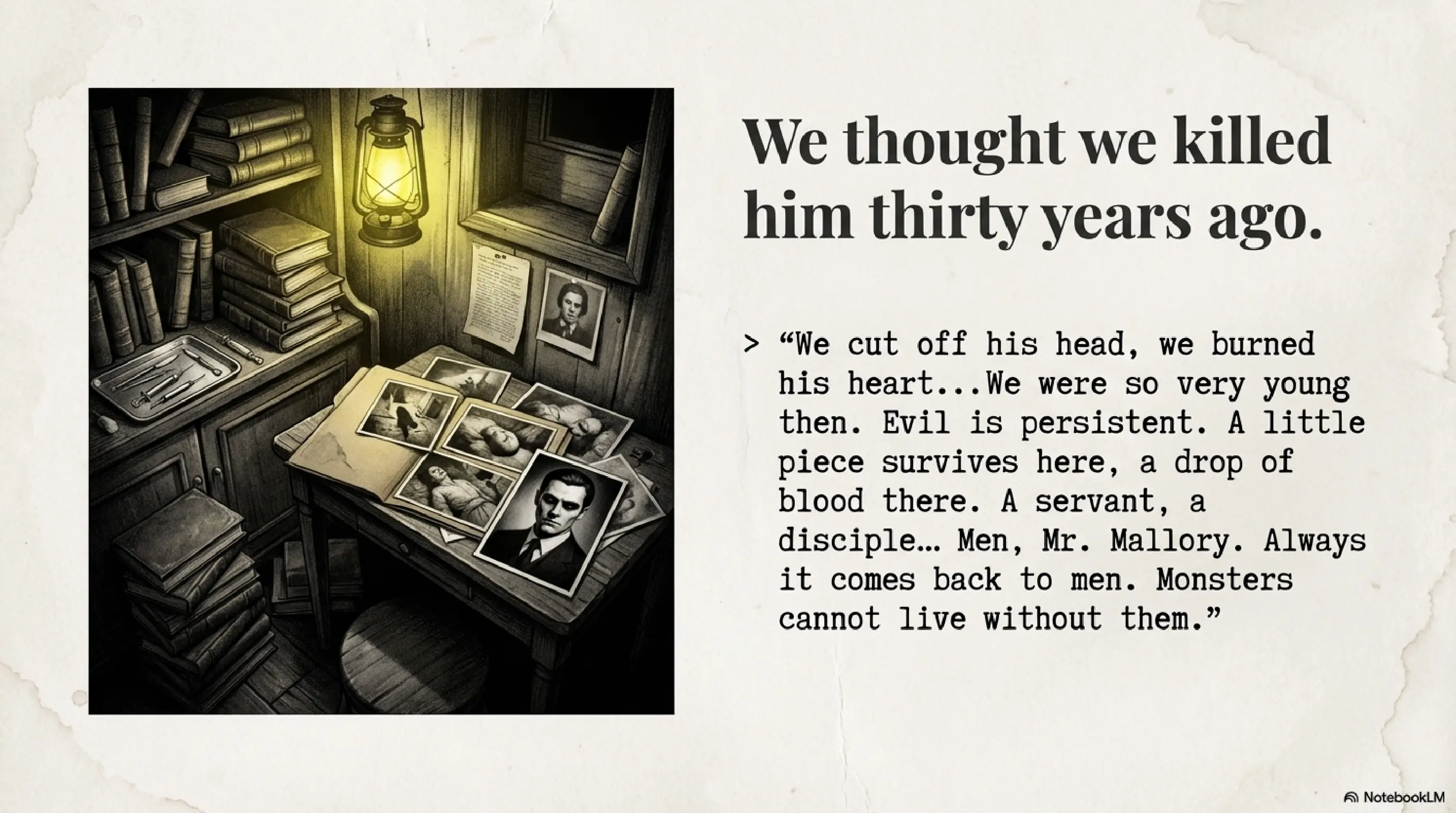
Van Helsing in his cramped ship cabin — books and bottles and used scalpels — laying out thirty years of failure, coroner photographs of drained bodies, and a business card for a warehouse that tries too hard.
NotebookLM — January 2026
GPT Image 2 — June 2026
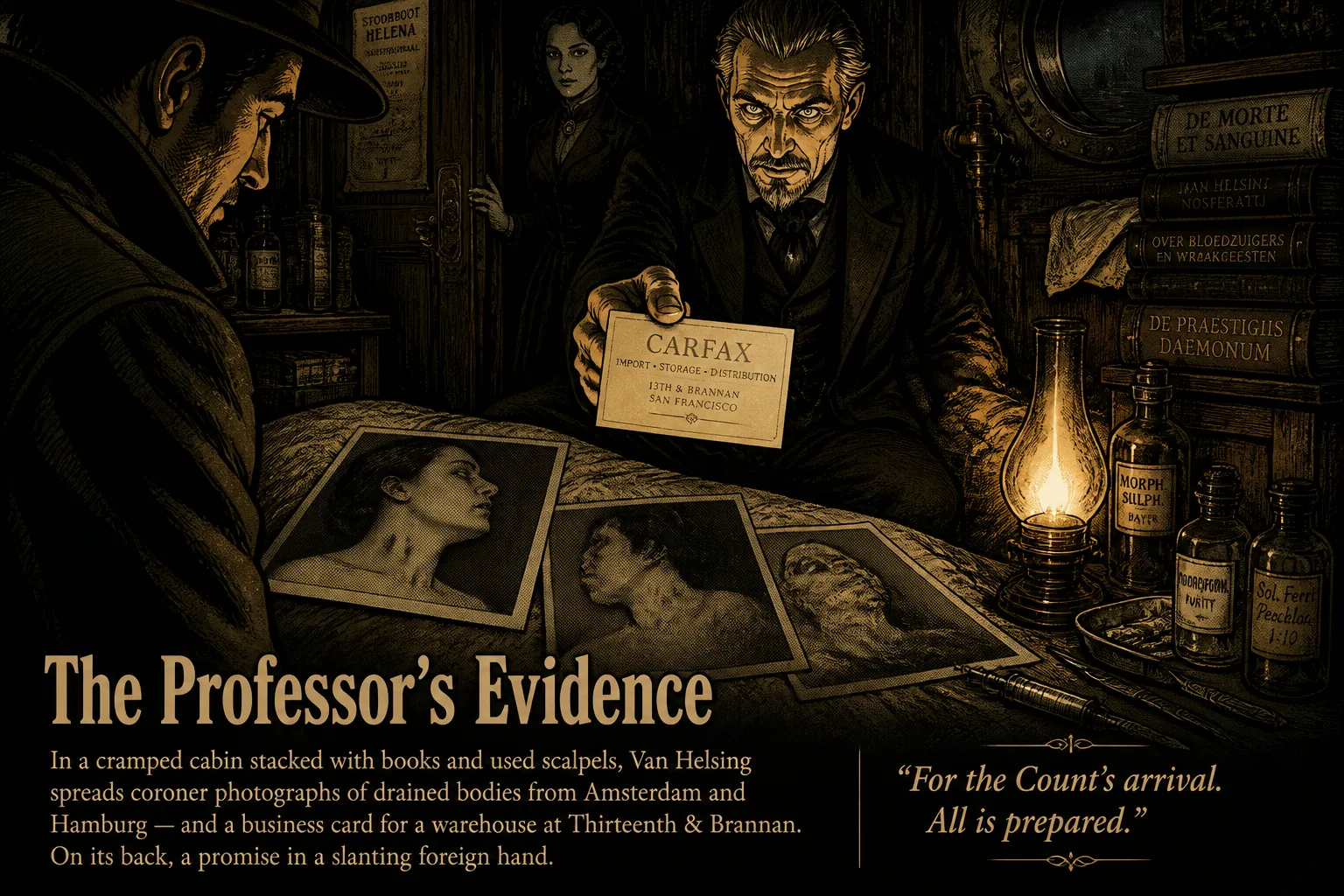
The clearest case of merging: NotebookLM split this across three slides (the thirty-years cabin, the coroner photos, the Carfax card). GPT Image 2 packs all of it into one dense composition — Van Helsing holding the card, Mina ghosted behind, Latin spines like DE MORTE ET SANGUINE legible on the shelf.
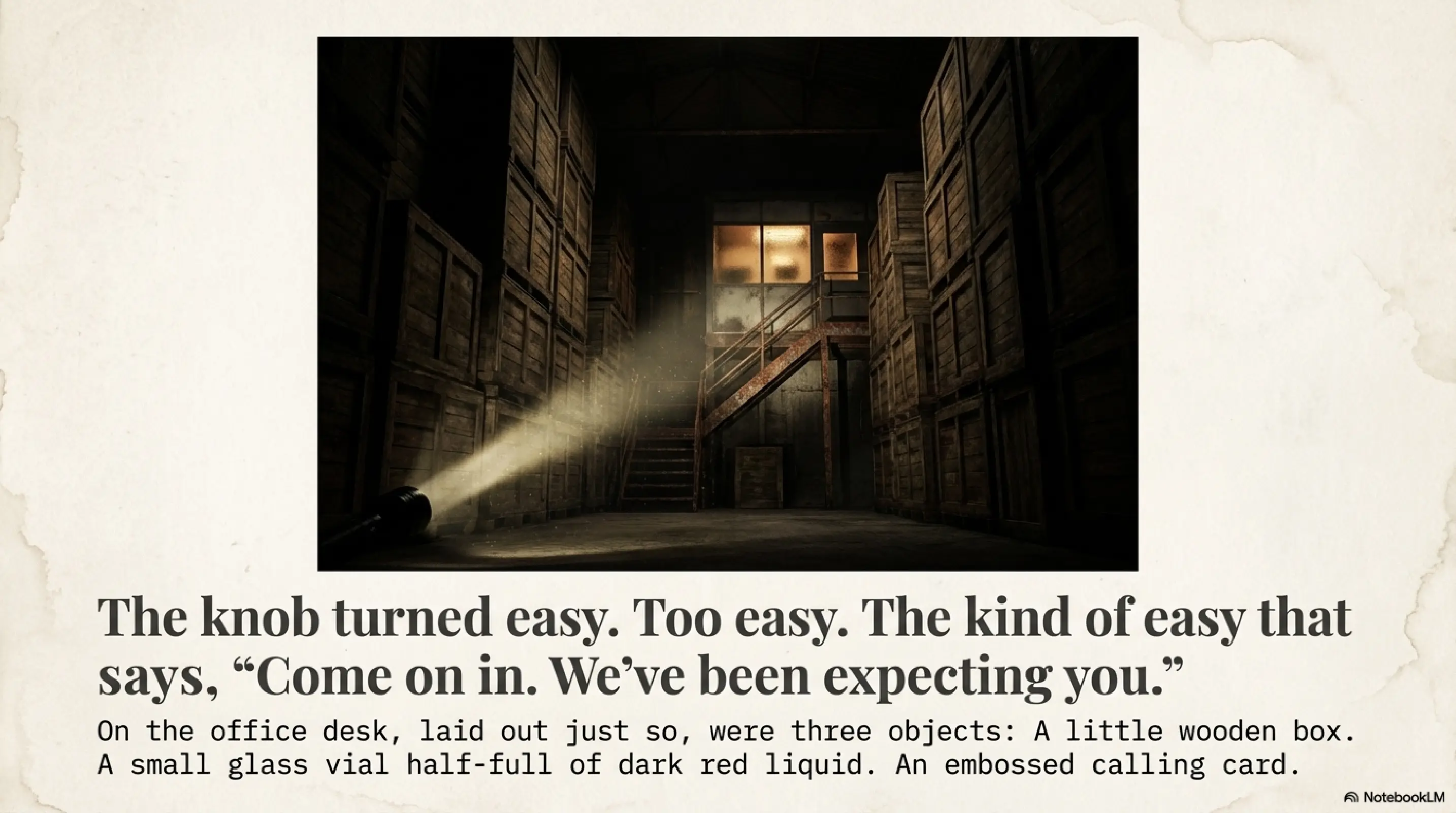
6. Breaking into Warehouse C
An iron staircase inside the dark warehouse, crates stamped with European ports, a frosted office window glowing faint amber; a doorknob that turns too easy.
NotebookLM — January 2026
GPT Image 2 — June 2026
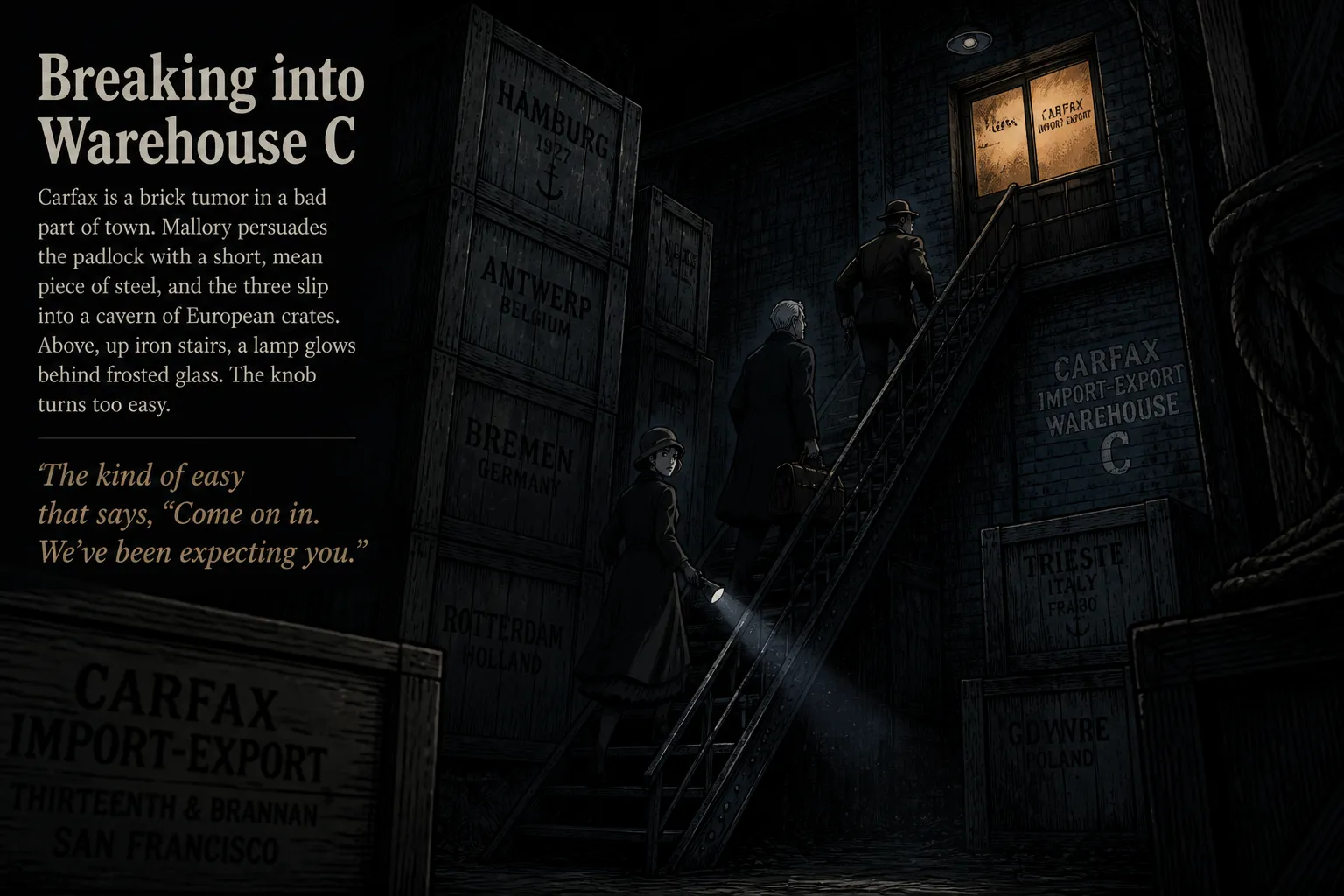
NotebookLM gives an empty, moody warehouse lit by a lone flashlight beam. GPT Image 2 peoples it: three figures climbing, crates stencilled HAMBURG 1927, ANTWERP BELGIUM, BREMEN. Most of the lettering reads, though a back crate garbles to “CDYWRE POLAND.”
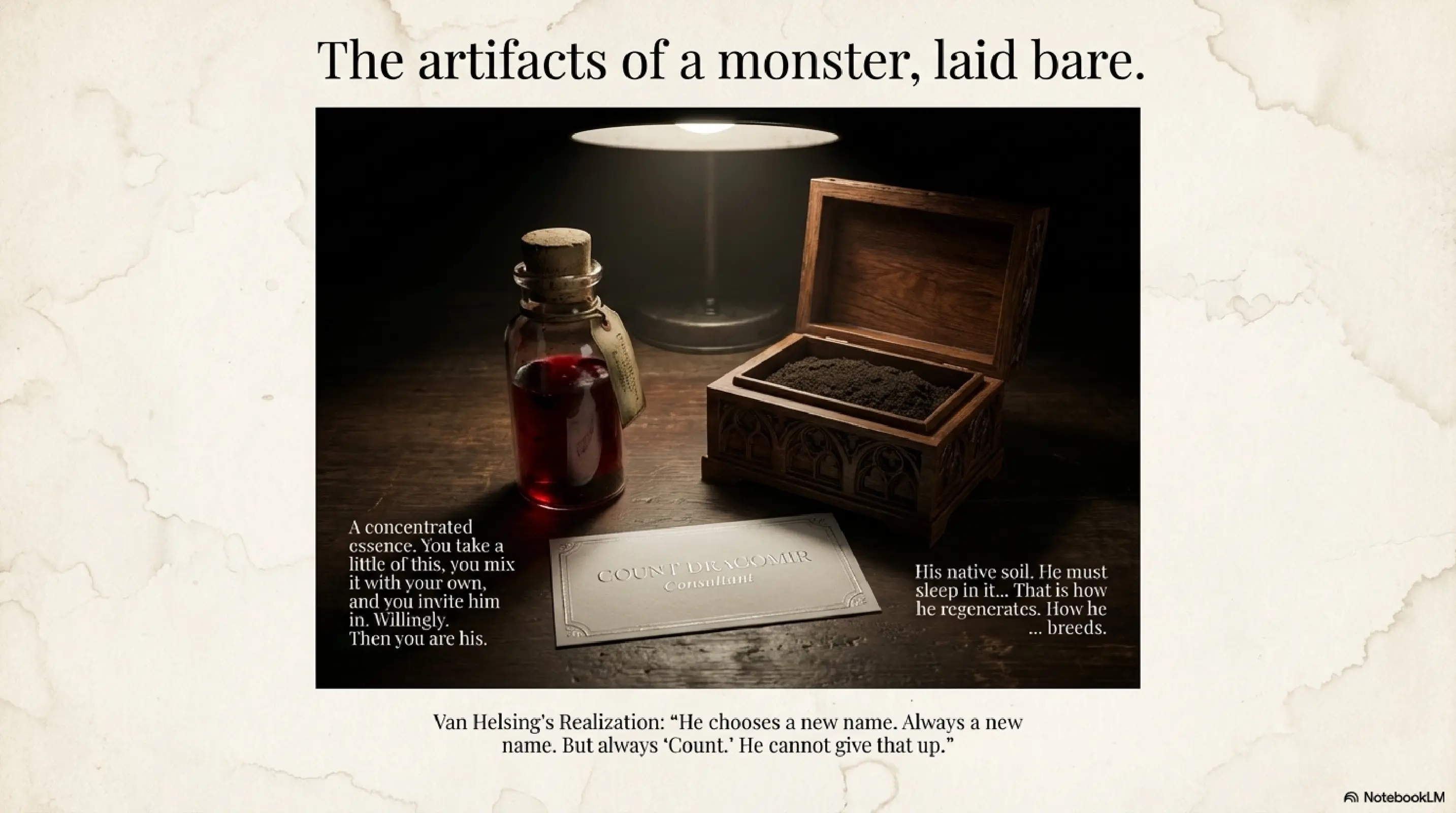
7. The three objects
Laid out on the desk under a single lamp: a small carved wooden box of native earth, a vial of ruby-black essence, and an embossed calling card.
NotebookLM — January 2026
GPT Image 2 — June 2026
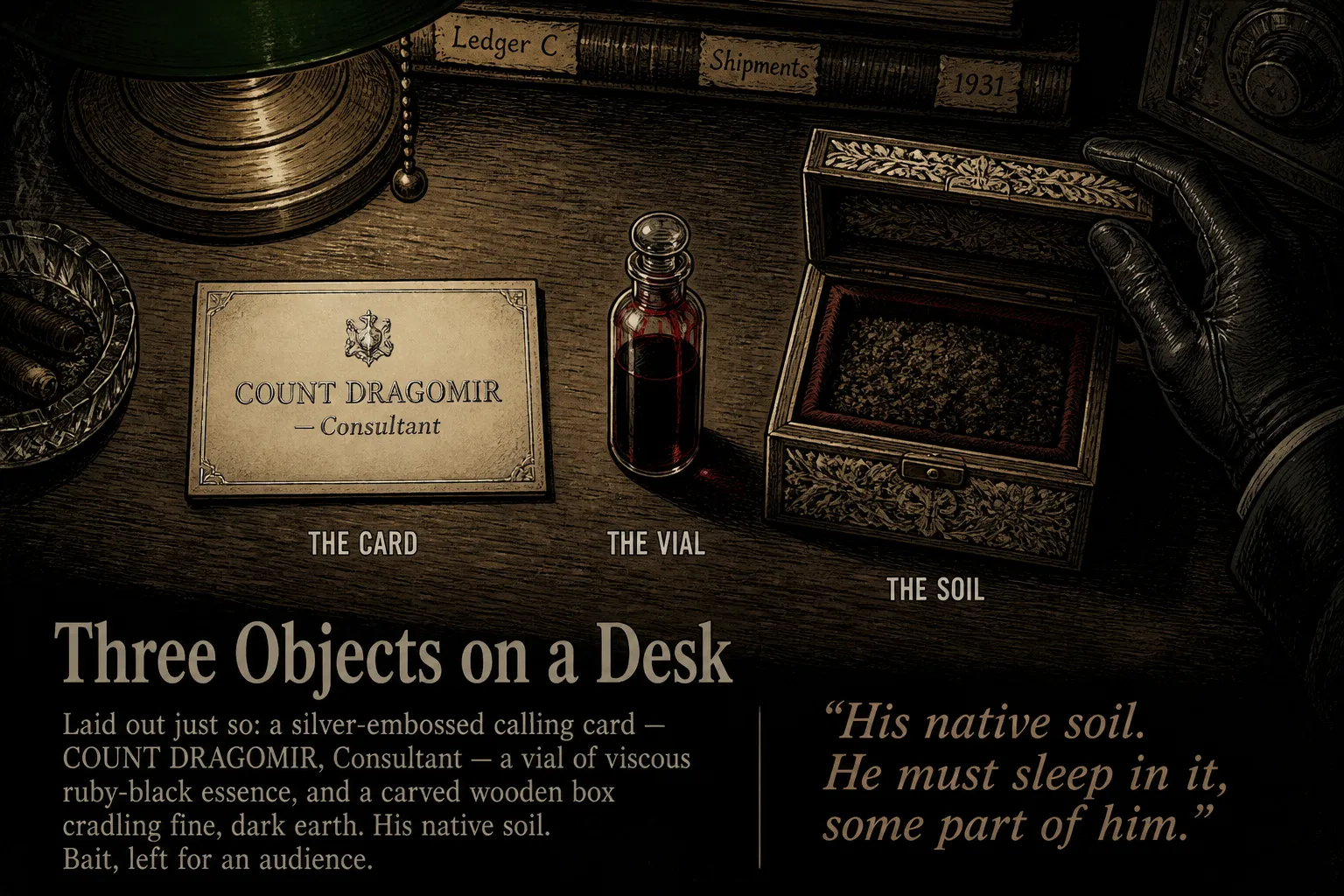
Nearly identical staging: vial, soil box, card. The tell is the lettering — NotebookLM's embossed card blurs into noise, while GPT Image 2 holds COUNT DRAGOMIR, Consultant crisp on the stock.
8. Two slugs, point-blank
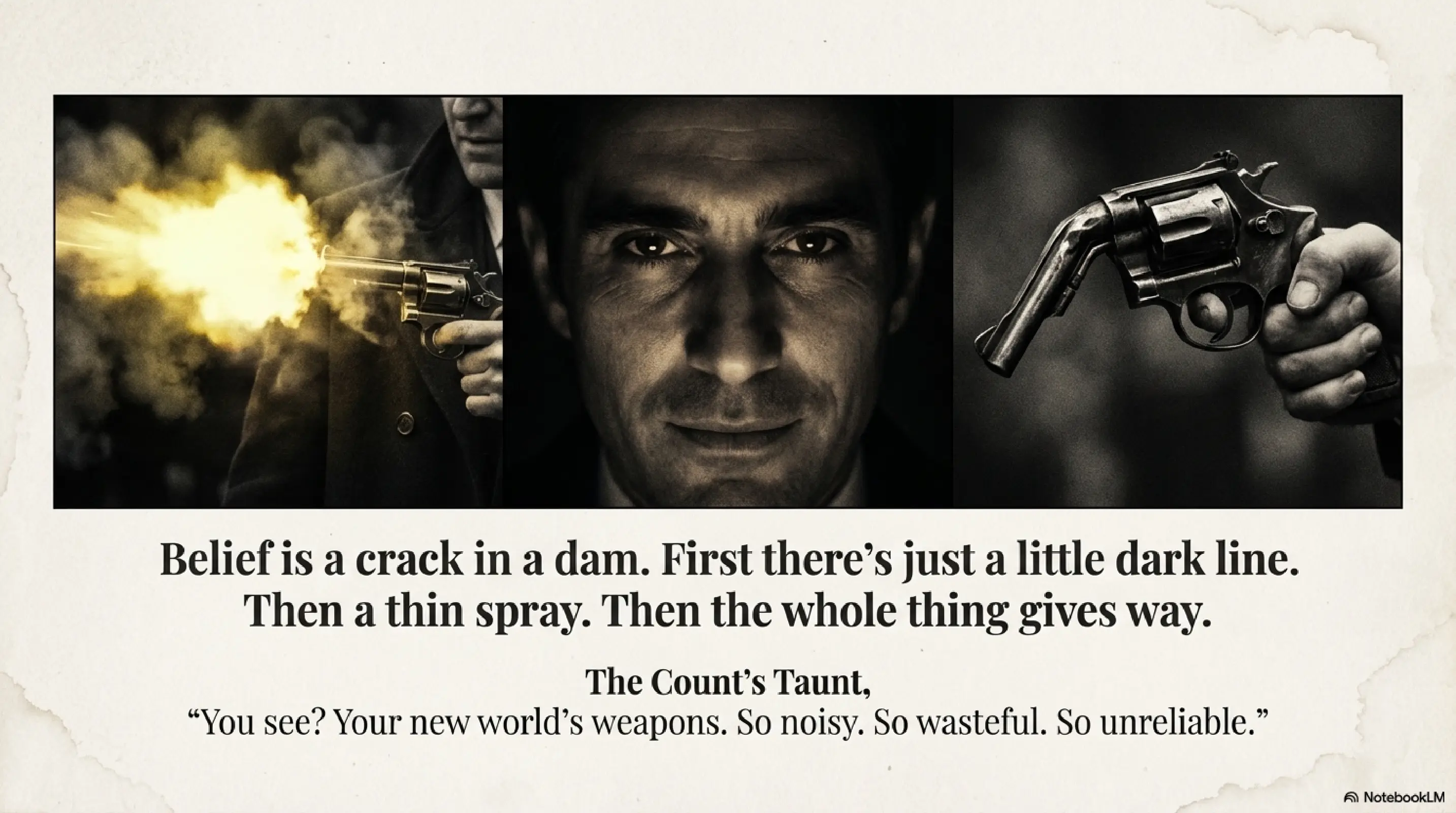
Mallory ambushes the figure in the doorway and empties his .38 into the Count’s ribs — two shots, no hole, no blood — and the Count only laughs.
NotebookLM — January 2026
GPT Image 2 — June 2026
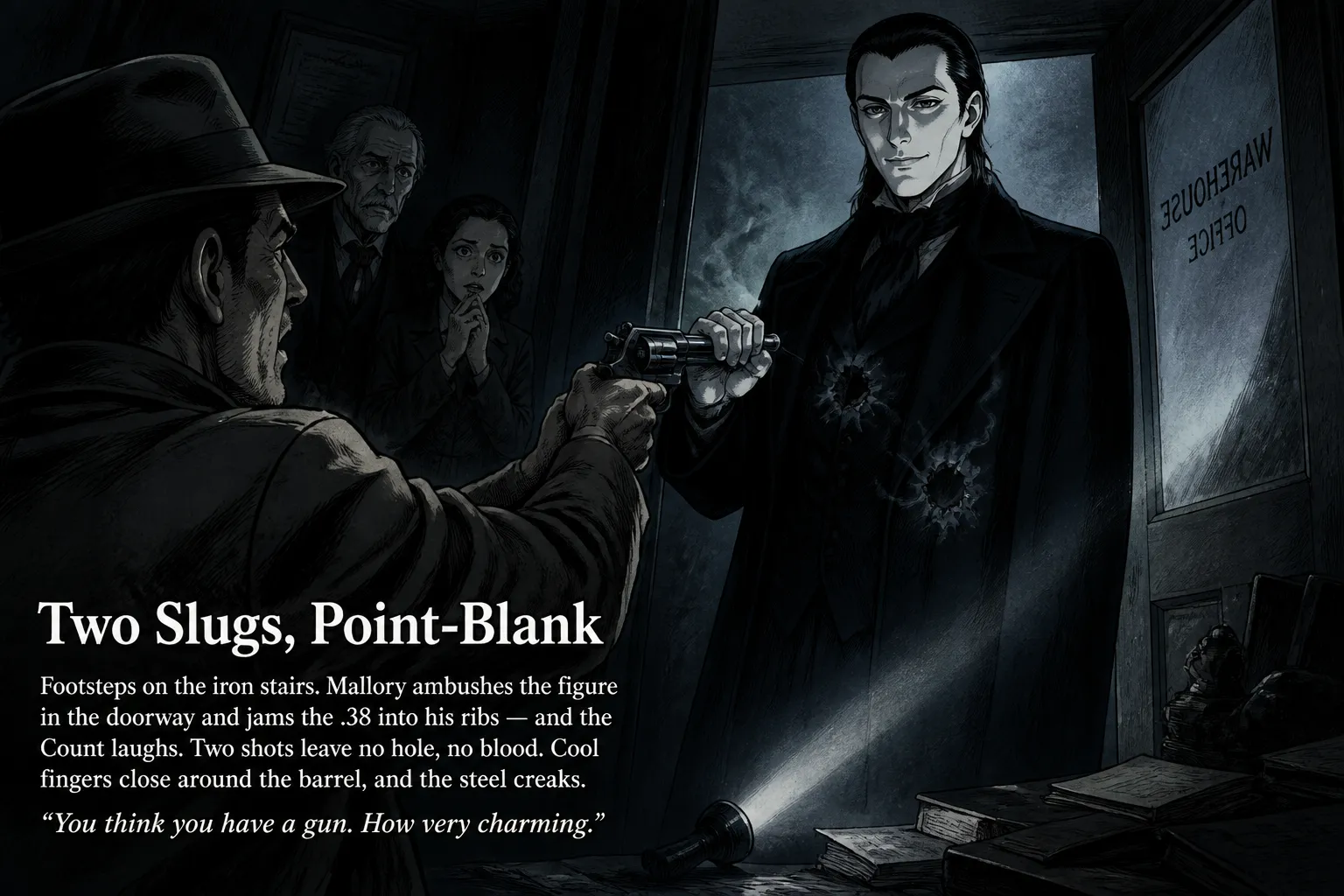
The biggest leap. NotebookLM could only suggest the moment with a triptych — muzzle flash, the Count's face, a bent revolver. GPT Image 2 stages the whole action in one coherent frame: Mallory firing, the Count unbothered, two bullet holes and no blood, the others watching from the dark.
9. The cross still burns
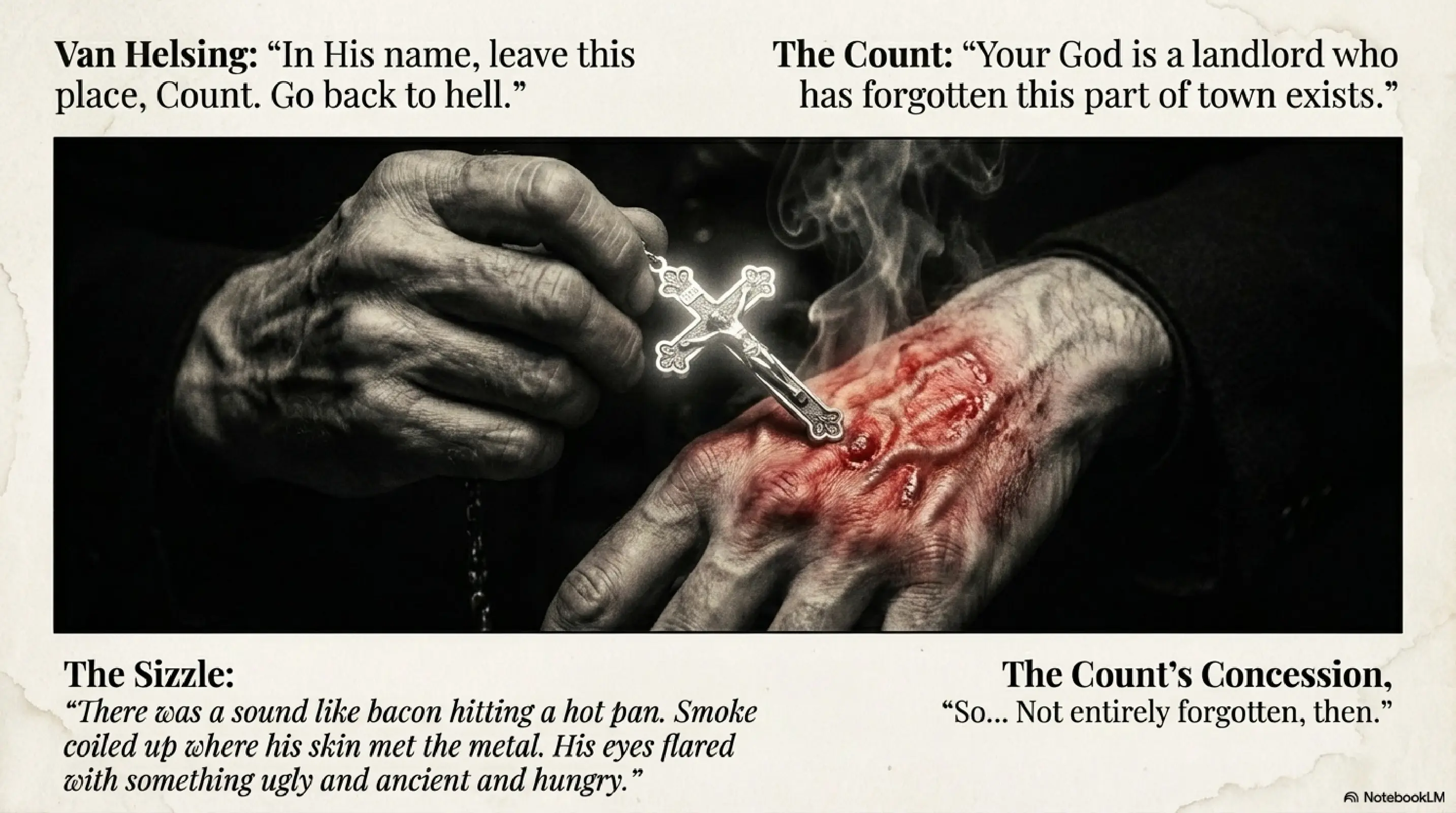
Van Helsing holds out a small silver cross; it sears the Count’s hand, smoke coiling where skin meets metal.
NotebookLM — January 2026
GPT Image 2 — June 2026
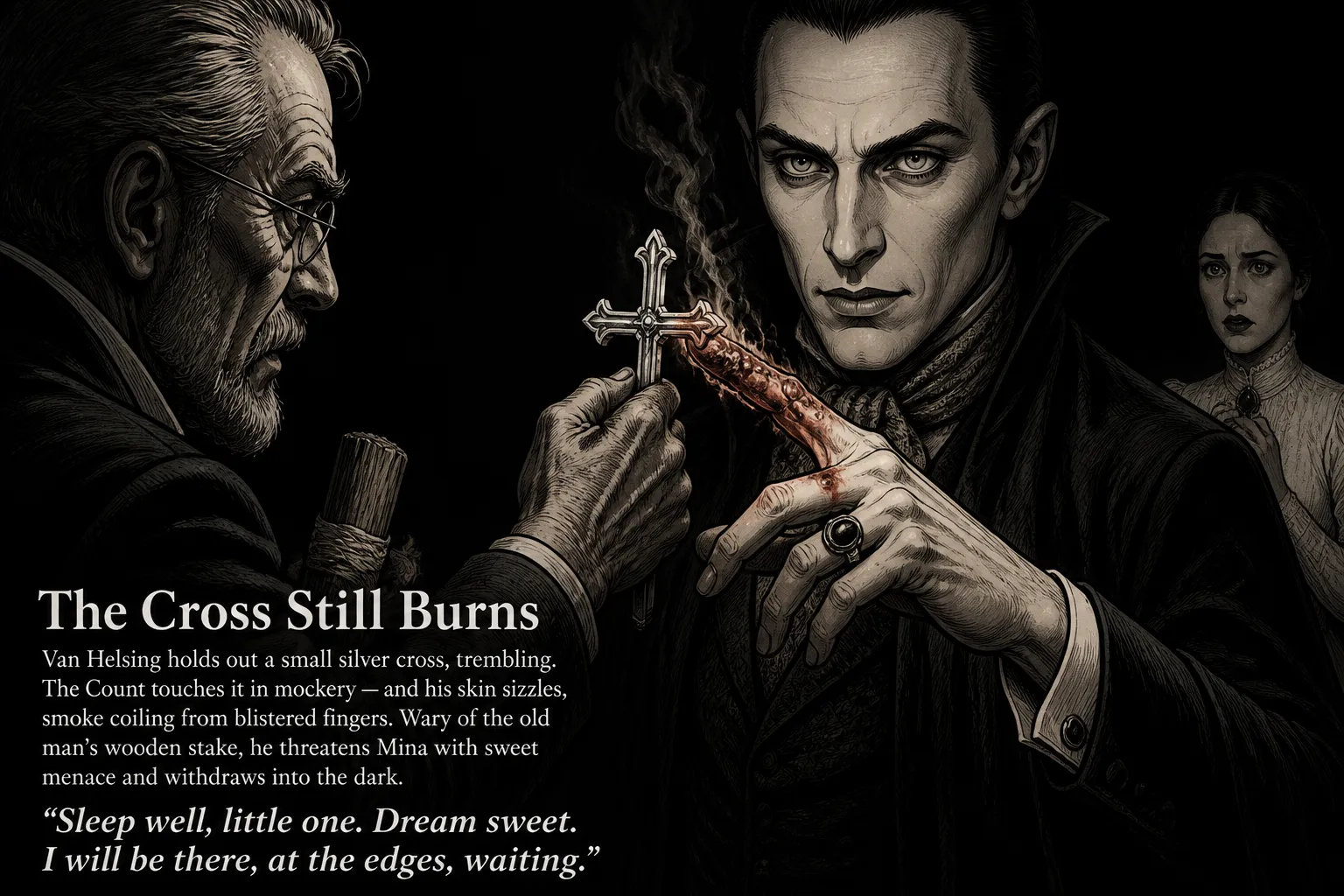
NotebookLM gives a literal close-up of hands, cross, and a blistered wound. GPT Image 2 pulls back to a portrait that holds the Count, Van Helsing, and Mina in one composition without losing the burn.
10. The skeptic hardens
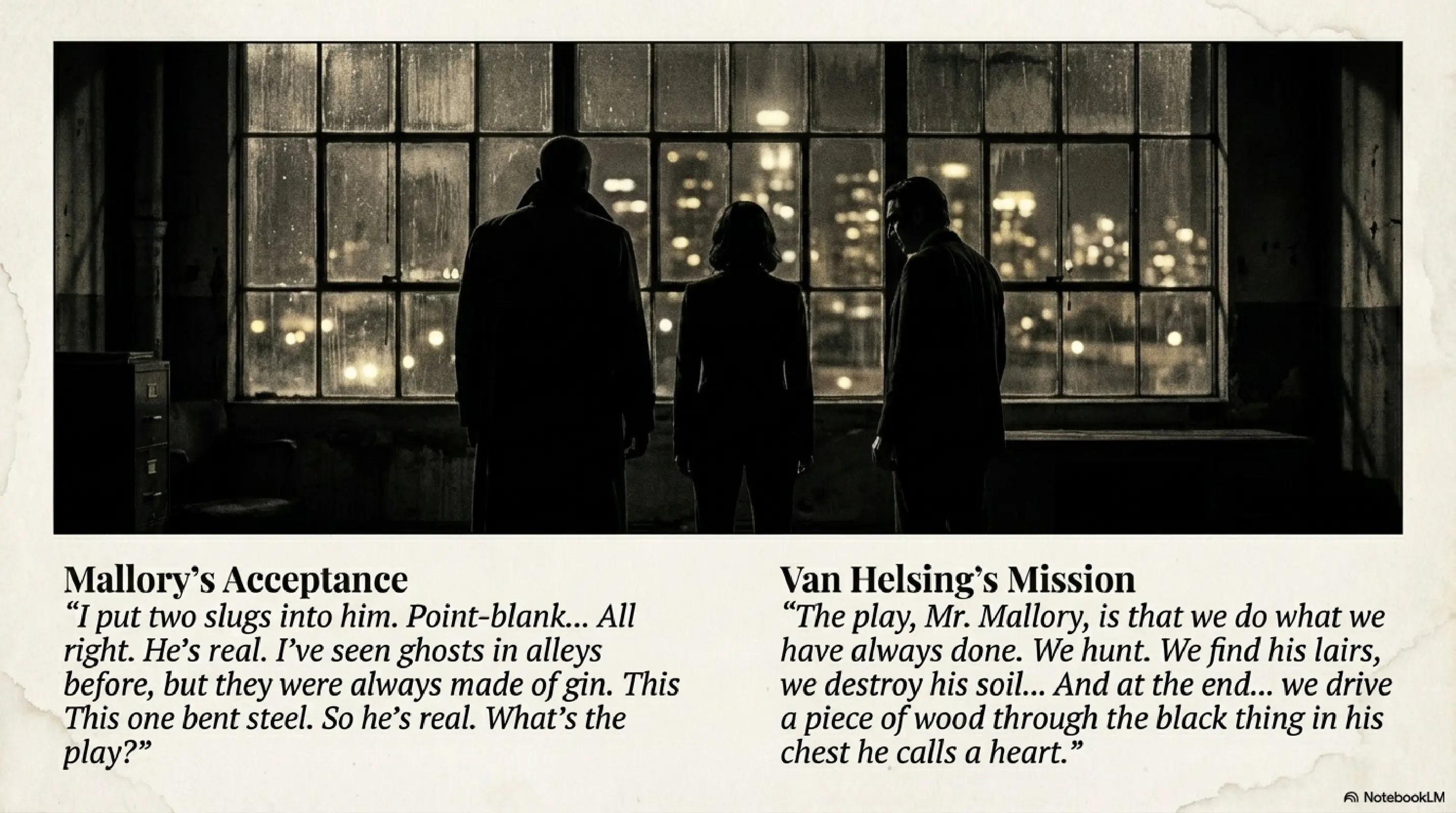
A bent revolver, a smoking welt where silver met skin — the moment skepticism gives way like a cracked dam.
NotebookLM — January 2026
GPT Image 2 — June 2026
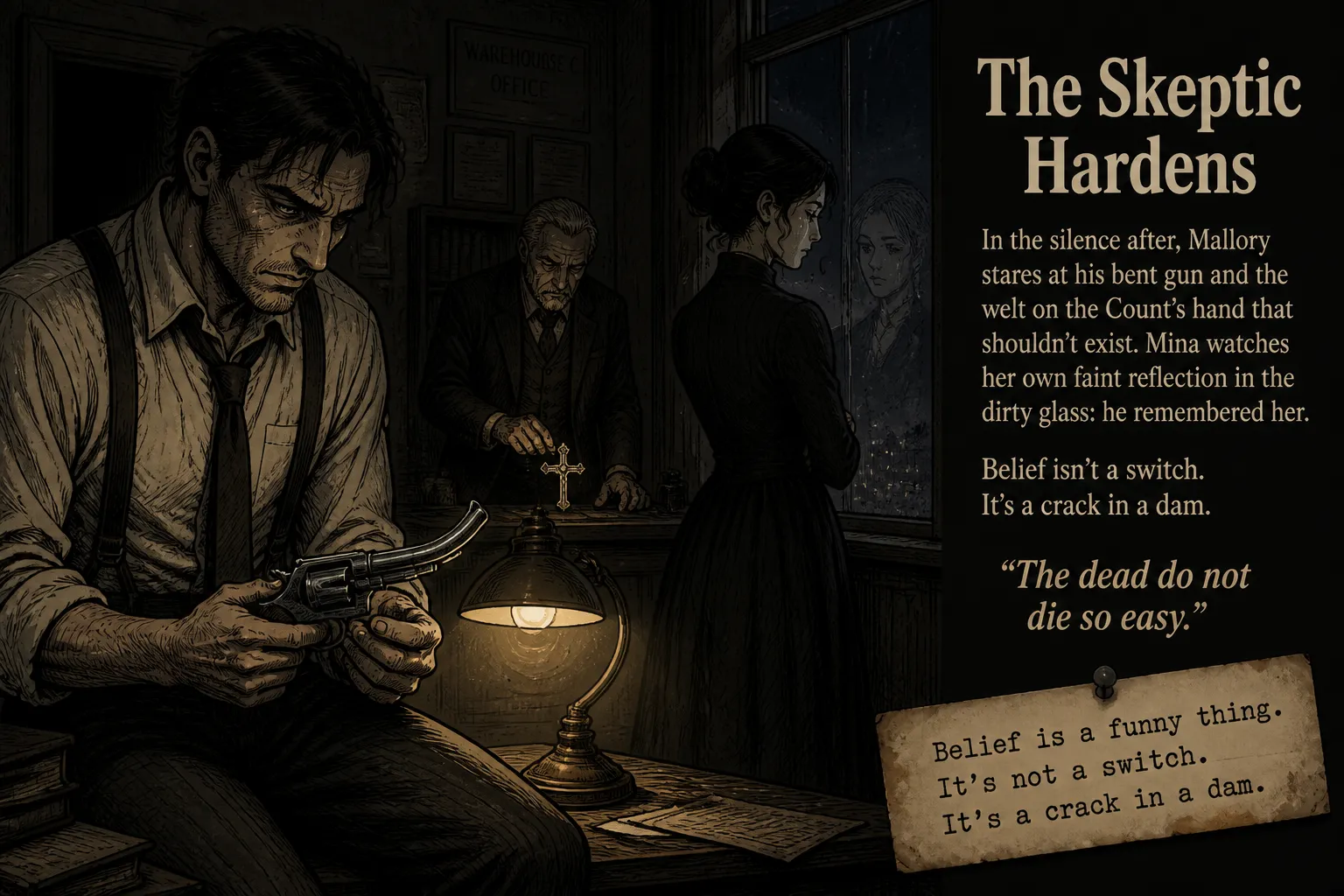
NotebookLM closes the beat with three silhouettes at a window. GPT Image 2 stays on Mallory and the ruined gun in lamplight — “belief is not a switch; it's a crack in a dam.”
11. We start with the dead
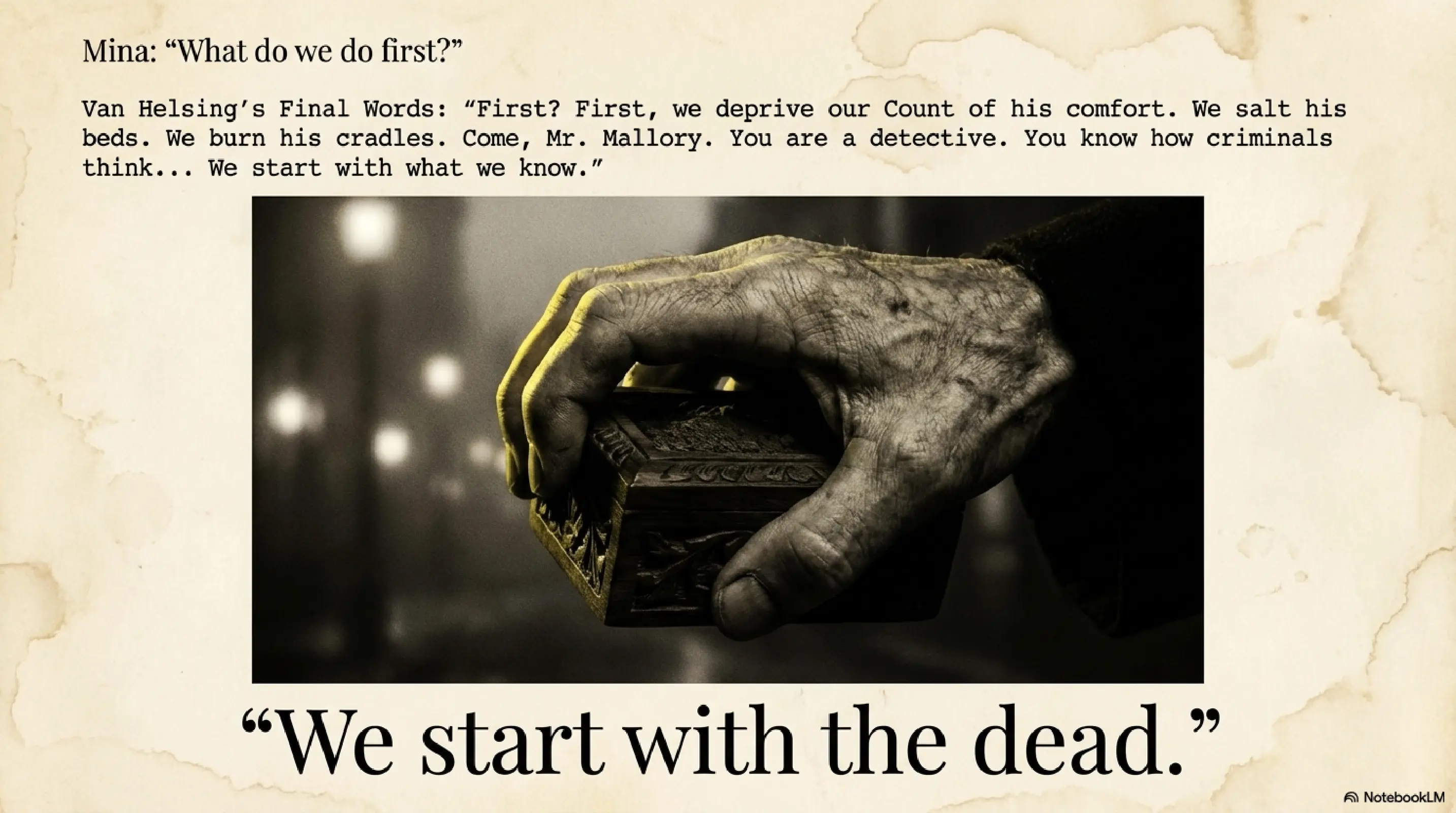
The Count gone, the three of them left with a box of grave-earth and a hunt ahead.
NotebookLM — January 2026
GPT Image 2 — June 2026
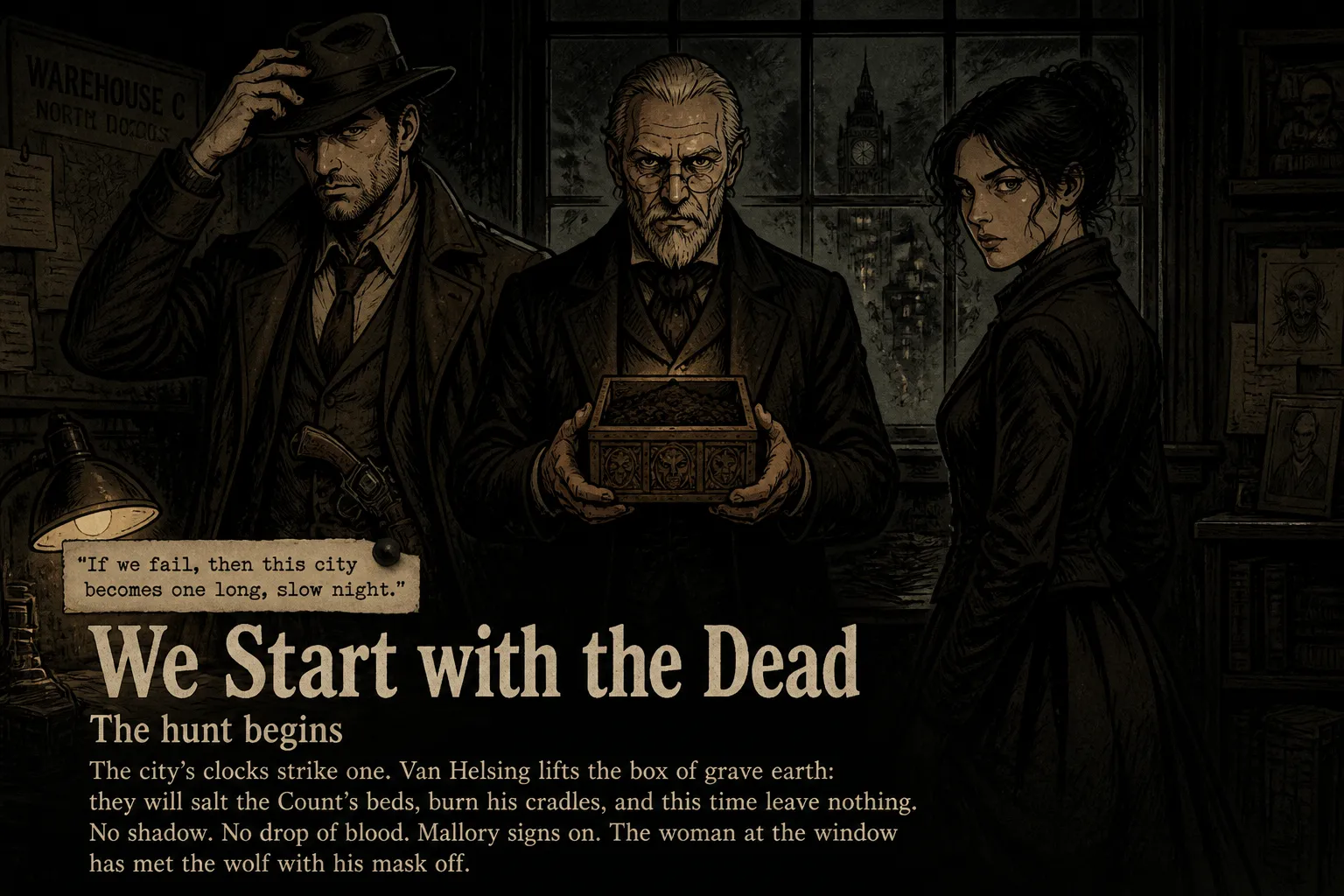
Both end on the box of earth. NotebookLM's is a sepia hand clutching it; GPT Image 2's is the closing panel of an illustrated story — the three of them, the hunt beginning.
What changed in eight months
Set the pipeline choices aside for a moment and look at the image generation on its own. It moved on several fronts:
-
From infographic to illustration. NotebookLM delivered a captioned slide deck: the text carried the story and the picture decorated it. GPT Image 2 delivers something closer to a graphic novel, where the image carries the beat and the words live inside it.
-
Style consistency. NotebookLM mixed media from slide to slide: a photographic alley, a drawn cabin, a stock-photo envelope. GPT Image 2 holds one coherent “1930s gothic noir” look across all twelve panels.
-
Character continuity. Mallory’s face and hat, Mina, the gaunt Van Helsing, the slick Count all read as recognizably the same people from panel to panel. Eight months ago that was the hard part, and NotebookLM mostly sidestepped it by avoiding recurring close-ups.
-
Text inside the image. GPT Image 2 bakes in titles, pull-quotes, and diegetic text — crate stencils, the business card, Latin book spines — and most of it is legible. NotebookLM kept narration outside the frame precisely because in-image text wasn’t reliable then. The new model still isn’t perfect: small background stencils garble (“CDYWRE POLAND”).
-
Composition and action. The shooting scene is the clearest tell. NotebookLM fell back on a symbolic triptych because it couldn’t stage a coherent multi-figure action shot. GPT Image 2 puts the shooter, the unharmed Count, the bullet holes, the absent blood, and the onlookers into one readable frame.
-
Structure. Polyptych reorganized fourteen caption-slides into twelve panels, merging beats: the deaths into the letter; the history, photos, and card into the professor. Fewer images, denser, more cinematic.
Most of the leap is the image model, but not all of it. The merged beats and the in-frame typography are decisions Polyptych makes, and they are worth making now precisely because the model finally renders them well.
P.S. The original images were created with NotebookLM in late 2025; the new ones with GPT Image 2 in June 2026, via Polyptych (text, layout, image prompts, and deck structure by Claude Opus 4.8). The story itself is unchanged: written by GPT 5.1 with high reasoning effort in January 2026.
Wrought by a language model · Lightly edited · Always credited
Experiments · comparison · image-generation · notebooklm · polyptych
Jörn Dinkla · 6 · 13 · 26