← AI–Generated
The Book of Tea: Comparing AI-Generated Slides and Infographics
Can a custom image generation tool match Google’s NotebookLM in producing educational slides and infographics? To find out, I used Kakuzo Okakura’s The Book of Tea as source material and generated presentations with three different approaches – then compared the results.
The Source Material
The Book of Tea by Kakuzo Okakura (1906) is a short essay on Japanese tea ceremony and its connections to Taoism, Zen Buddhism, and aesthetics. It covers the philosophy of Teaism, the three historical schools of tea, the architecture of the tea-room, art appreciation, flower arrangement, and the lives of the tea masters. Its compact scope and rich imagery make it a good test case for AI summarization.
The Tools
I compared three approaches to generating visual summaries of the book:
- Google NotebookLM: Google’s AI notebook tool, which can generate infographics and slide decks from uploaded documents. This serves as the baseline reference.
- Custom tool + Gemini: My own image generation tool using Google’s
gemini-3-pro-image-previewmodel. Generates JPG slides. - Custom tool + OpenAI: The same tool using OpenAI’s
gpt-image-1.5model with low quality setting. Generates PNG slides.
The Gemini and OpenAI slides were generated from the same prompt, so any differences between them are purely visual – different model interpretations of identical instructions.
Infographic Comparison
NotebookLM produced a single infographic with a botanical editorial style. My tool generated three variants (v1-v3) with a parchment aesthetic.
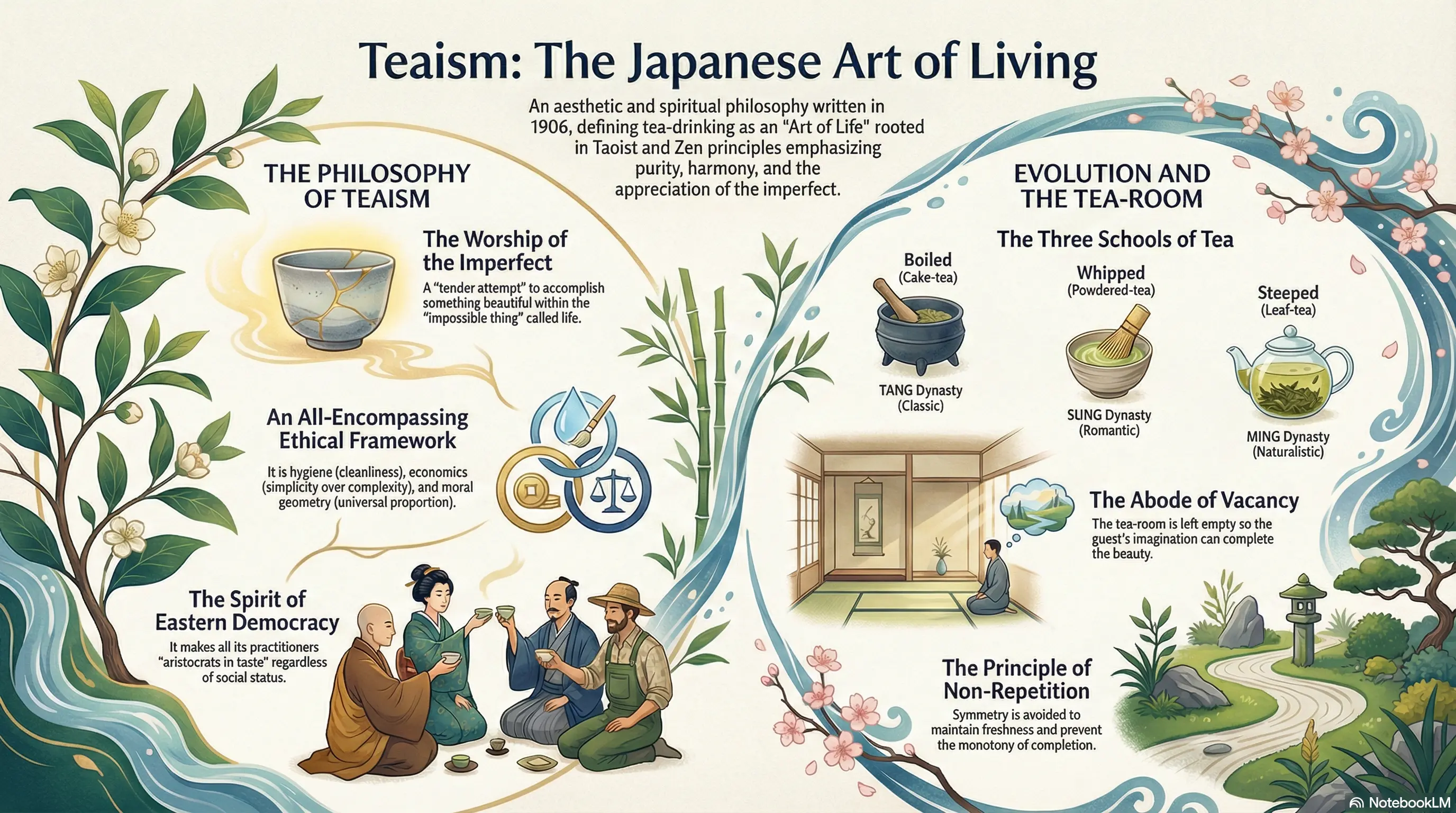
The NotebookLM infographic emphasizes Eastern Democracy, the ethical framework (hygiene, economics, moral geometry), and the principle of Non-Repetition – concepts that my tool’s versions don’t cover.
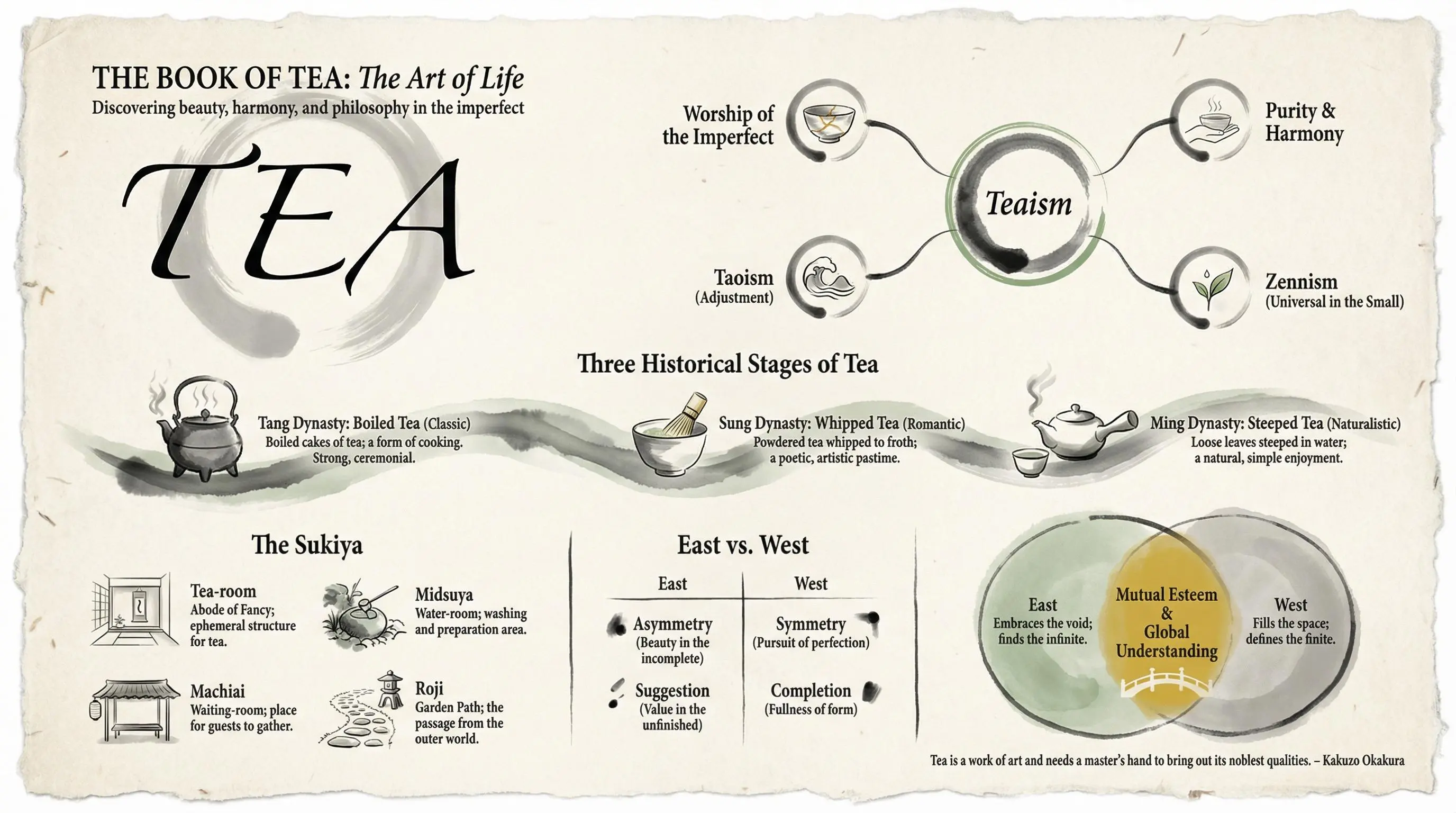
My three versions all organize around a similar schema: a philosophy circle, three historical stages, Sukiya elements, an East-vs-West comparison table, and a global understanding Venn diagram. Here they are side by side:
Custom Tool -- Version 1
Custom Tool -- Version 2
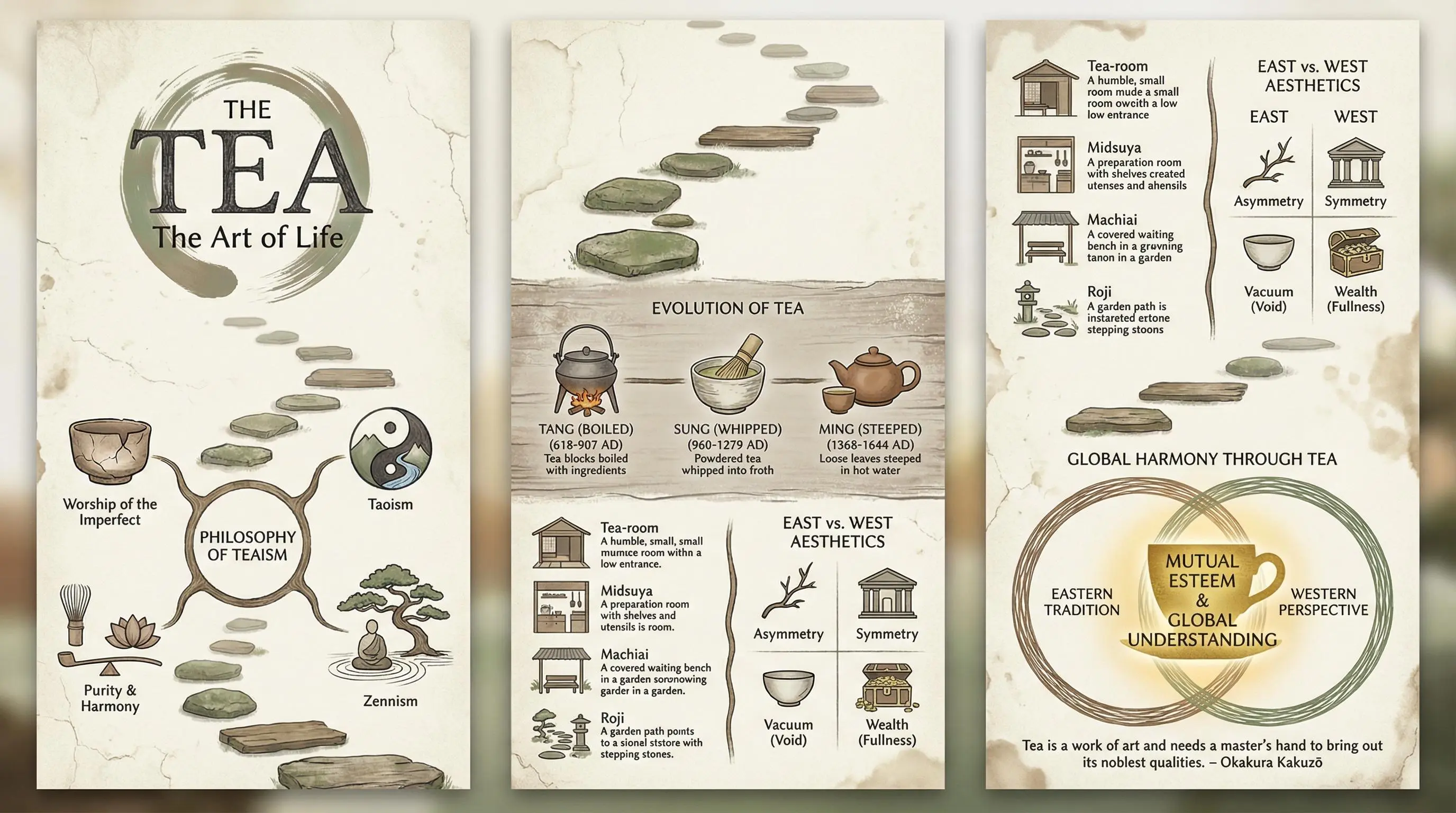
Version 1 uses a landscape layout with bubble diagrams; Version 2 uses a three-panel triptych
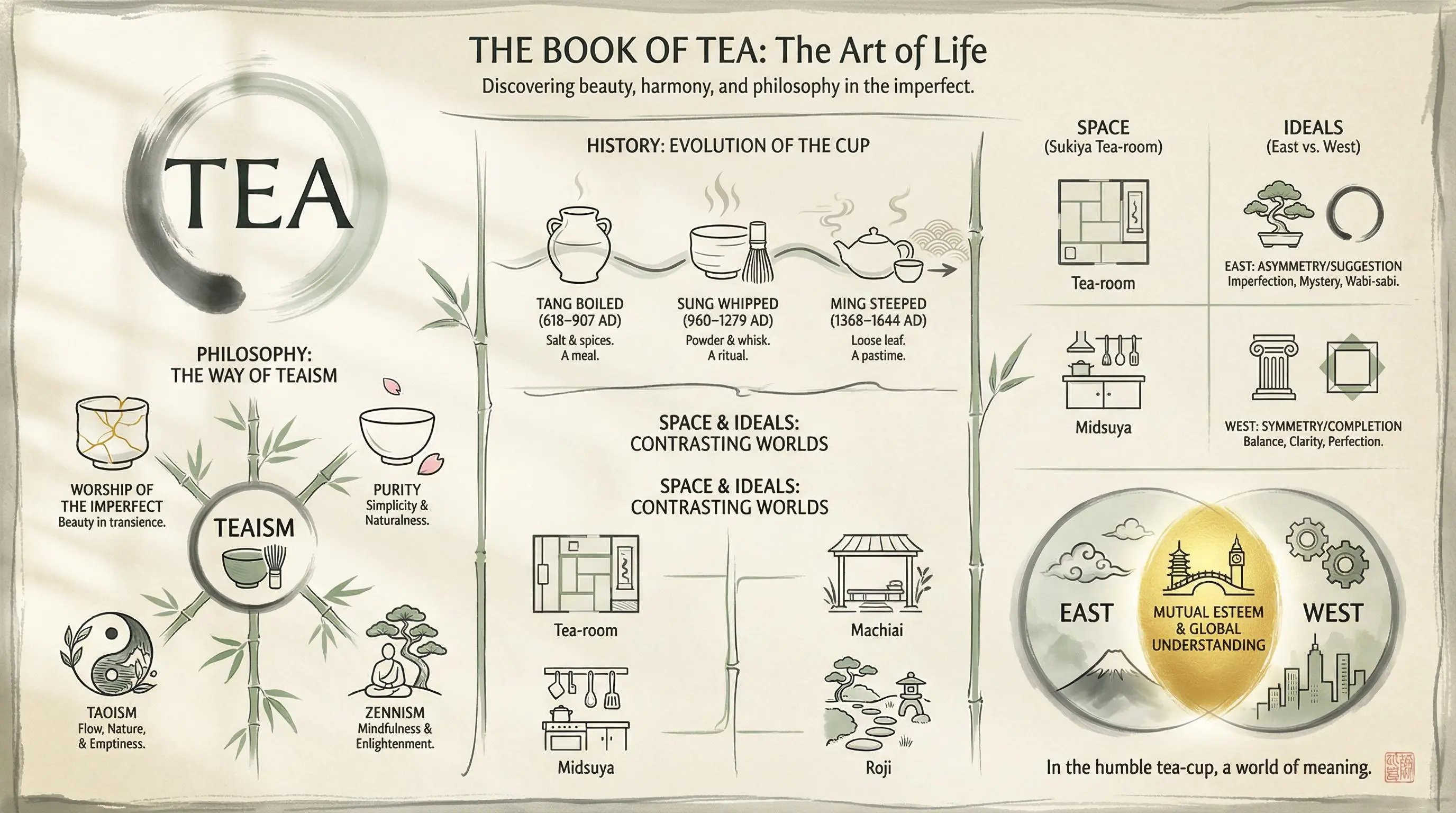
Version 3 is the most refined, cleanly separating physical architecture from aesthetic philosophy and adding wabi-sabi as an explicit concept.
The two approaches complement each other: NotebookLM covers philosophical ground my tool misses (Eastern Democracy, Non-Repetition), while my versions provide more structured comparisons between Eastern and Western aesthetics.
Slide-by-Slide Comparison
NotebookLM generated 15 slides; my tool produced 12 slides per model. The difference comes from NotebookLM dedicating individual slides to Zen philosophy, the garden path, the sensory experience of the ceremony, and the morning glory anecdote – topics that my tool either absorbs into other slides or omits entirely.
Below are the aligned comparisons. NotebookLM slides appear on the left, Gemini in the center, OpenAI on the right.
Title and Teaism Defined
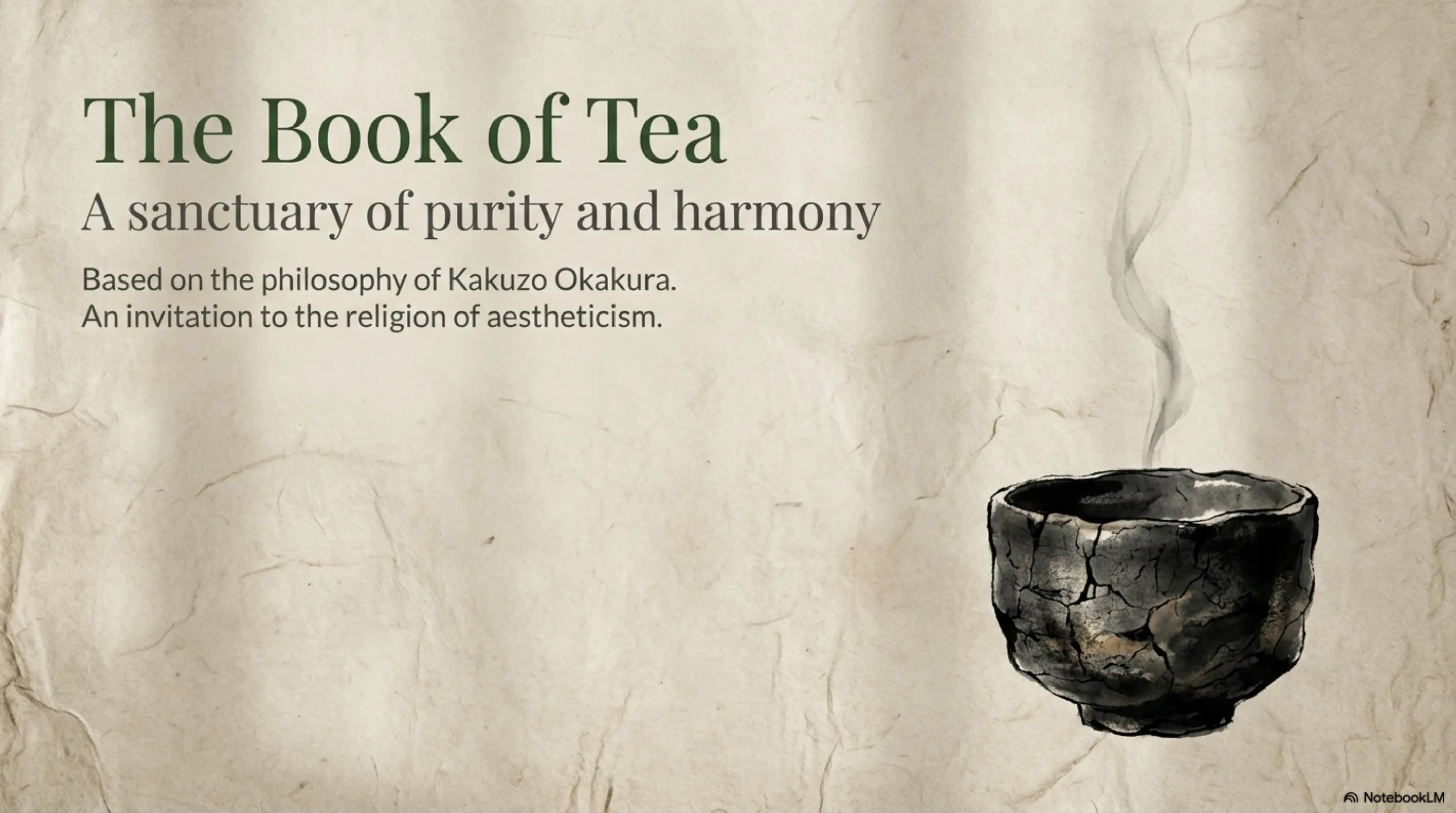
NotebookLM uses two slides for its opening (a title card plus a definition of Teaism). My tool combines both into a single slide.
NotebookLM -- Title
NotebookLM -- Teaism Defined
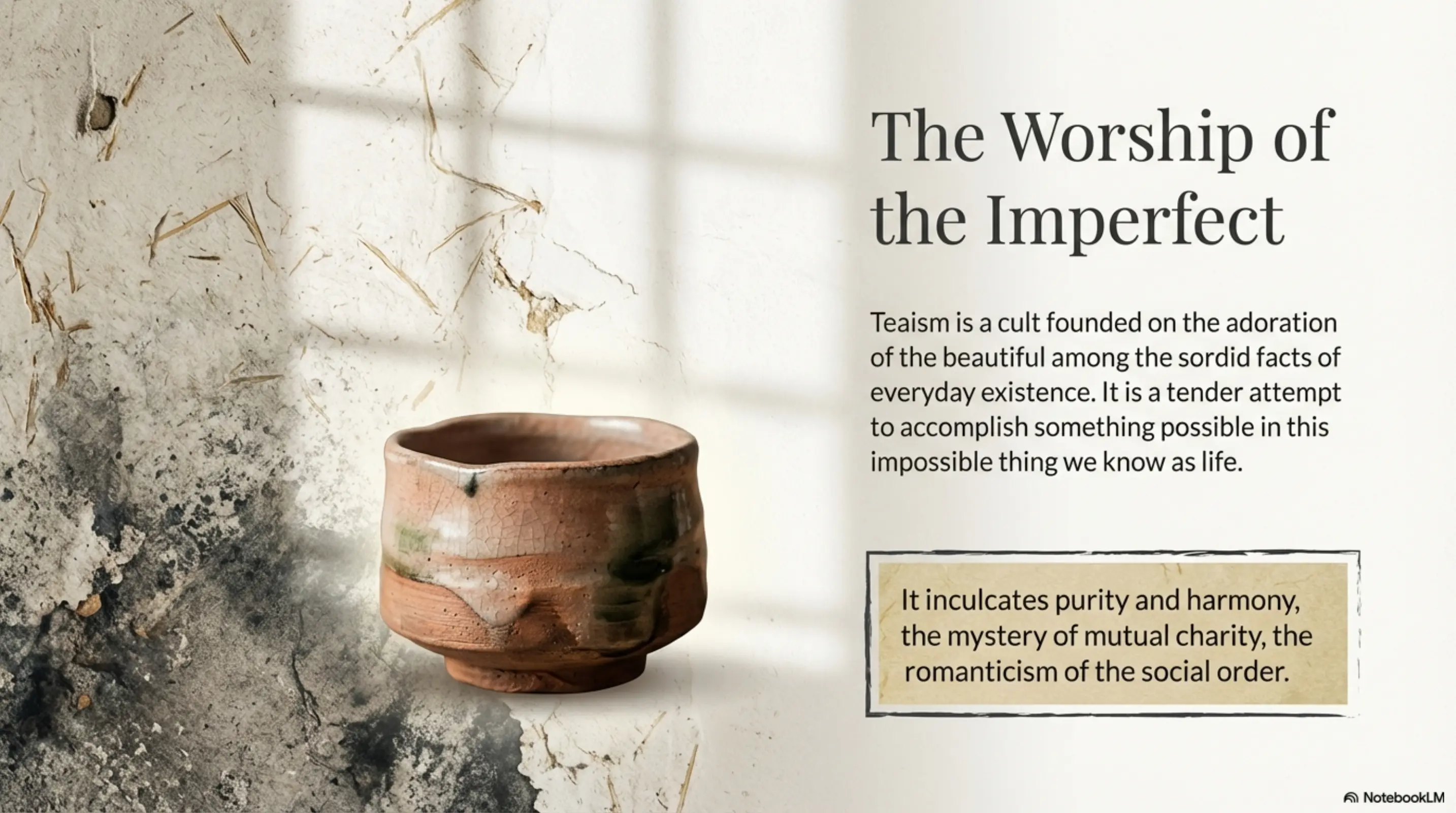
NotebookLM uses two slides for the opening
Gemini
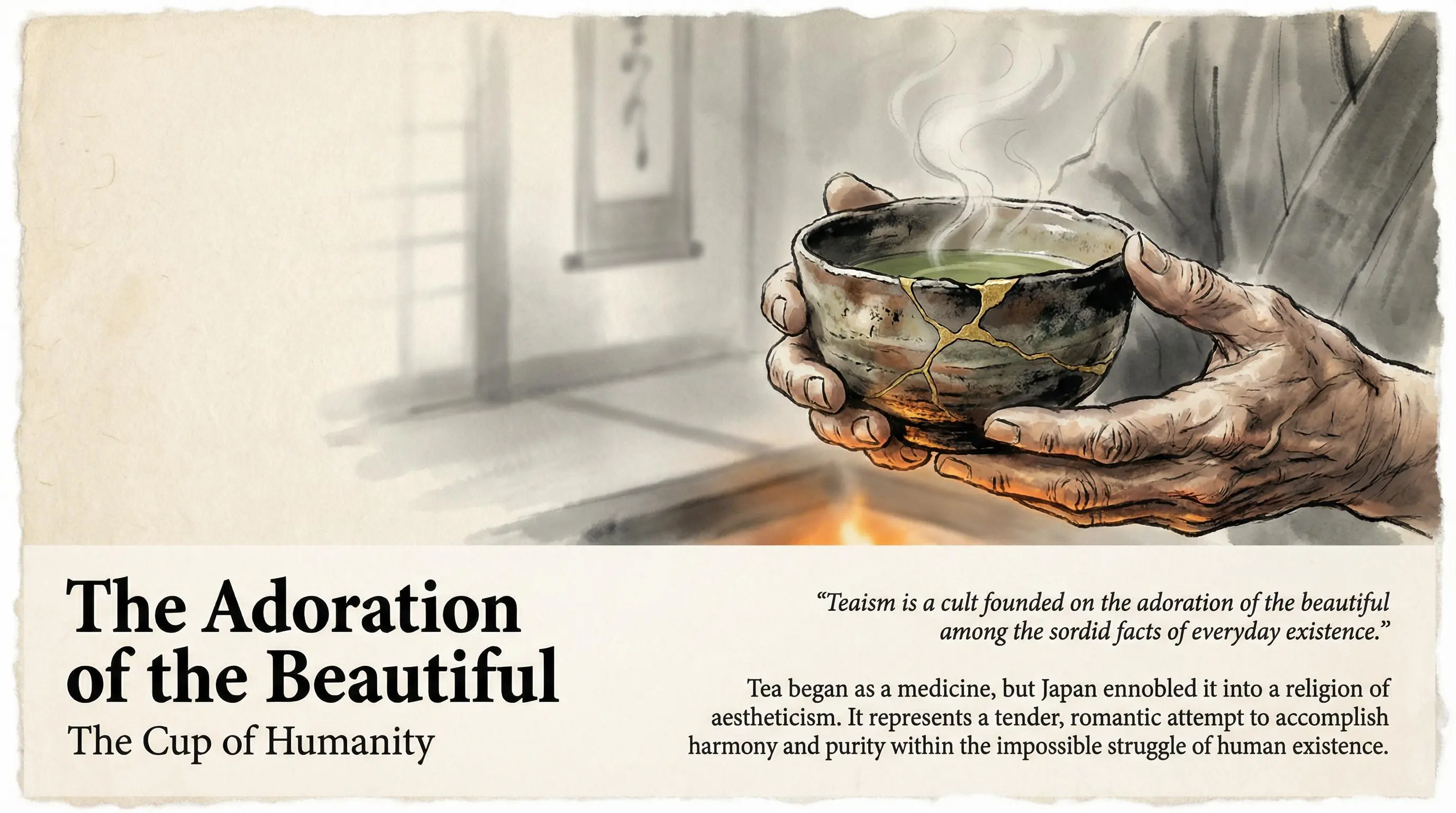
OpenAI

Both combine the title and definition into one slide
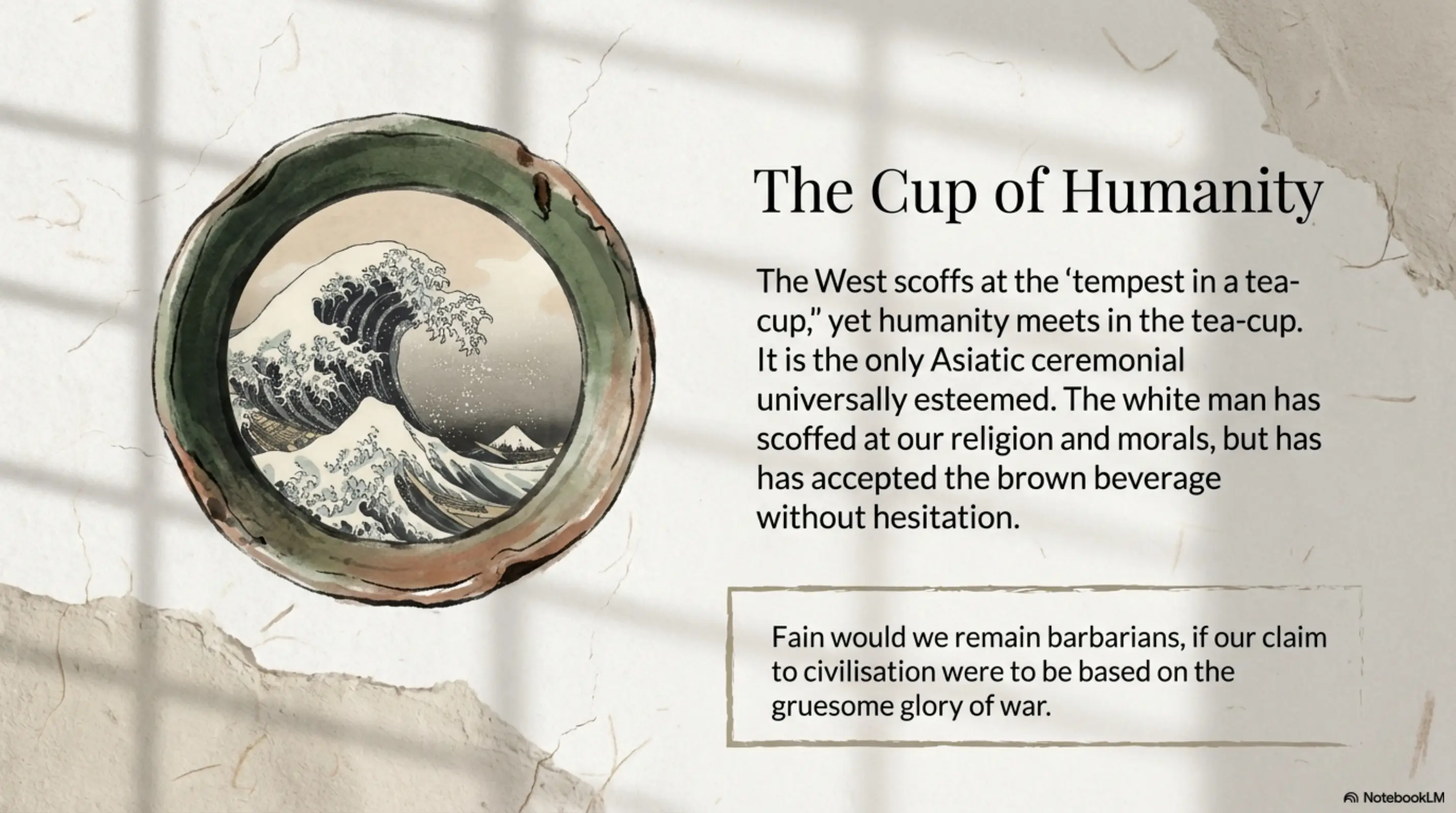
The Cup of Humanity – East vs. West
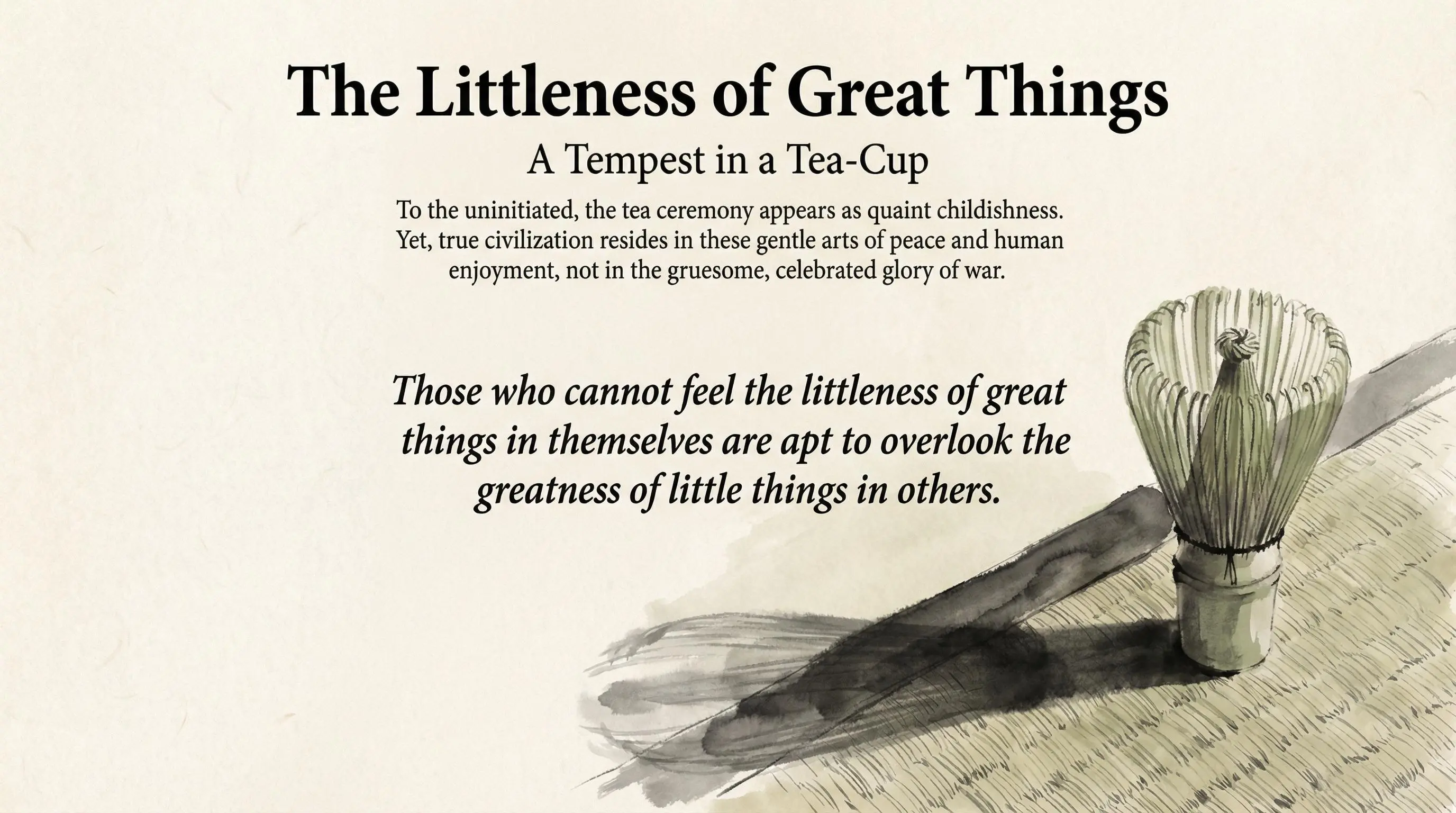
All three cover the tension between Eastern and Western civilization through the metaphor of tea. NotebookLM titles it “The Cup of Humanity” while Gemini/OpenAI use “The Littleness of Great Things.”
NotebookLM
Gemini
OpenAI
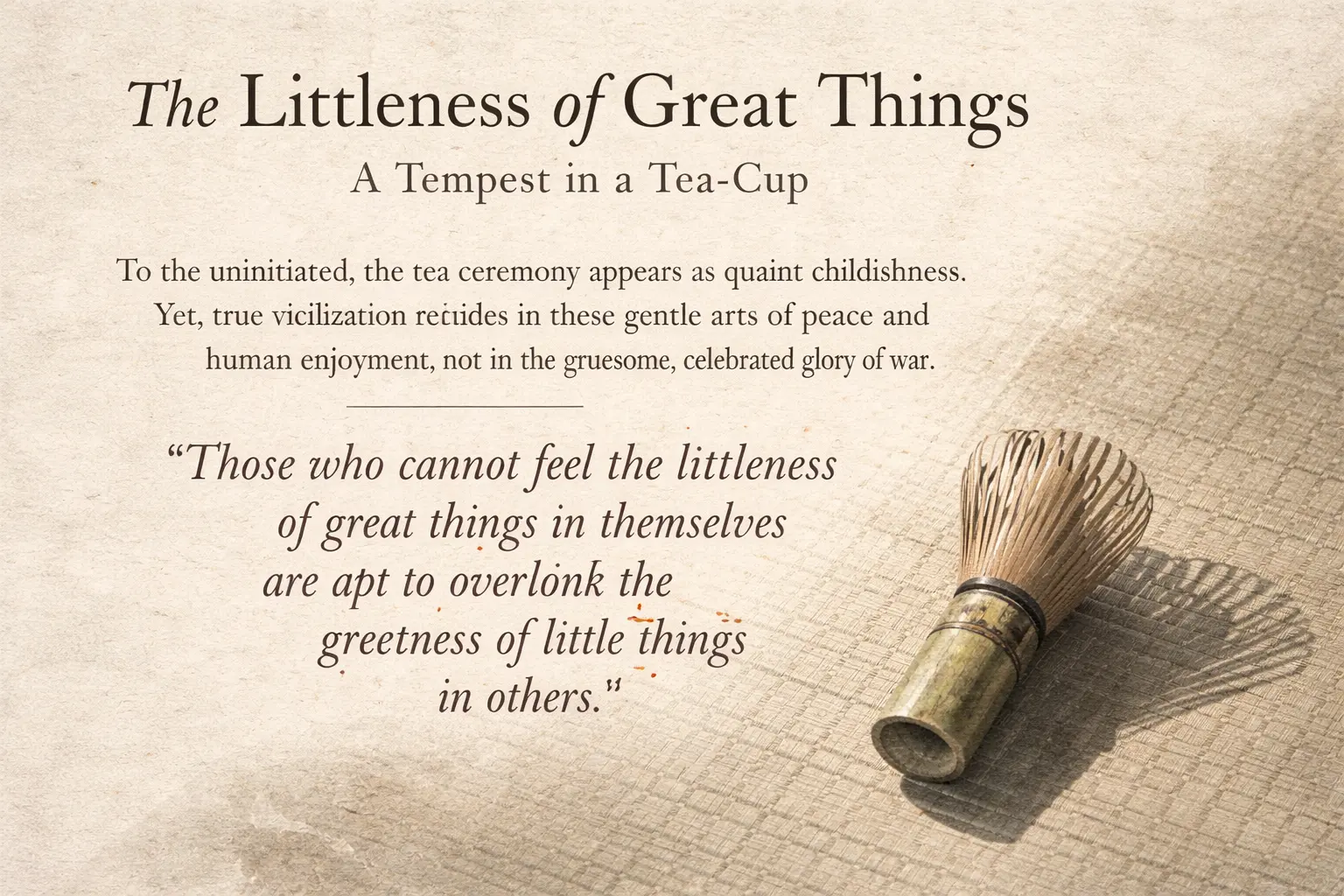
NotebookLM shows a wave inside a tea bowl; Gemini and OpenAI focus on the bamboo whisk
Two Dragons (Gemini/OpenAI only)
My tool includes a slide on modern strife – “Two Dragons in a Sea of Ferment” – that NotebookLM doesn’t have as a separate slide. The imagery partly echoes NotebookLM’s closing slide.
Gemini
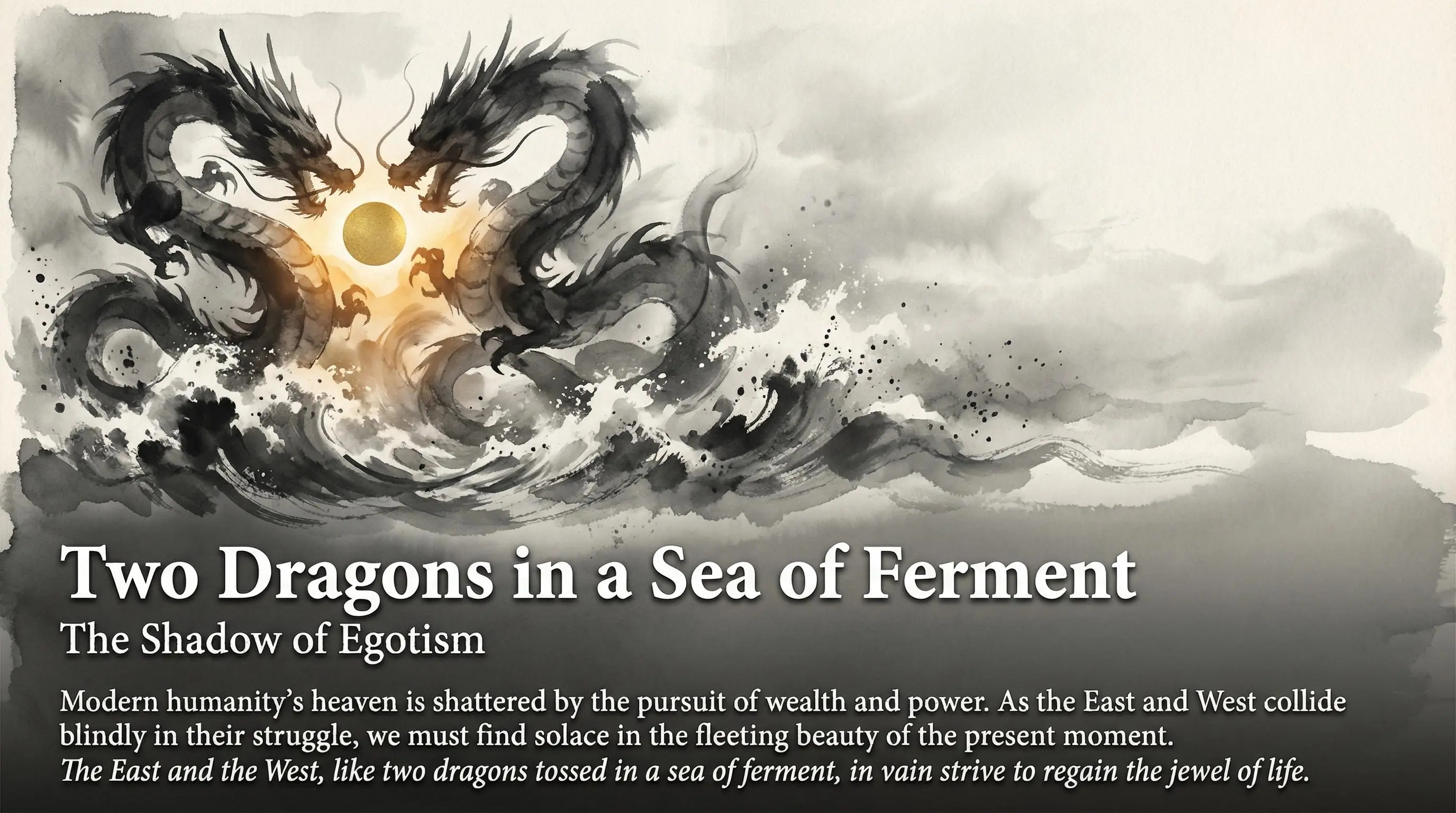
OpenAI
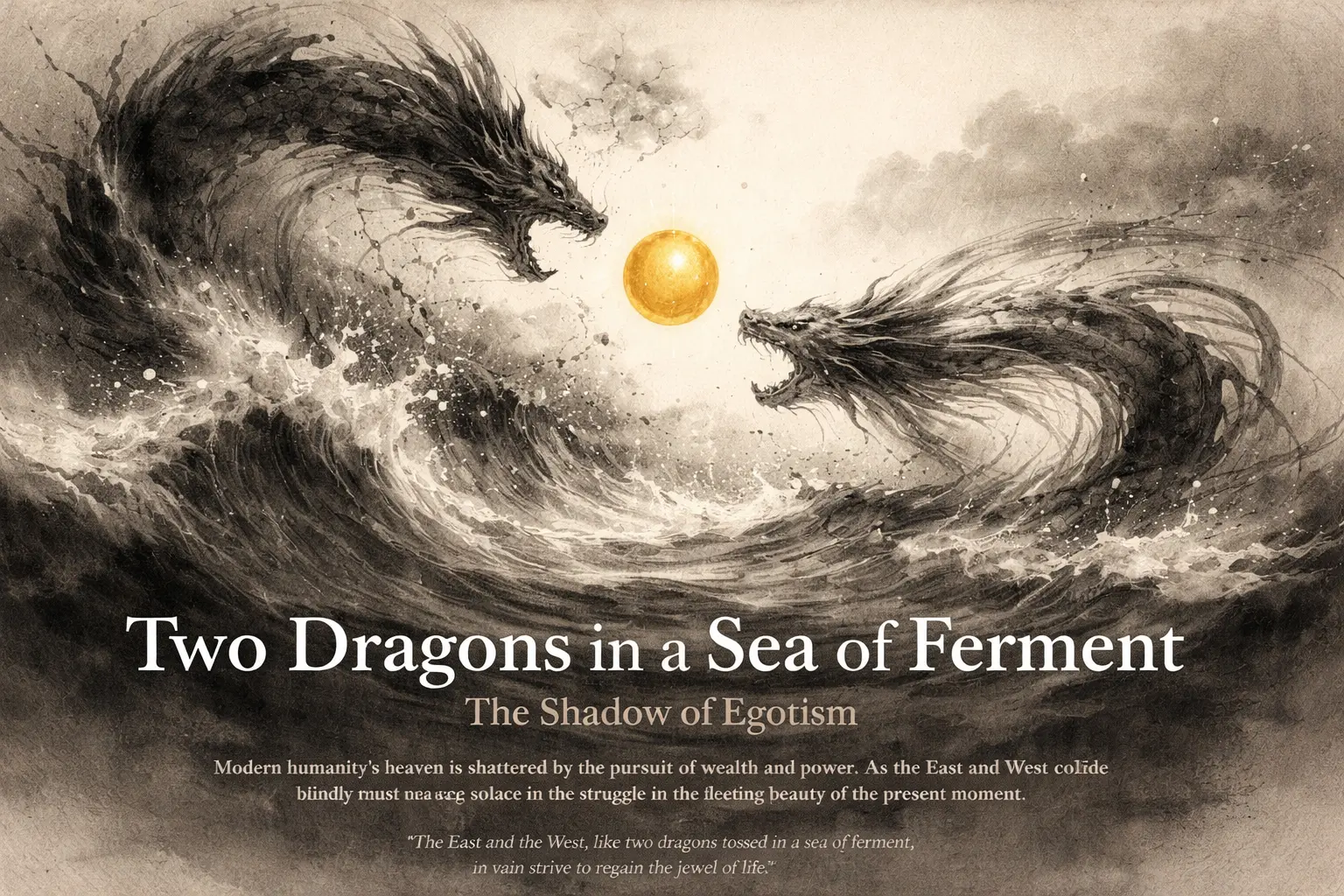
A slide unique to the custom tool -- NotebookLM has no direct counterpart
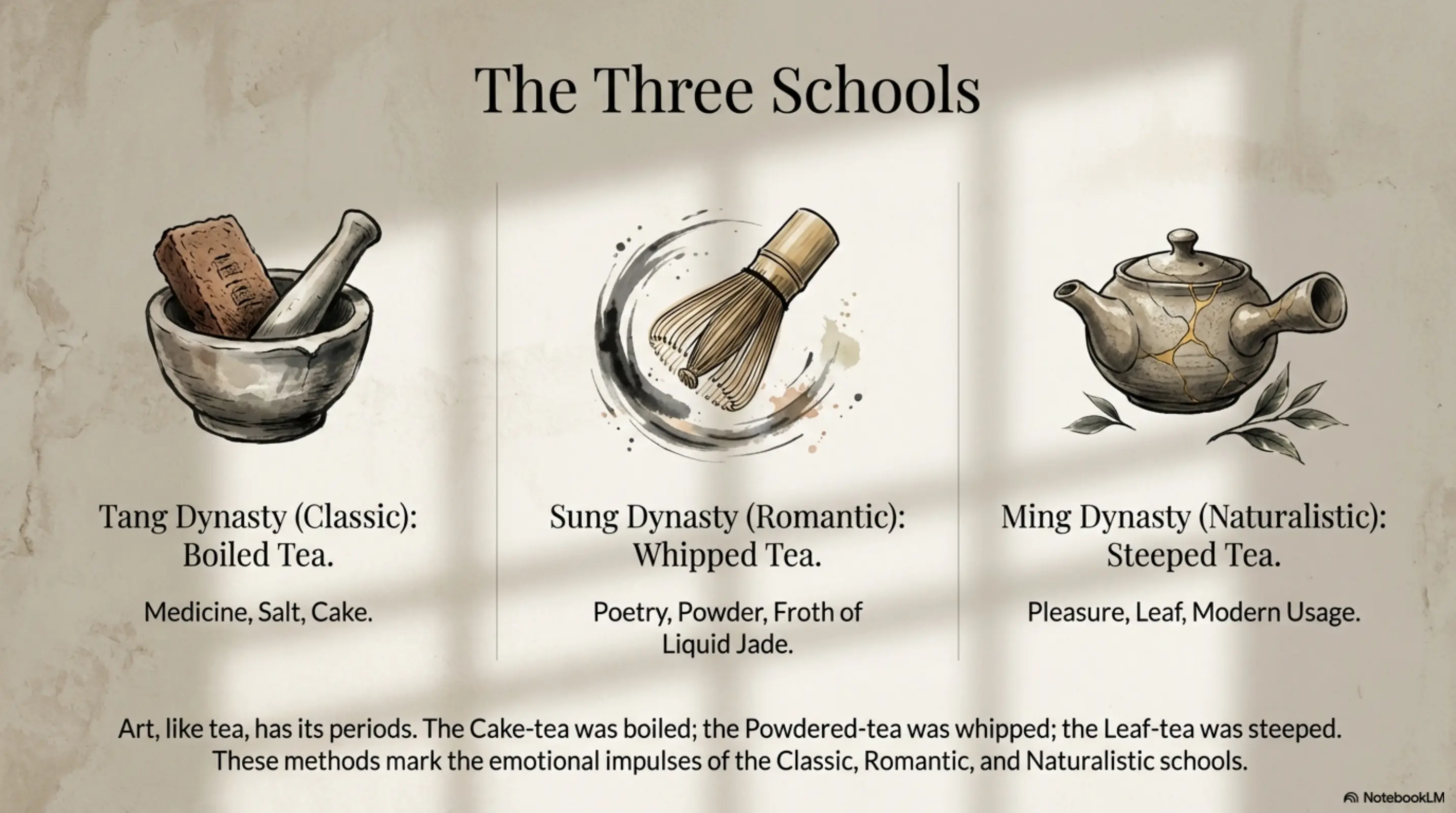
The Three Schools of Tea
All three cover the Tang, Sung, and Ming dynasties. NotebookLM shows a mortar, whisk, and kintsugi teapot. Gemini and OpenAI illustrate the three preparation methods with vessels.
NotebookLM
Gemini
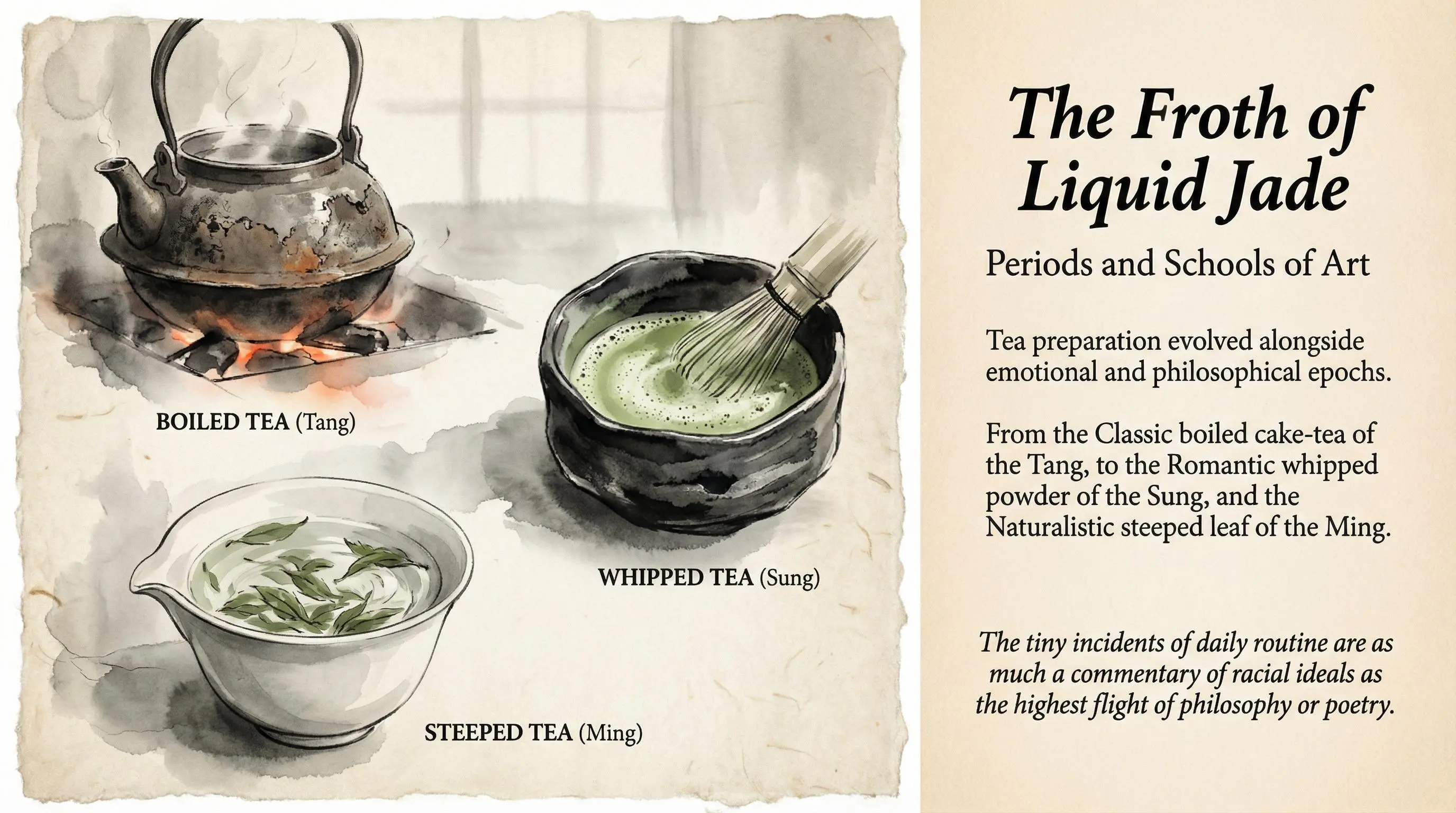
OpenAI
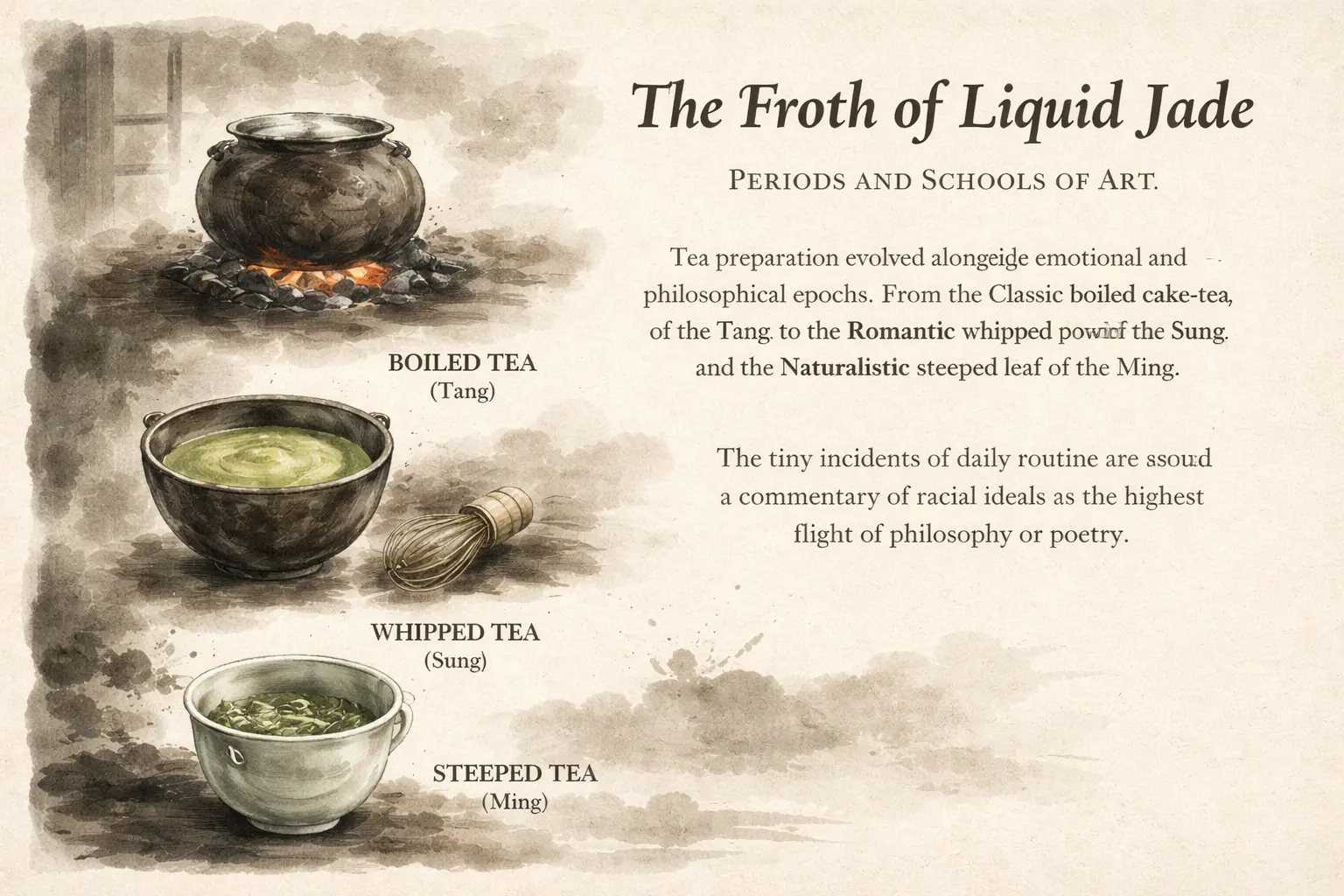
Three approaches to illustrating the evolution of tea preparation
The Philosophy of the Vacuum
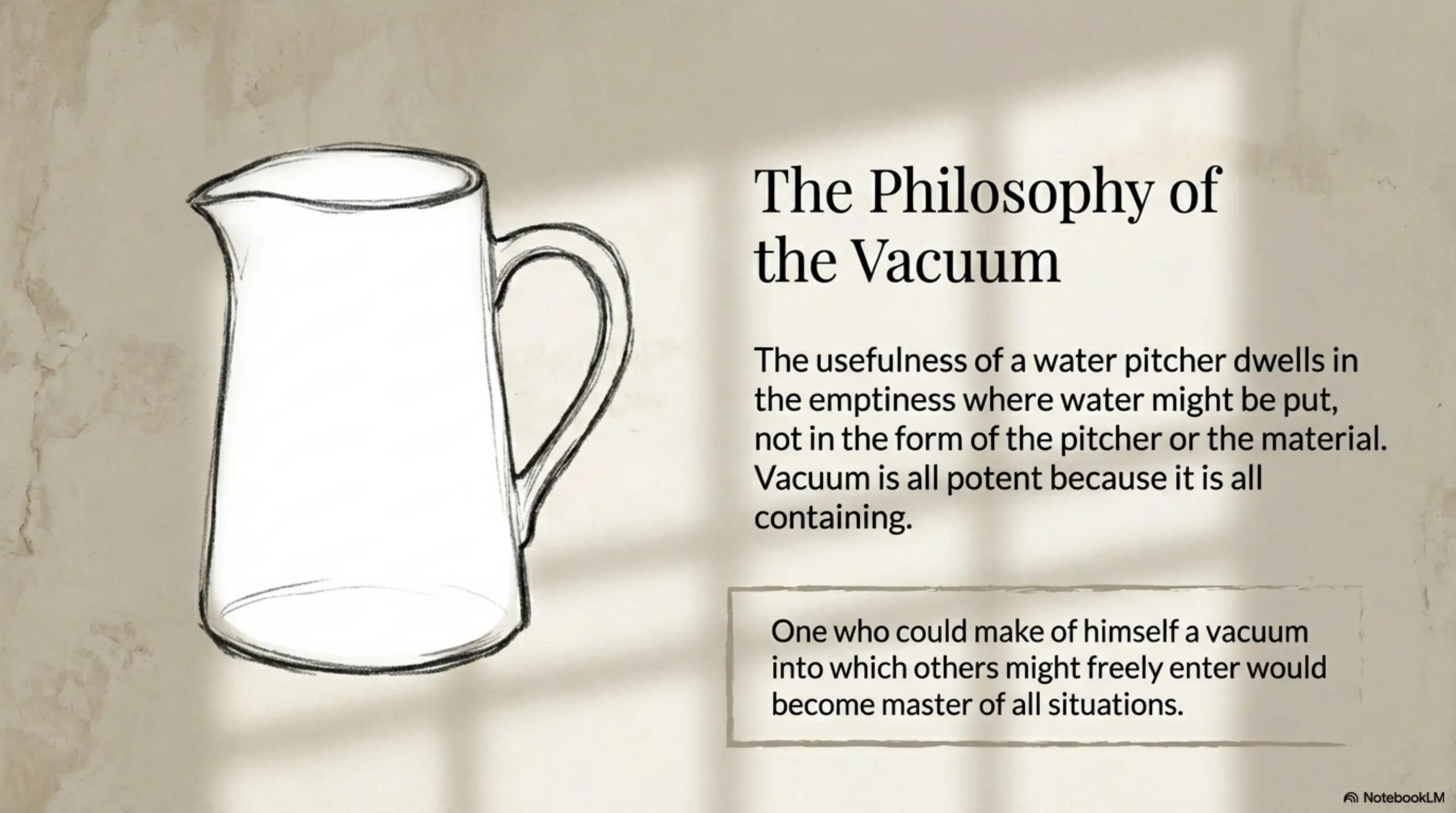
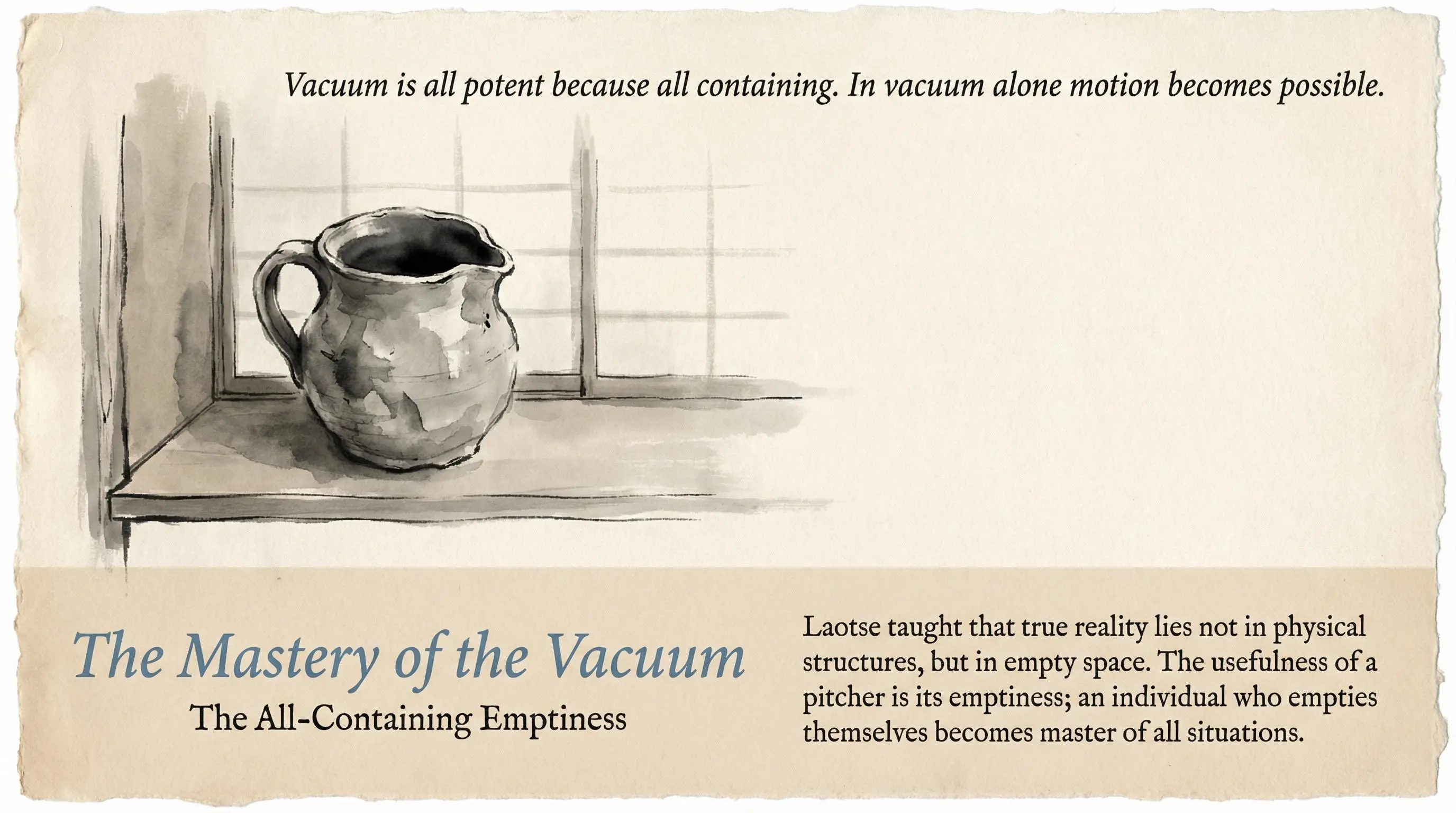
Taoism and emptiness – all three use the pitcher metaphor from Laotse.
NotebookLM
Gemini
OpenAI
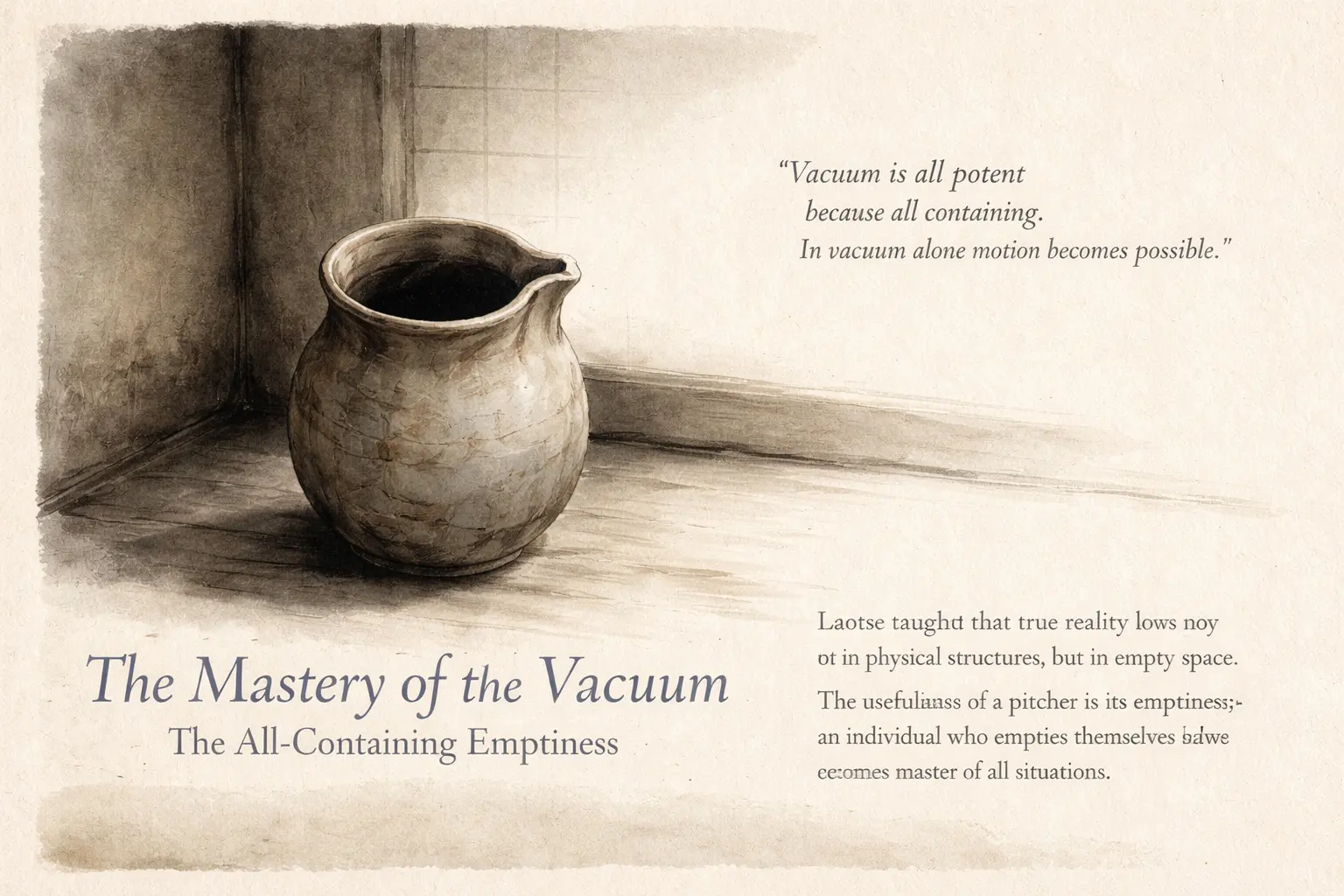
The pitcher as a metaphor for the power of emptiness
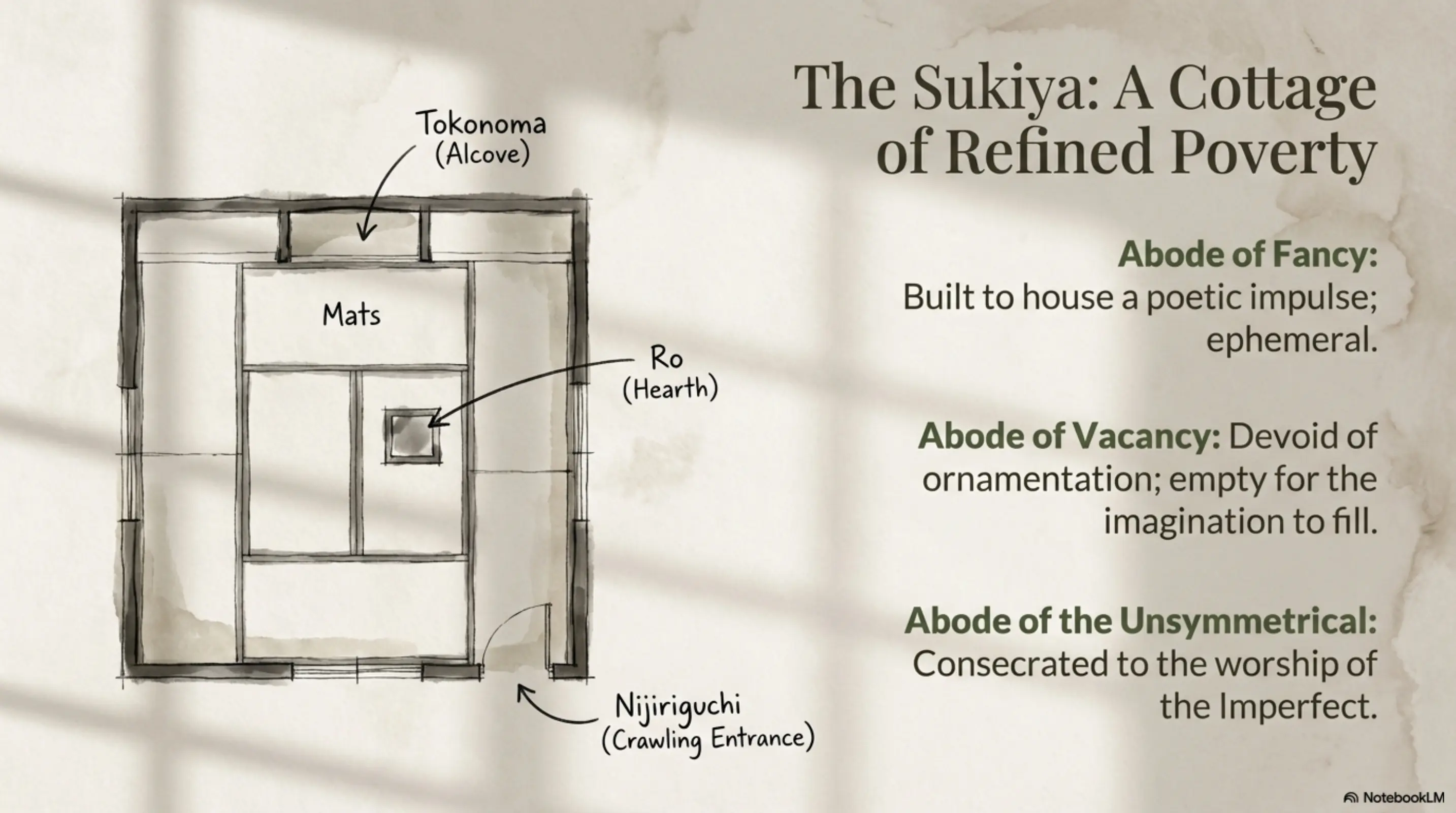
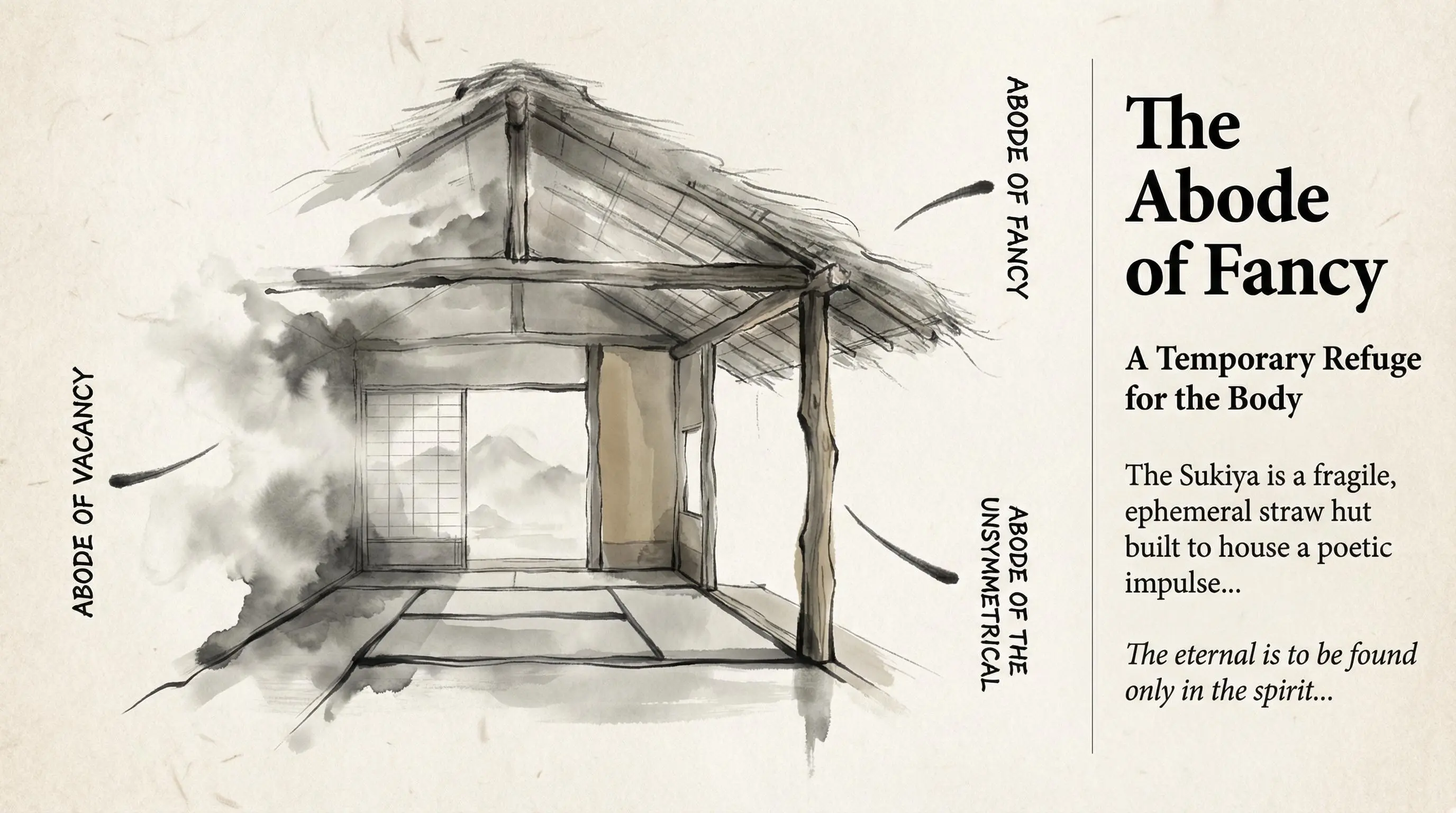
The Tea-Room (Sukiya)
NotebookLM shows an architectural floor plan; Gemini and OpenAI show exterior views of a rustic tea hut. All three name the three meanings: Abode of Fancy, Abode of Vacancy, Abode of the Unsymmetrical.
NotebookLM
Gemini
OpenAI
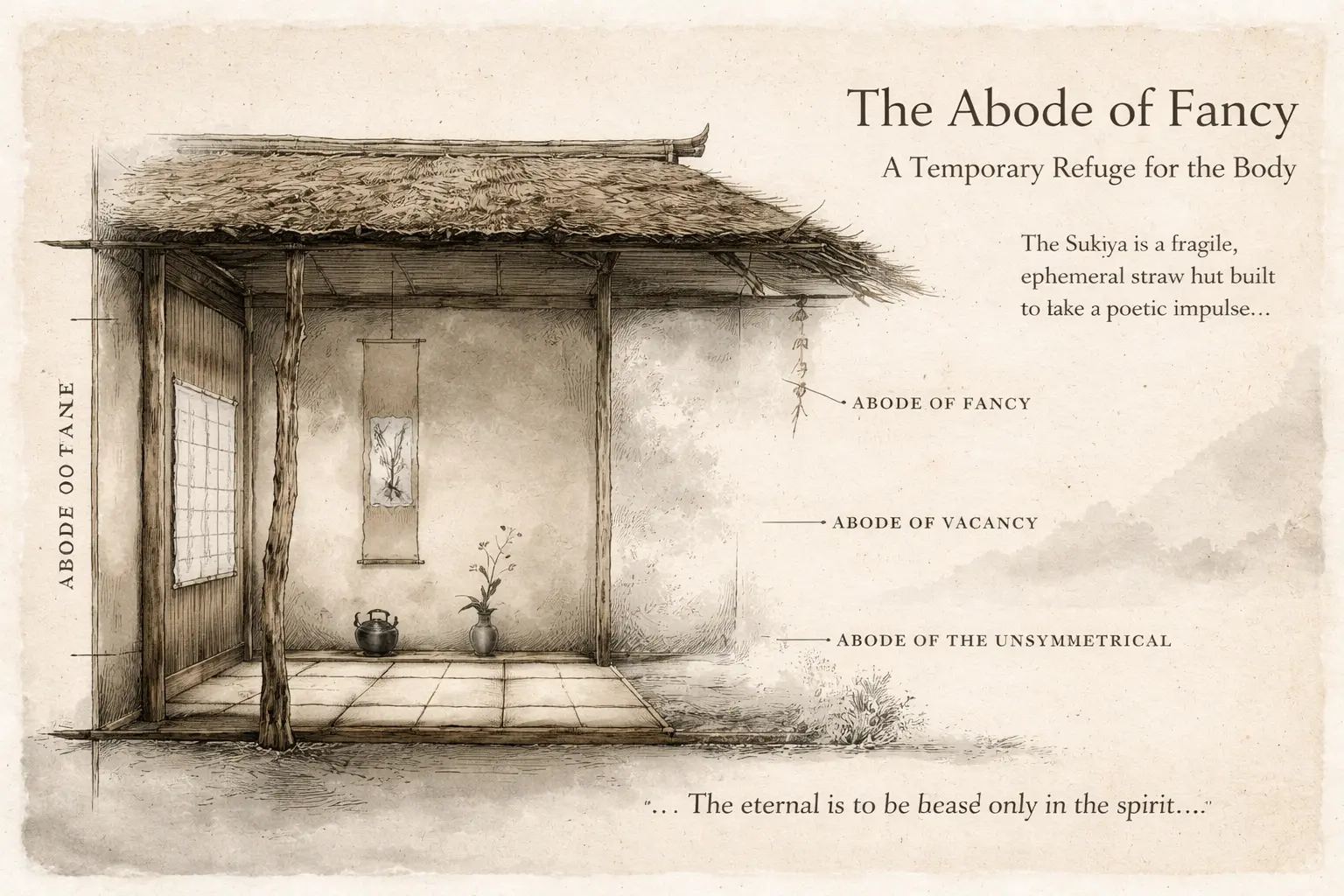
NotebookLM takes a diagrammatic approach; Gemini and OpenAI go atmospheric
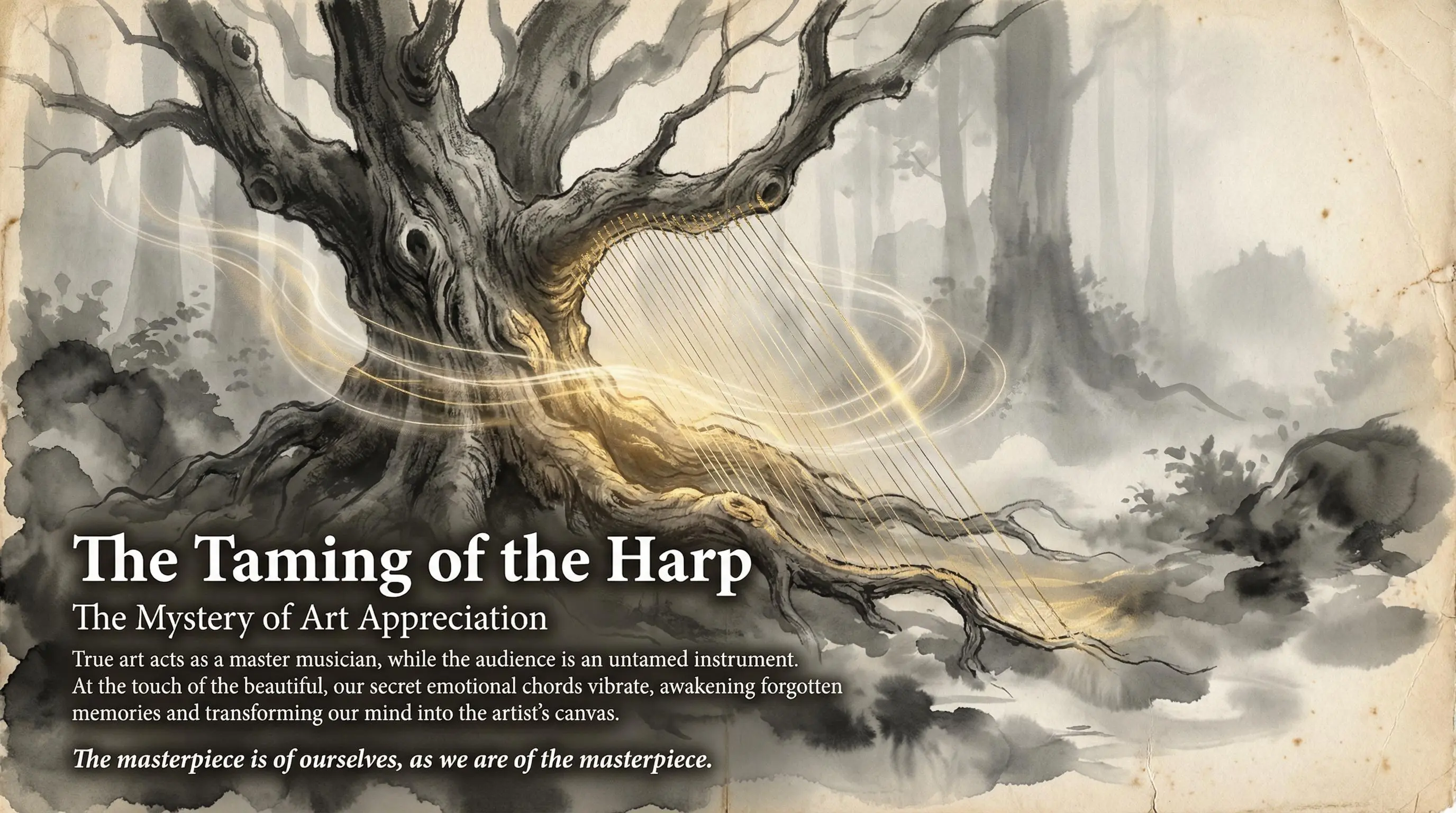
The Harp of Lungmen – Art Appreciation
The story of Peiwoh taming the kiri tree’s harp. NotebookLM shows harp strings in tree branches; Gemini and OpenAI depict a tree radiating golden light.
NotebookLM
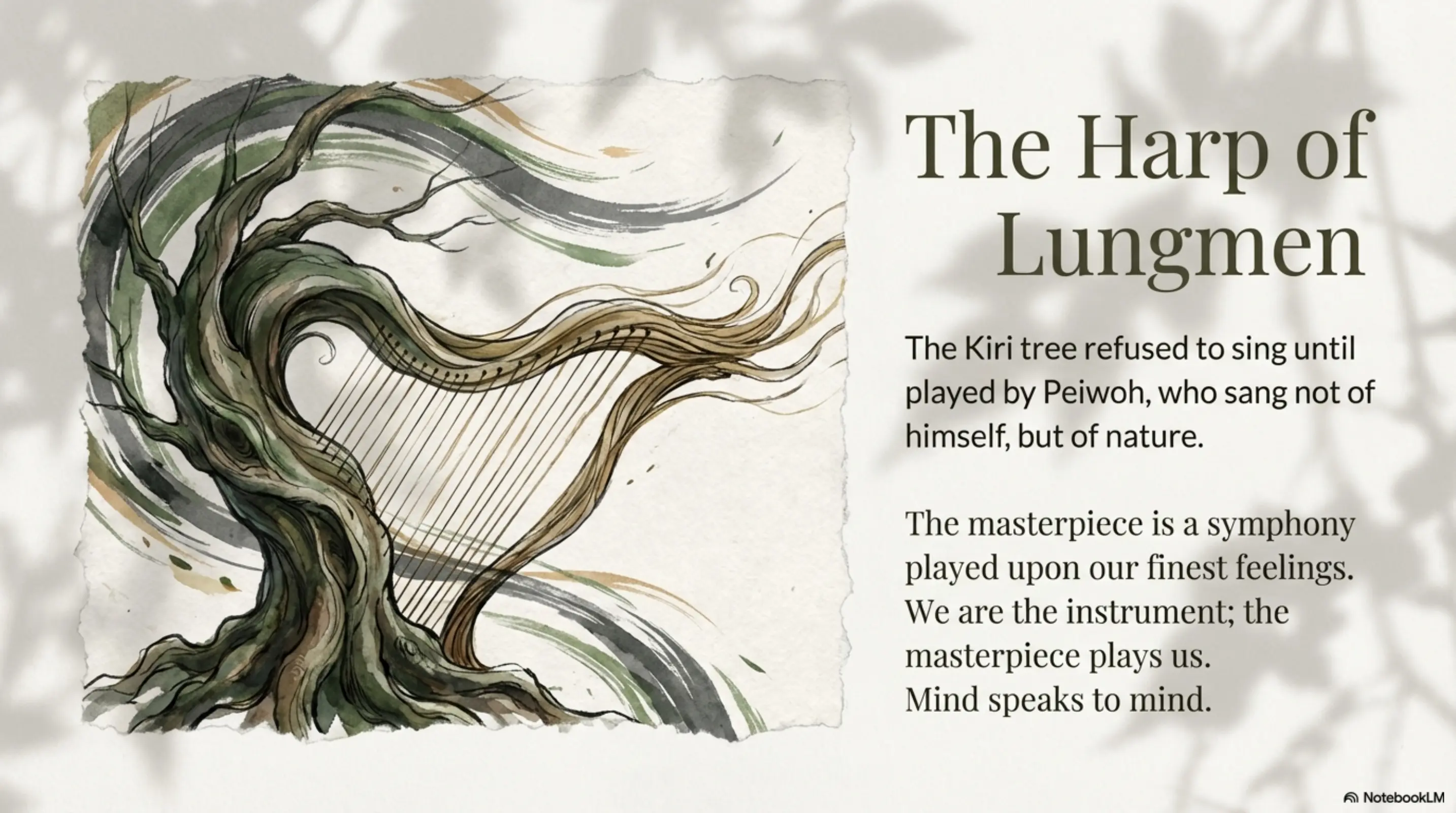
Gemini
OpenAI
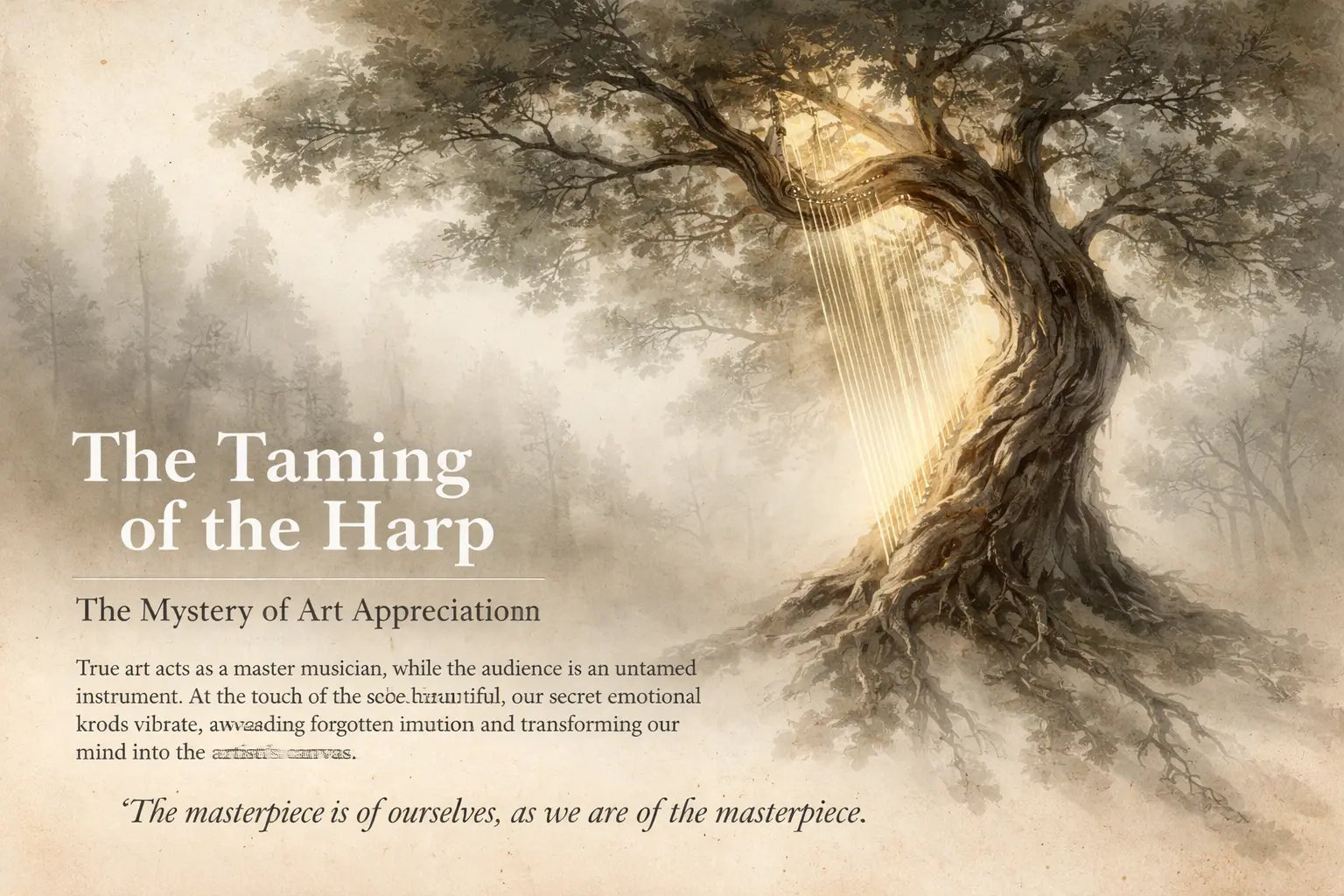
Art as conversation between masterpiece and audience
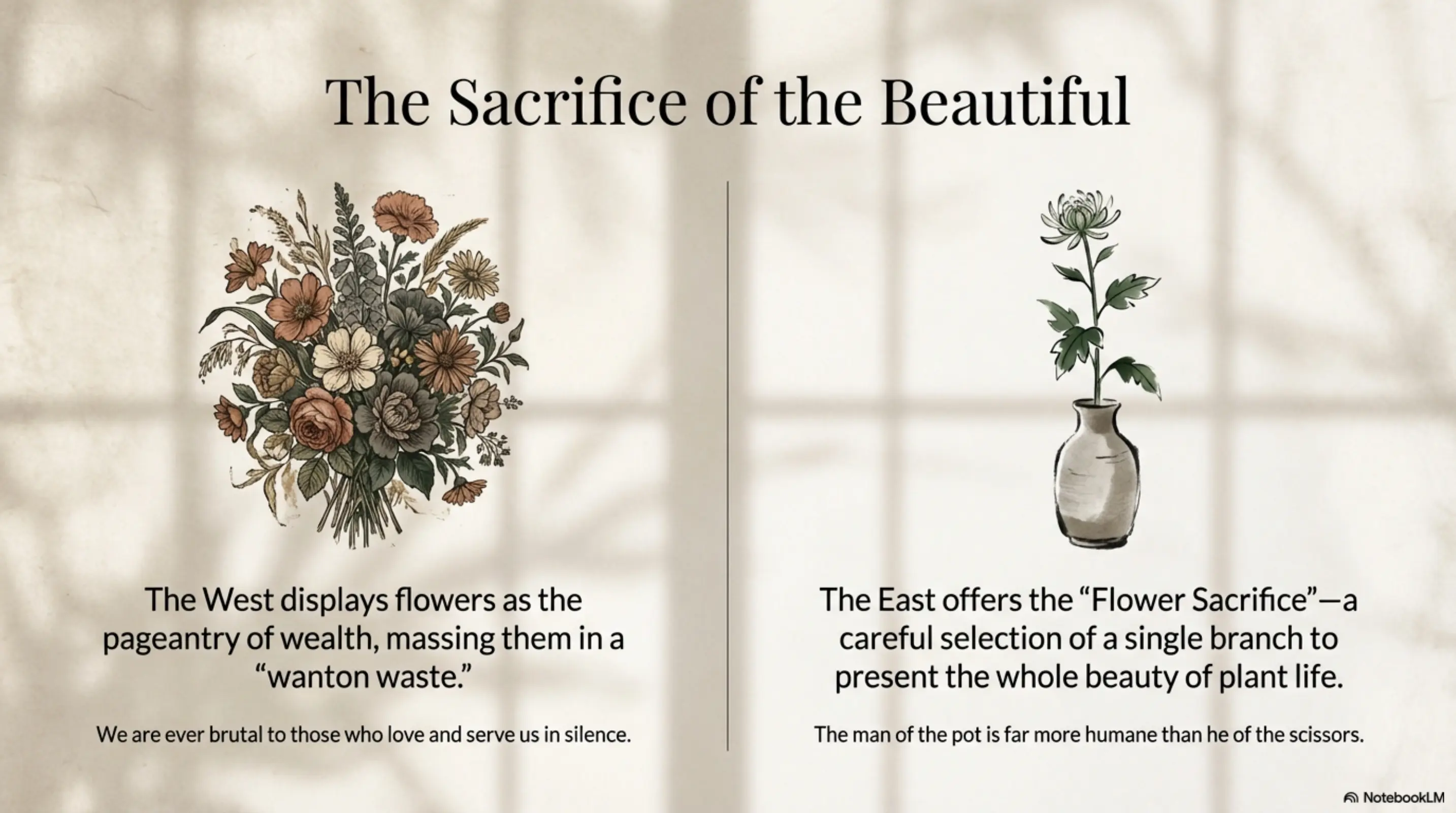
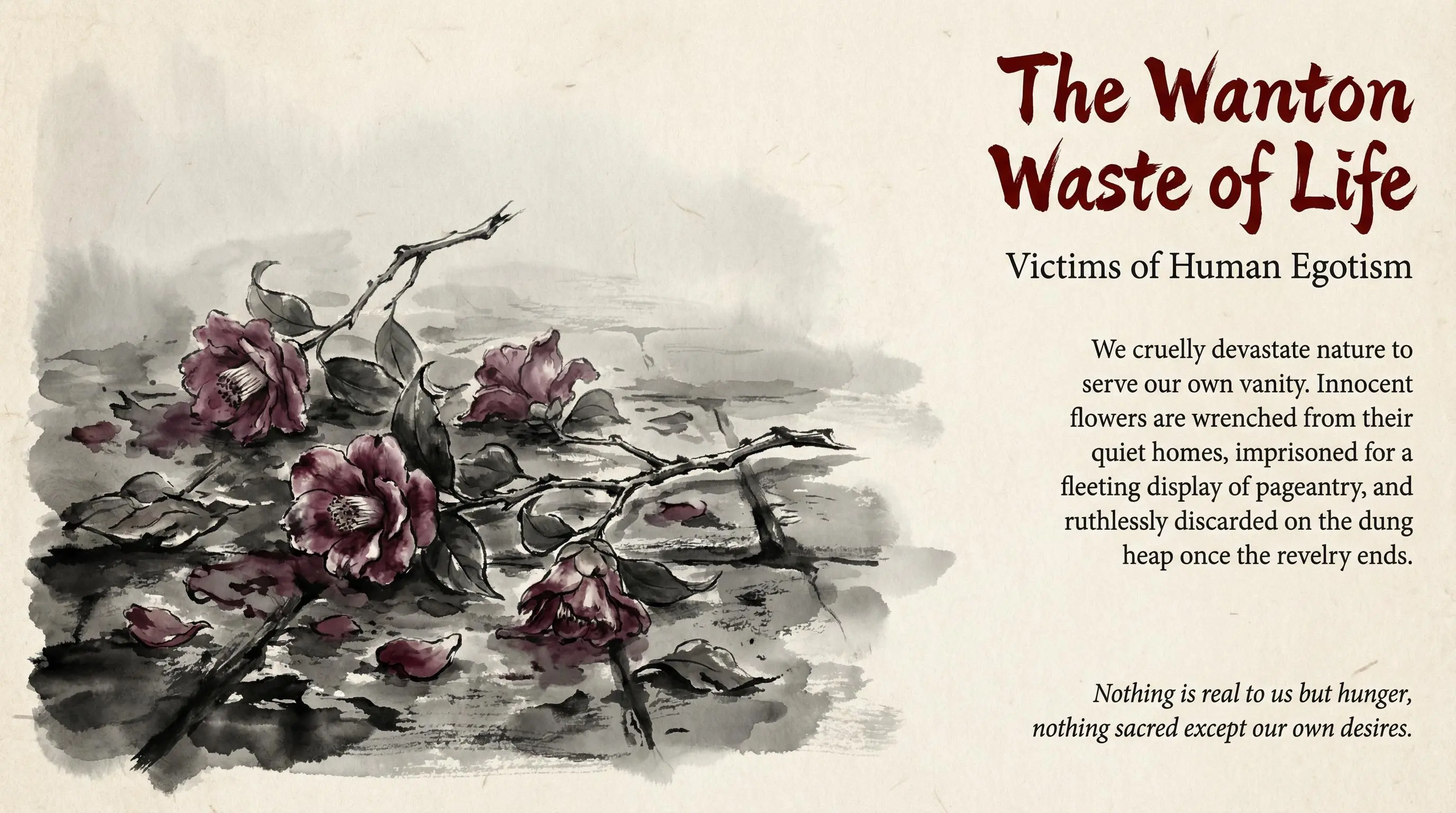
Flowers – East vs. West
NotebookLM contrasts both approaches side by side (Western bouquet vs. single chrysanthemum). Gemini and OpenAI focus on the Western waste angle – wilting roses discarded.
NotebookLM
Gemini
OpenAI
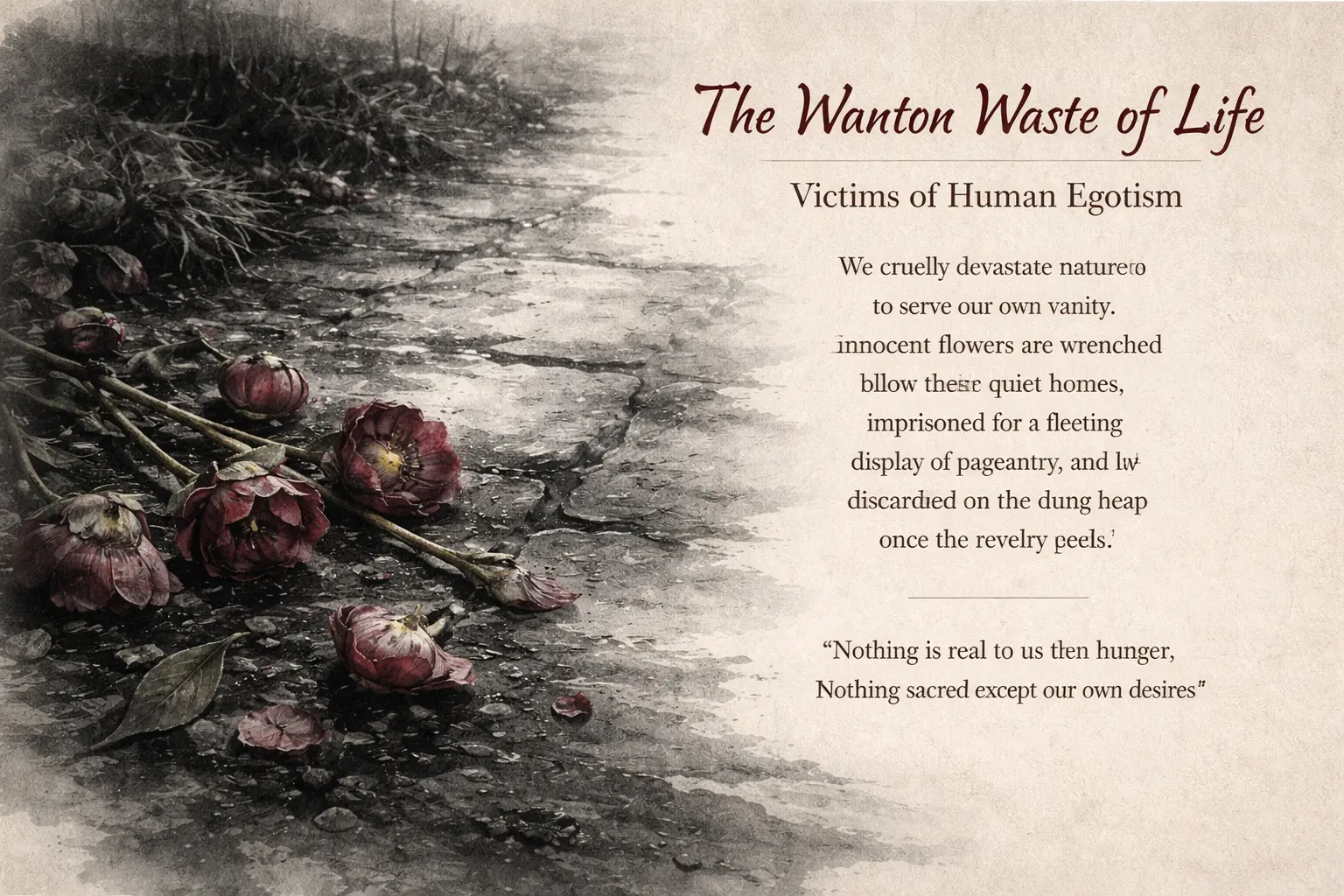
NotebookLM shows both sides; Gemini and OpenAI emphasize the critique of Western flower culture
Tea Masters as Living Art
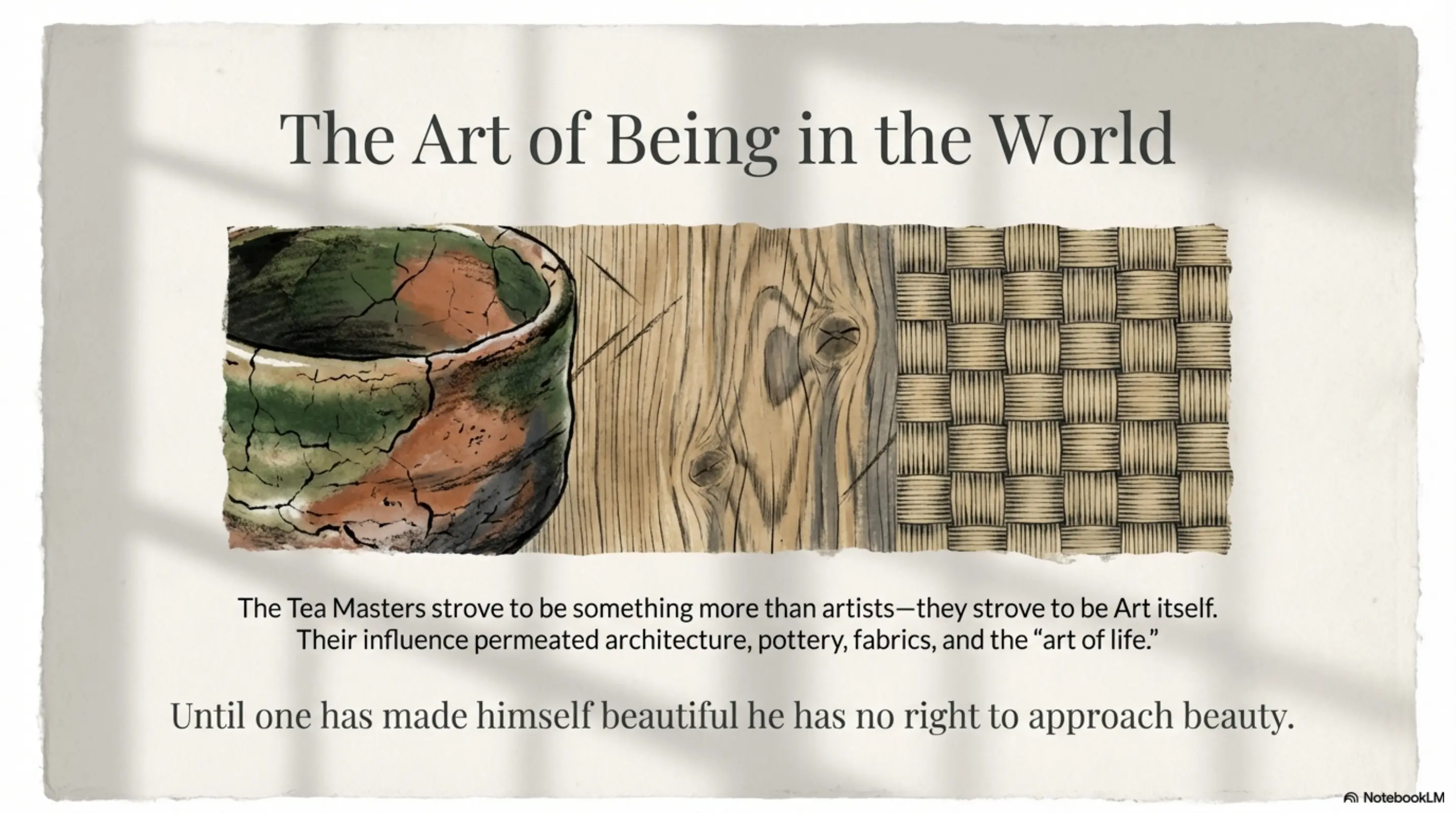
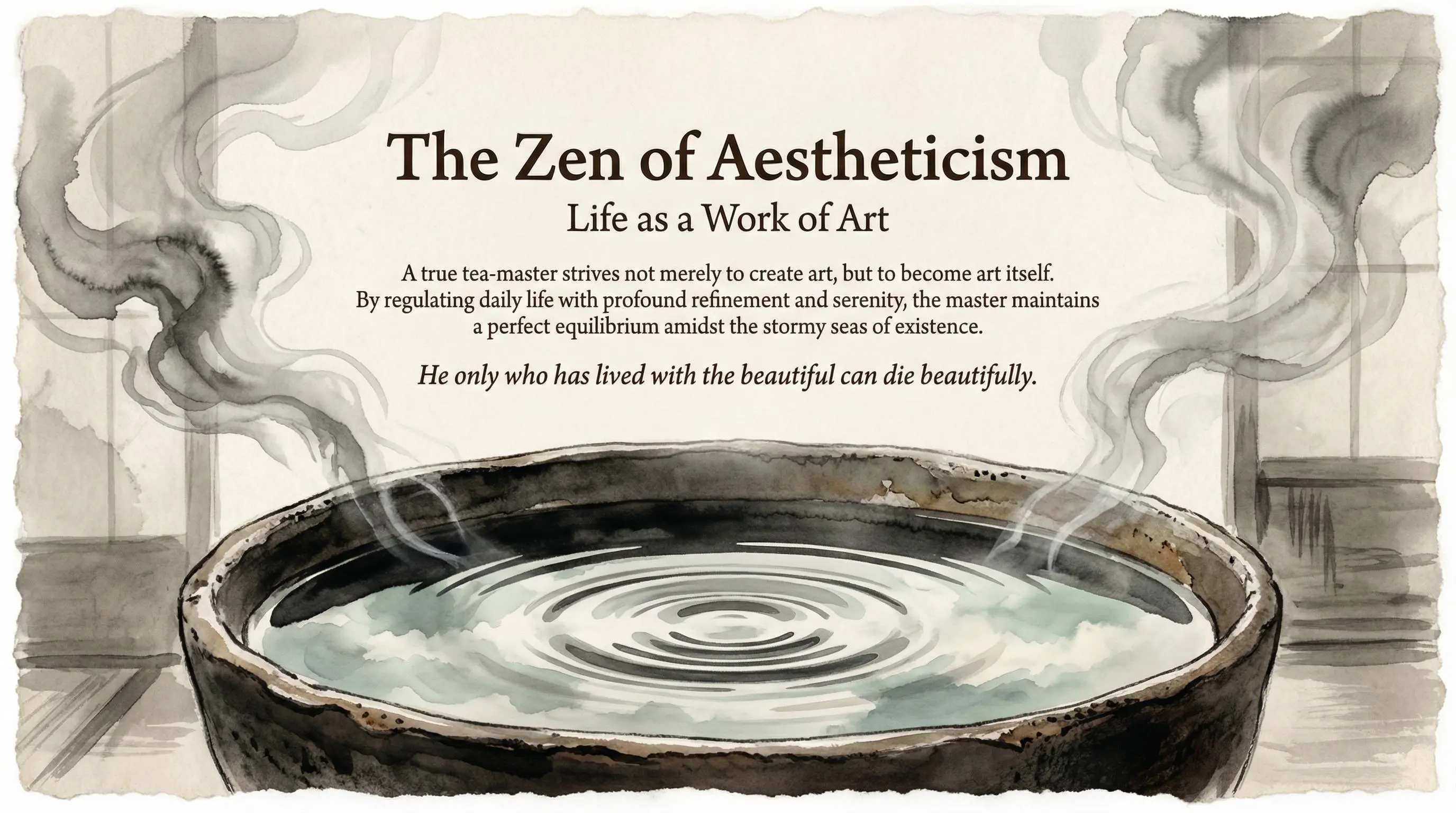
The idea that tea masters strove not just to create art, but to become art itself.
NotebookLM
Gemini
OpenAI
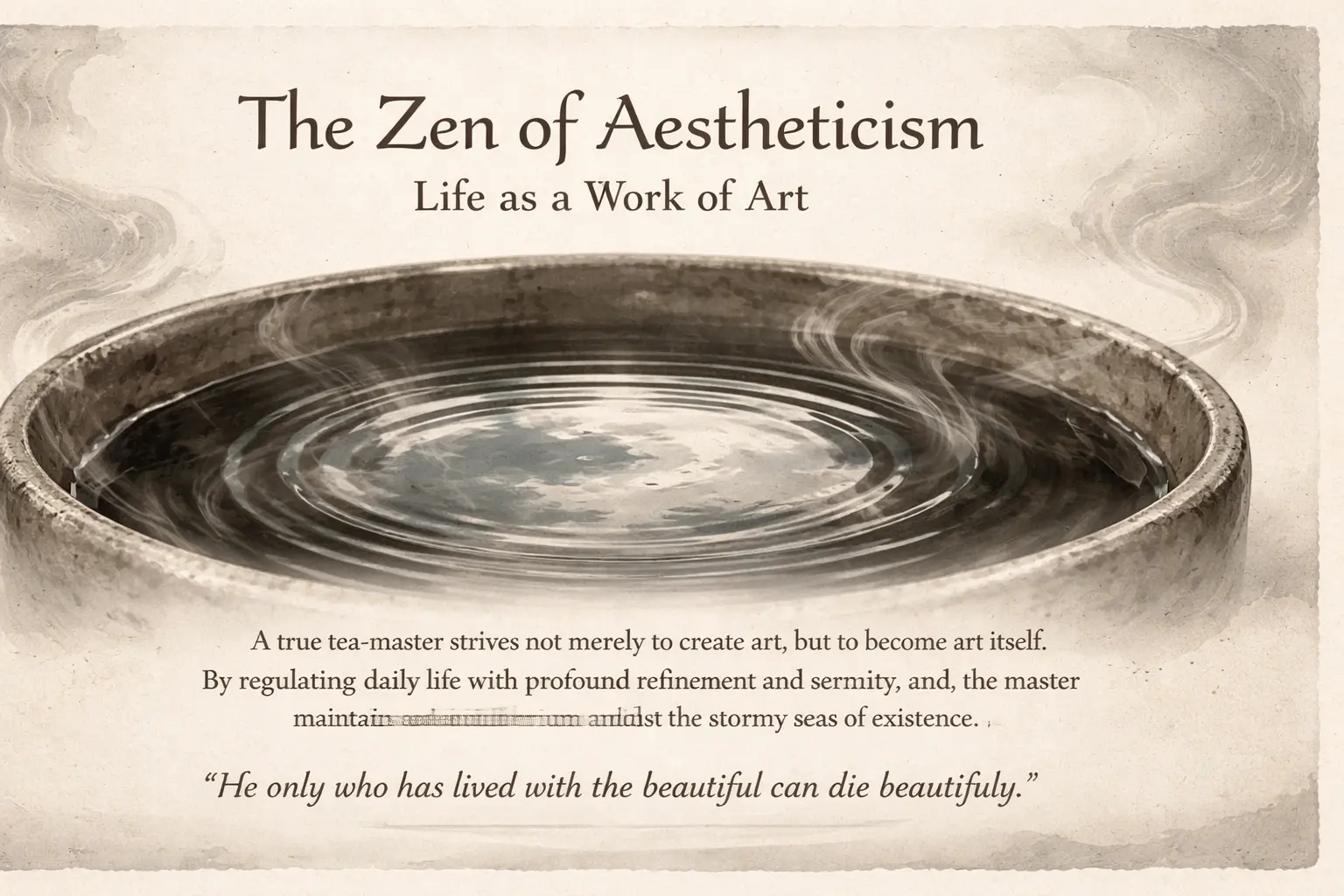
Living as art -- the tea master's ultimate aspiration
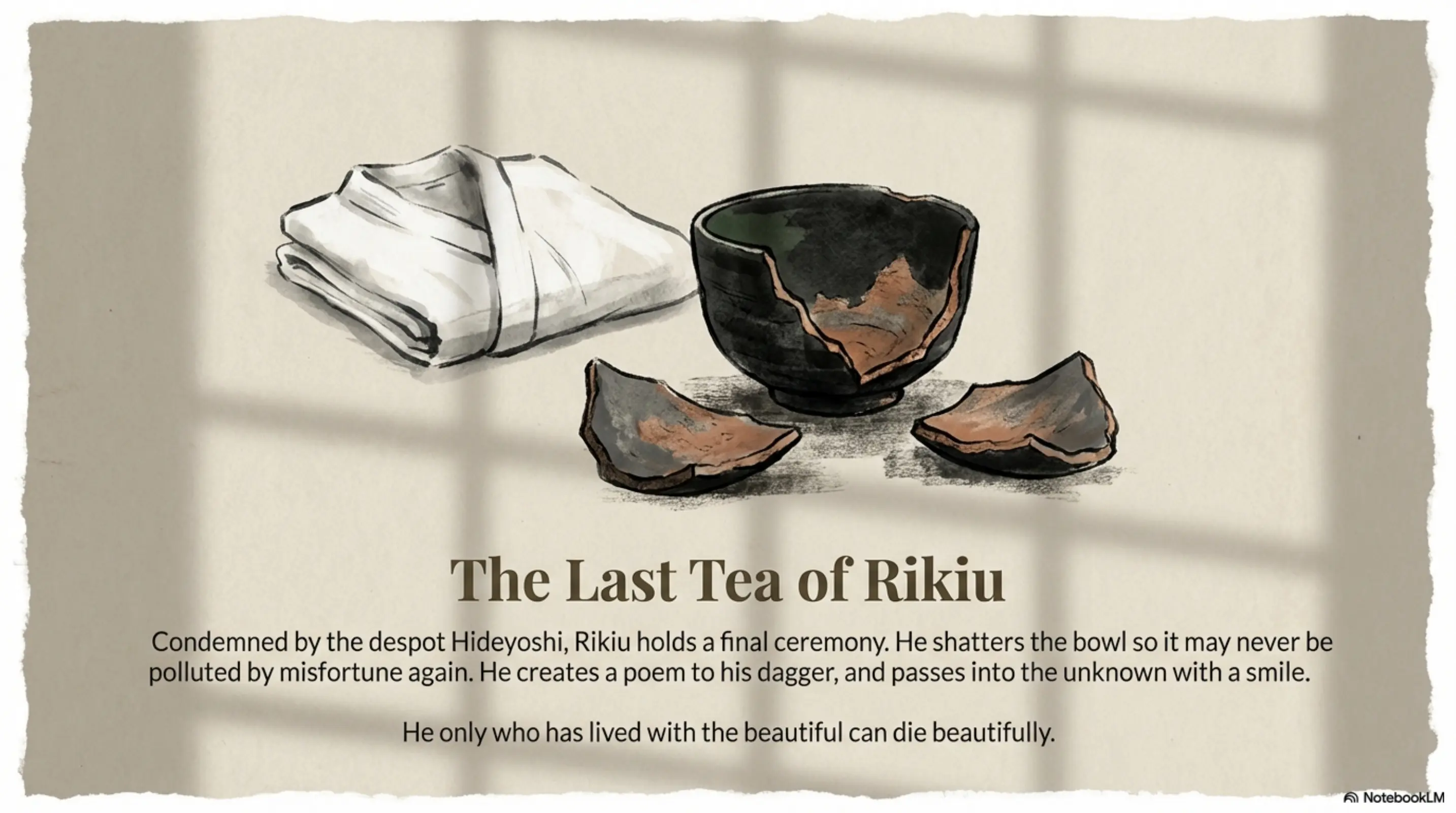
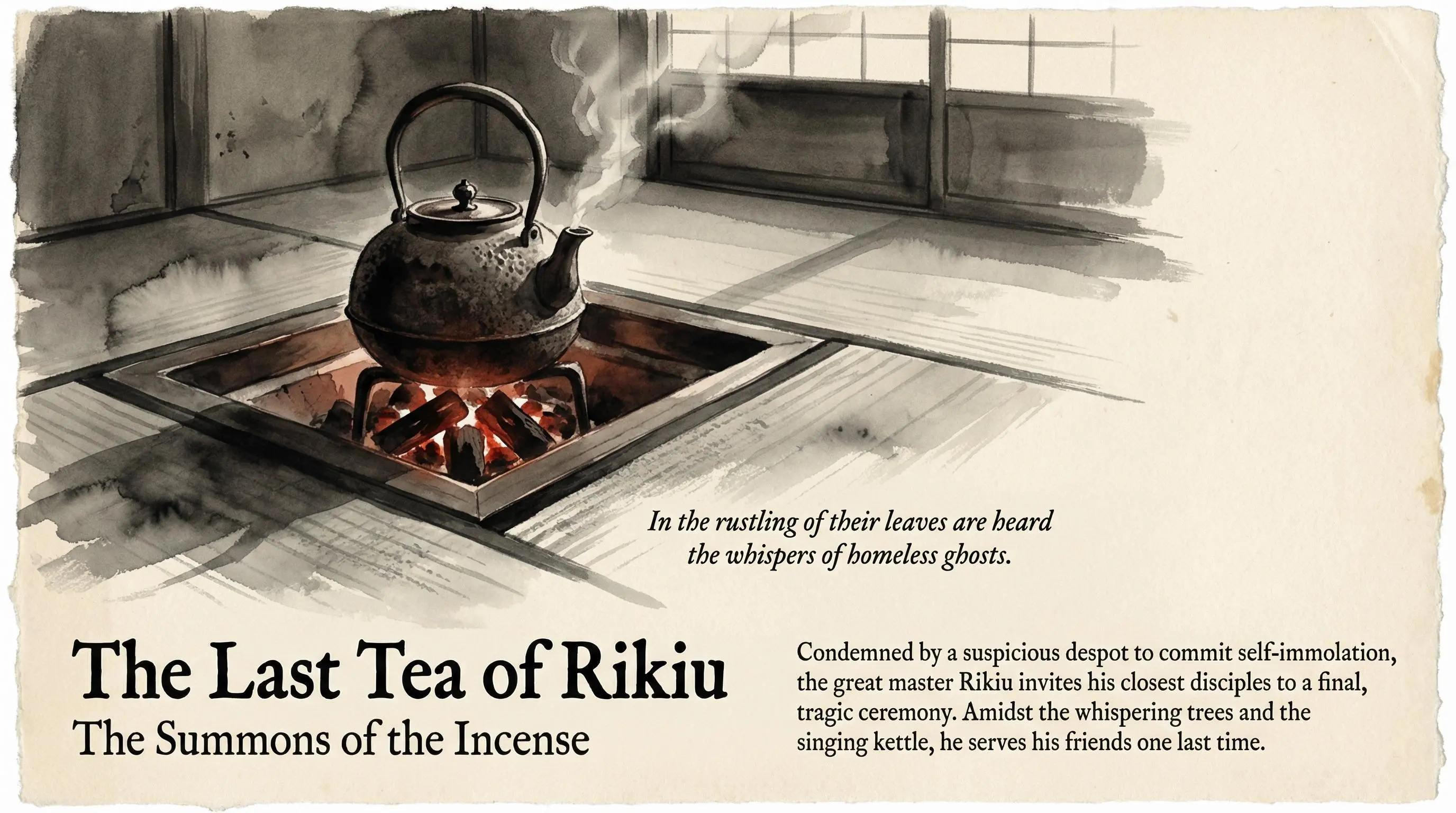
The Last Tea of Rikiu
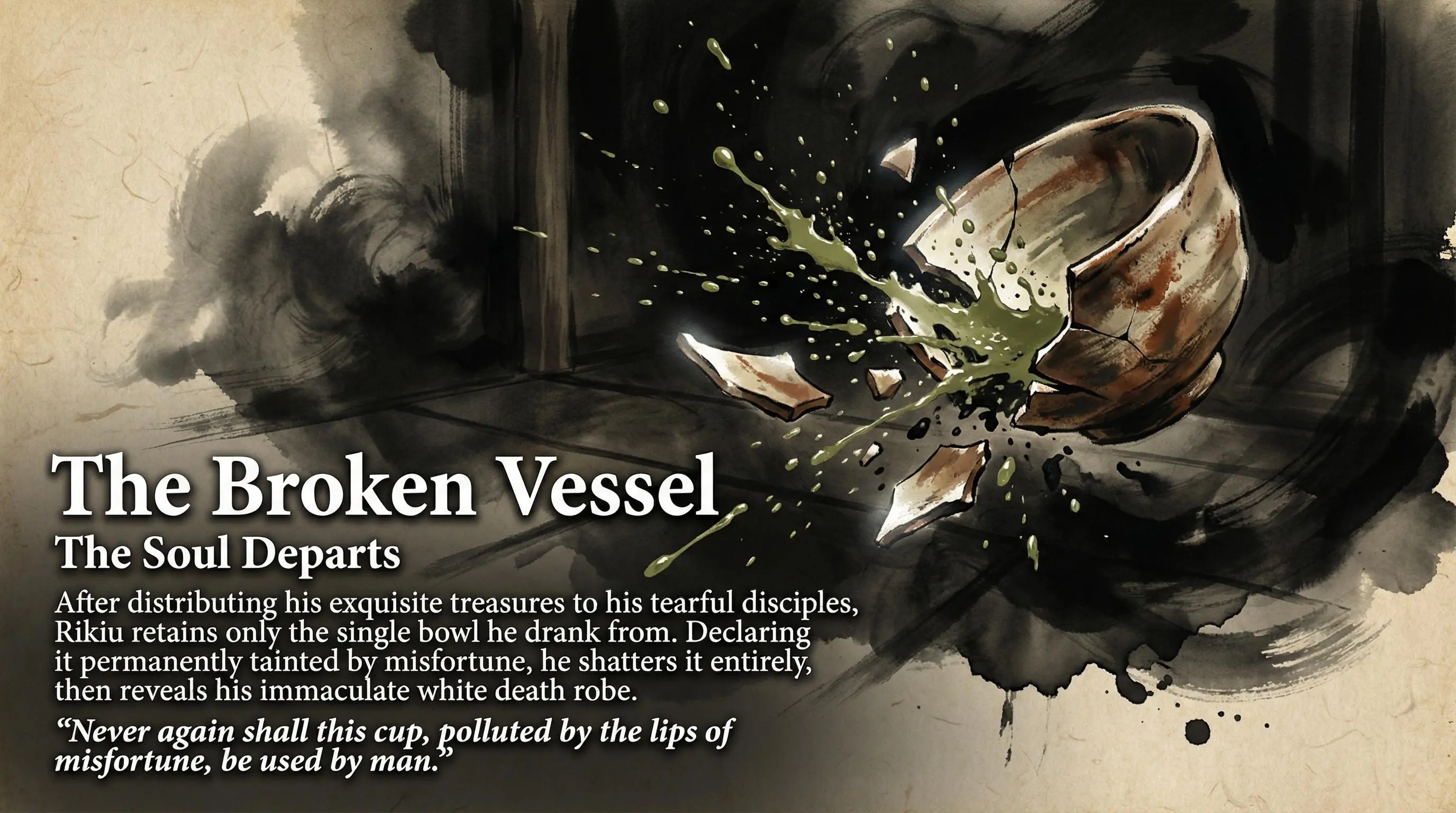
Rikiu’s final ceremony before his death. NotebookLM tells the full story in one slide; Gemini and OpenAI split it across two – the ceremony and the shattering of the bowl.
NotebookLM
Gemini
OpenAI
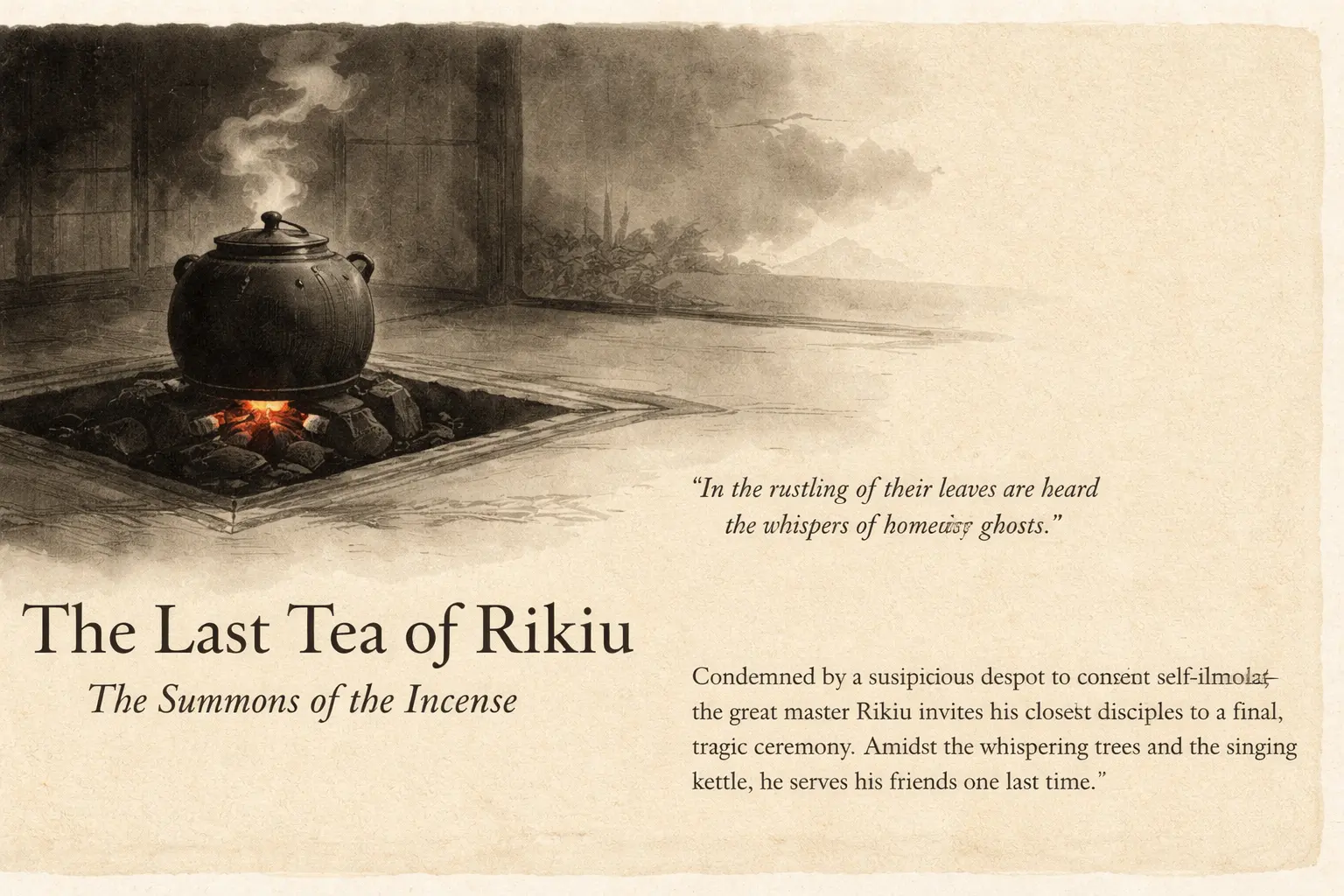
The ceremony begins -- Rikiu's final gathering with his disciples
Gemini
OpenAI
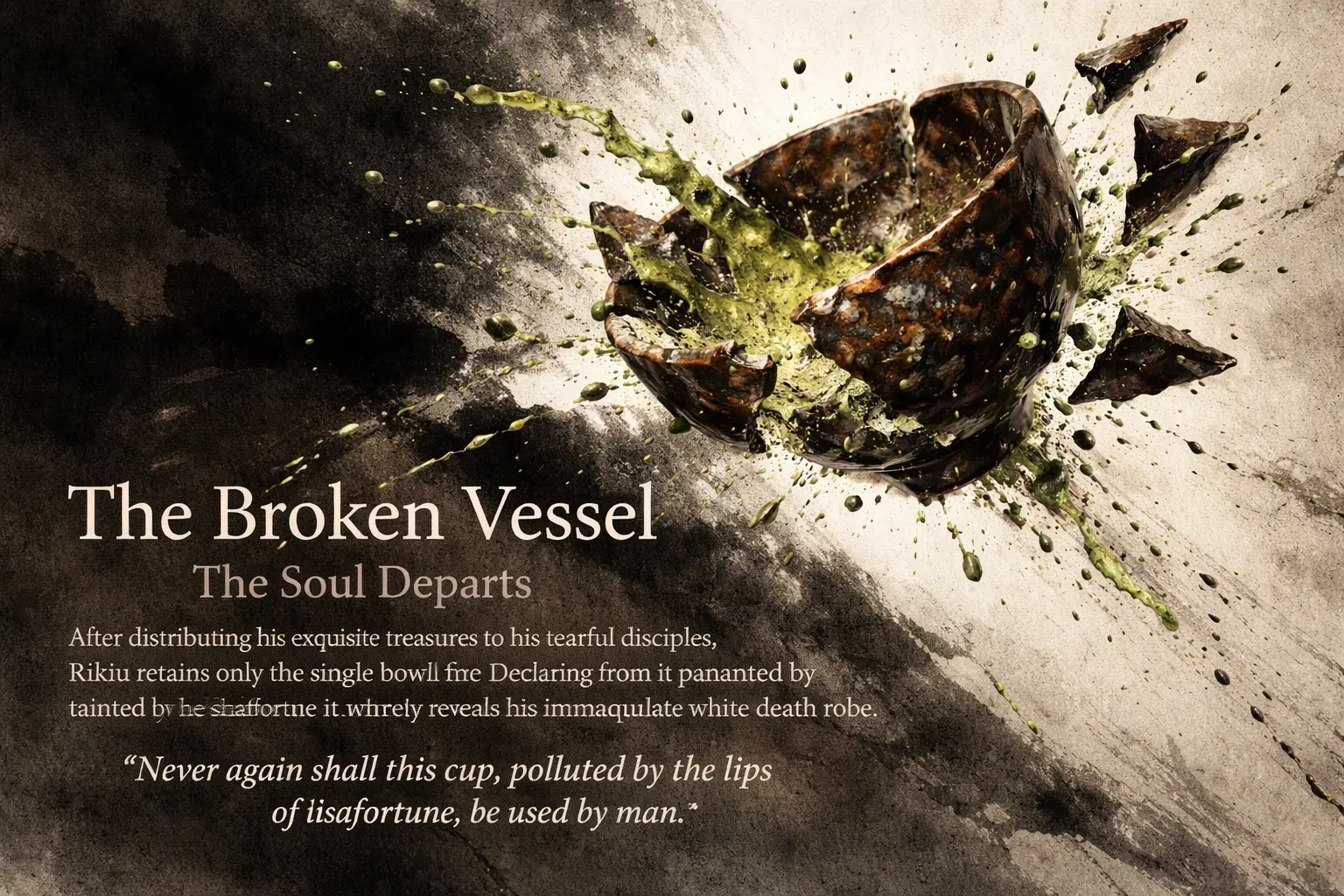
The bowl shatters -- Gemini and OpenAI give this moment its own slide
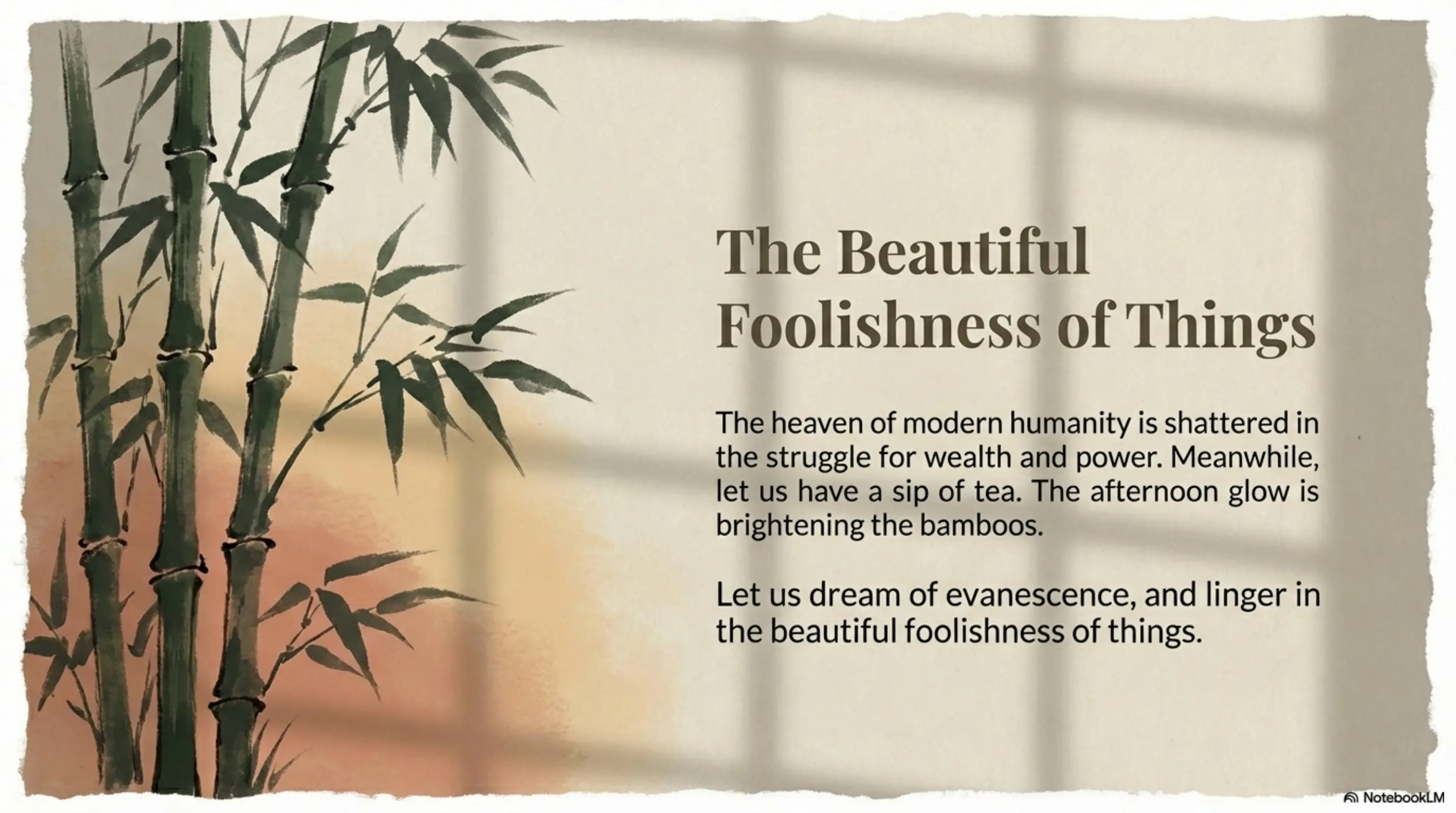
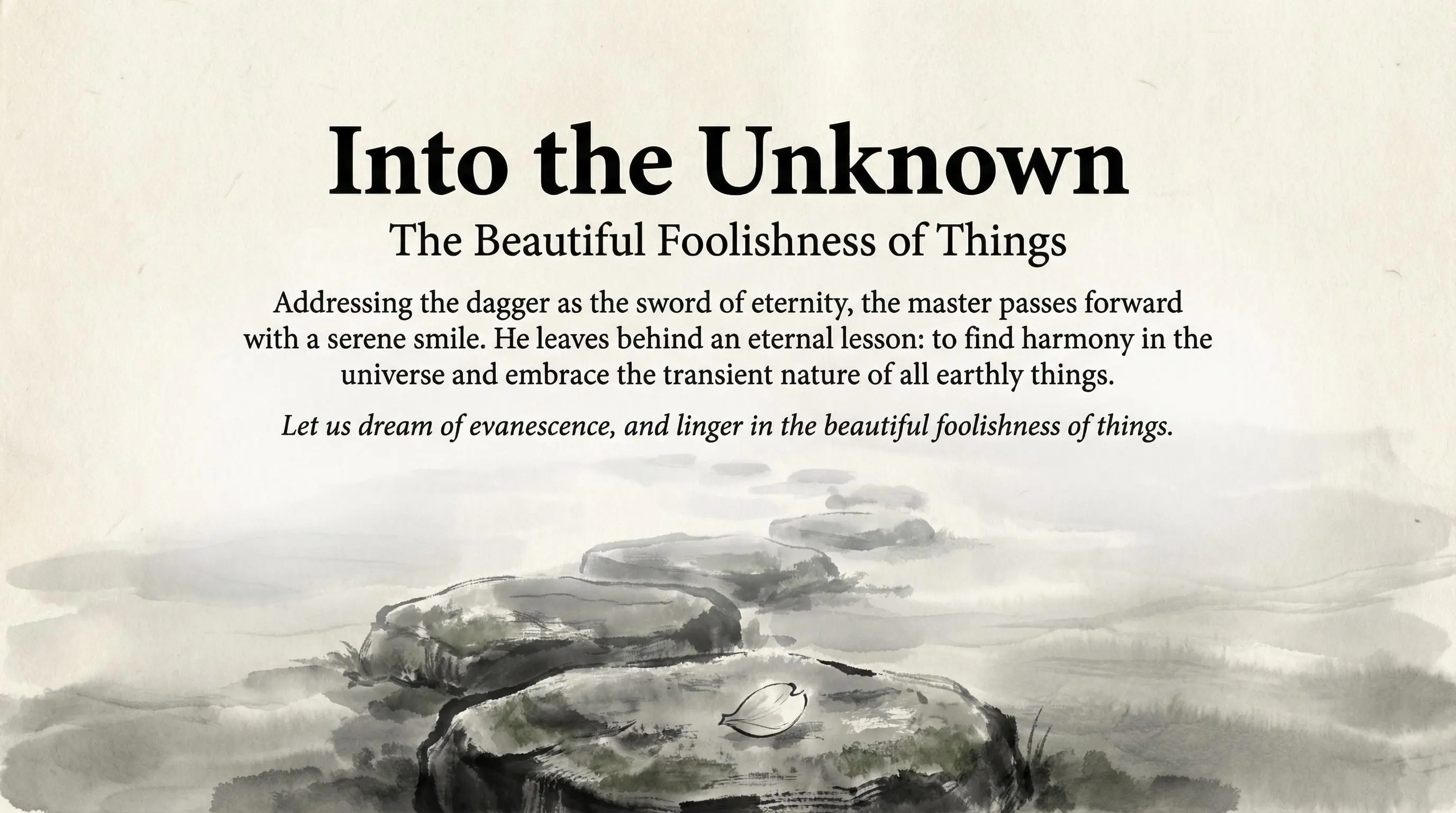
The Beautiful Foolishness of Things
All three close with “Let us dream of evanescence, and linger in the beautiful foolishness of things.”
NotebookLM
Gemini
OpenAI
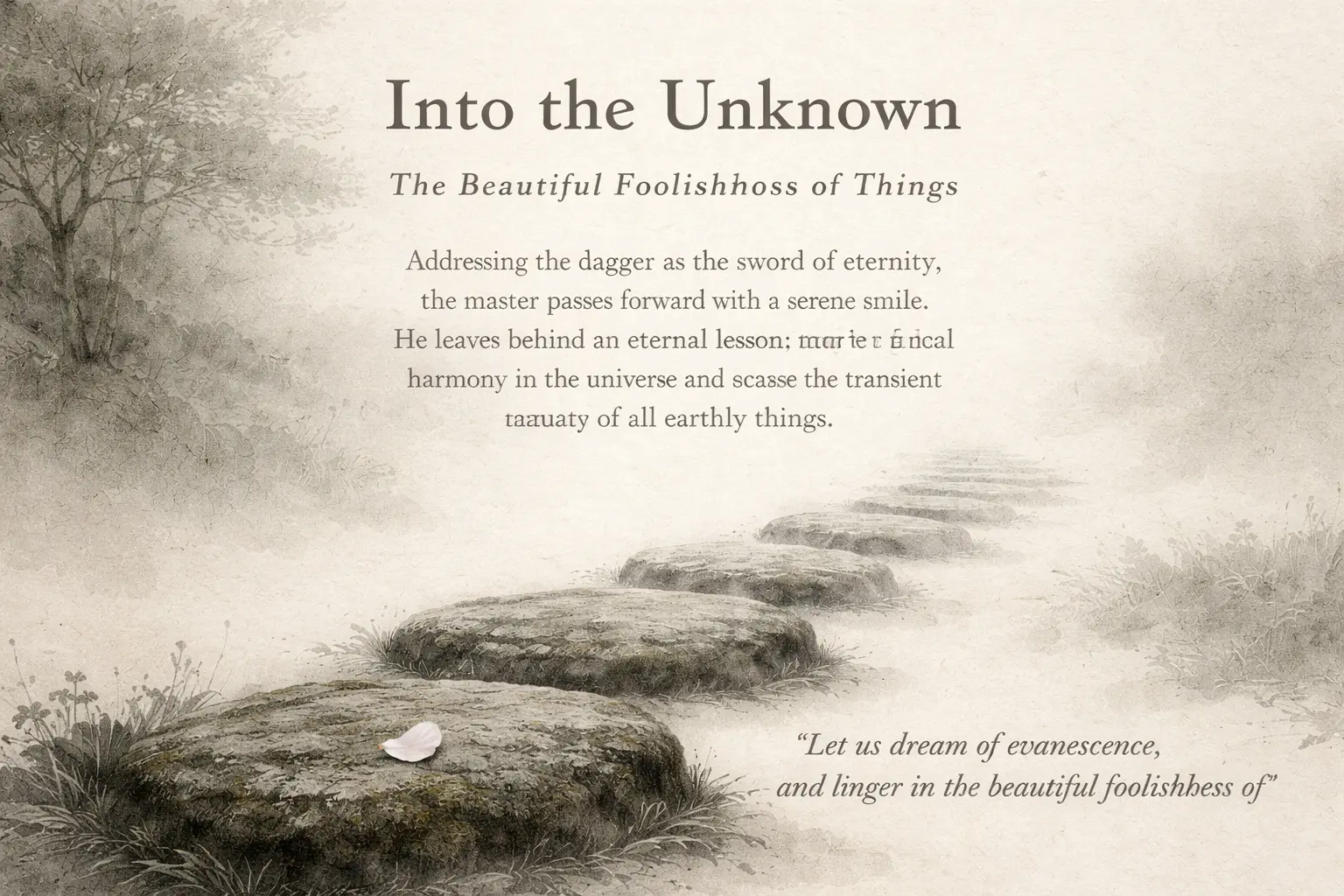
Three takes on the closing meditation
NotebookLM’s Extra Slides
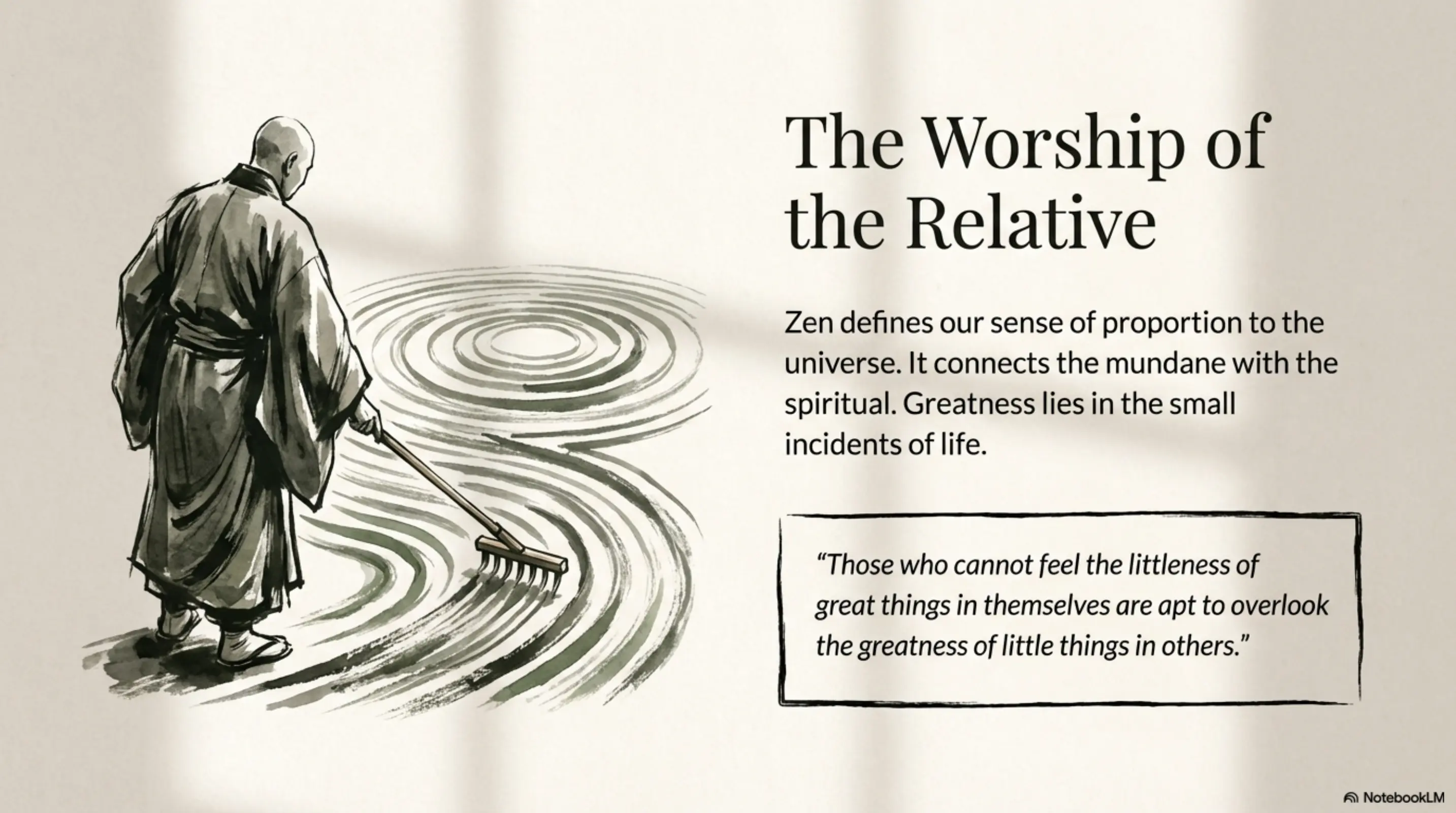
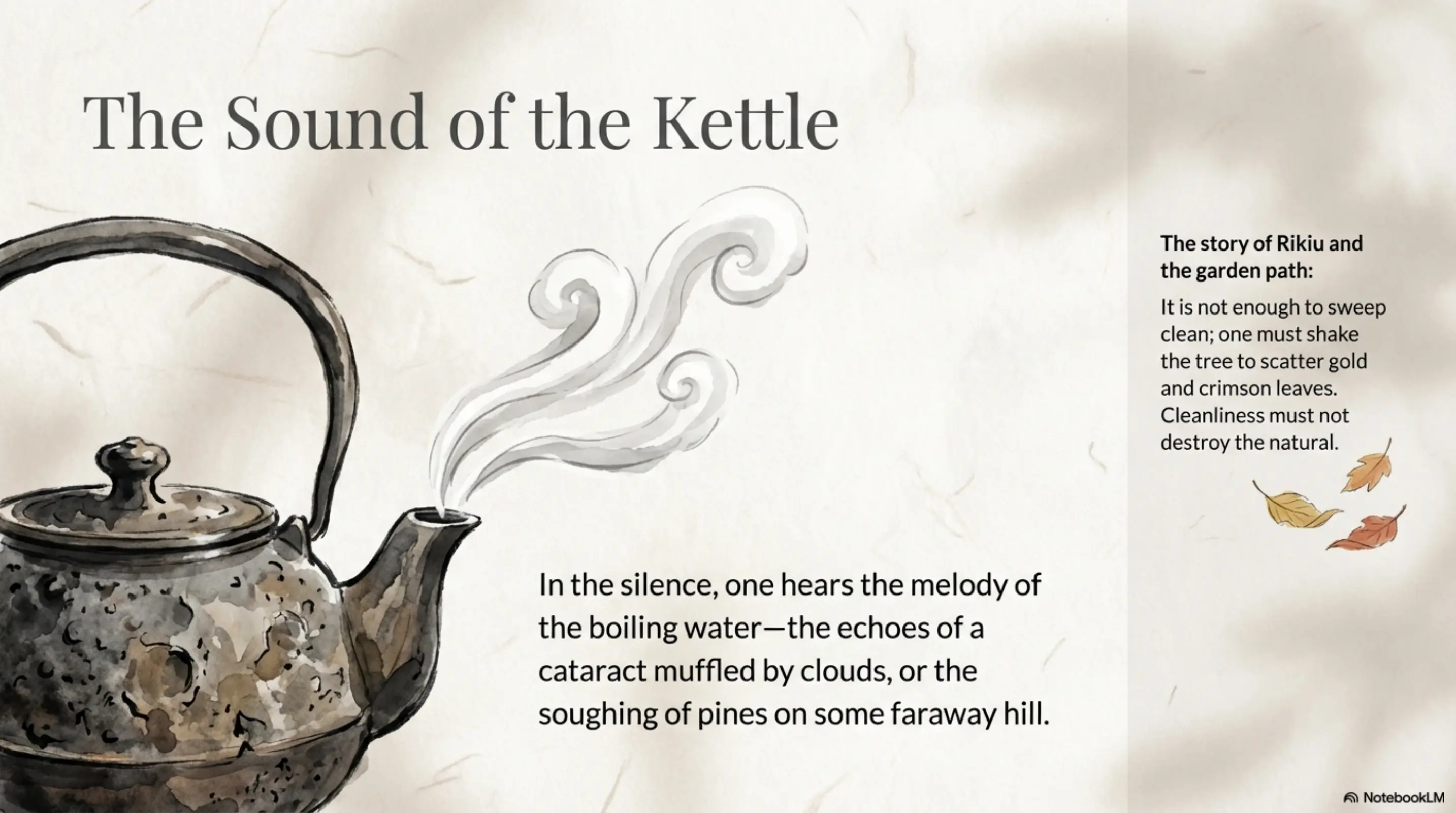
NotebookLM dedicated four slides to topics that Gemini and OpenAI either absorbed into other slides or skipped entirely: Zen philosophy as distinct from Taoism, the garden path as the first stage of meditation, the sensory experience of the boiling kettle, and Rikiu’s morning glory anecdote about concentration.
The Worship of the Relative
The Garden Path (Roji)
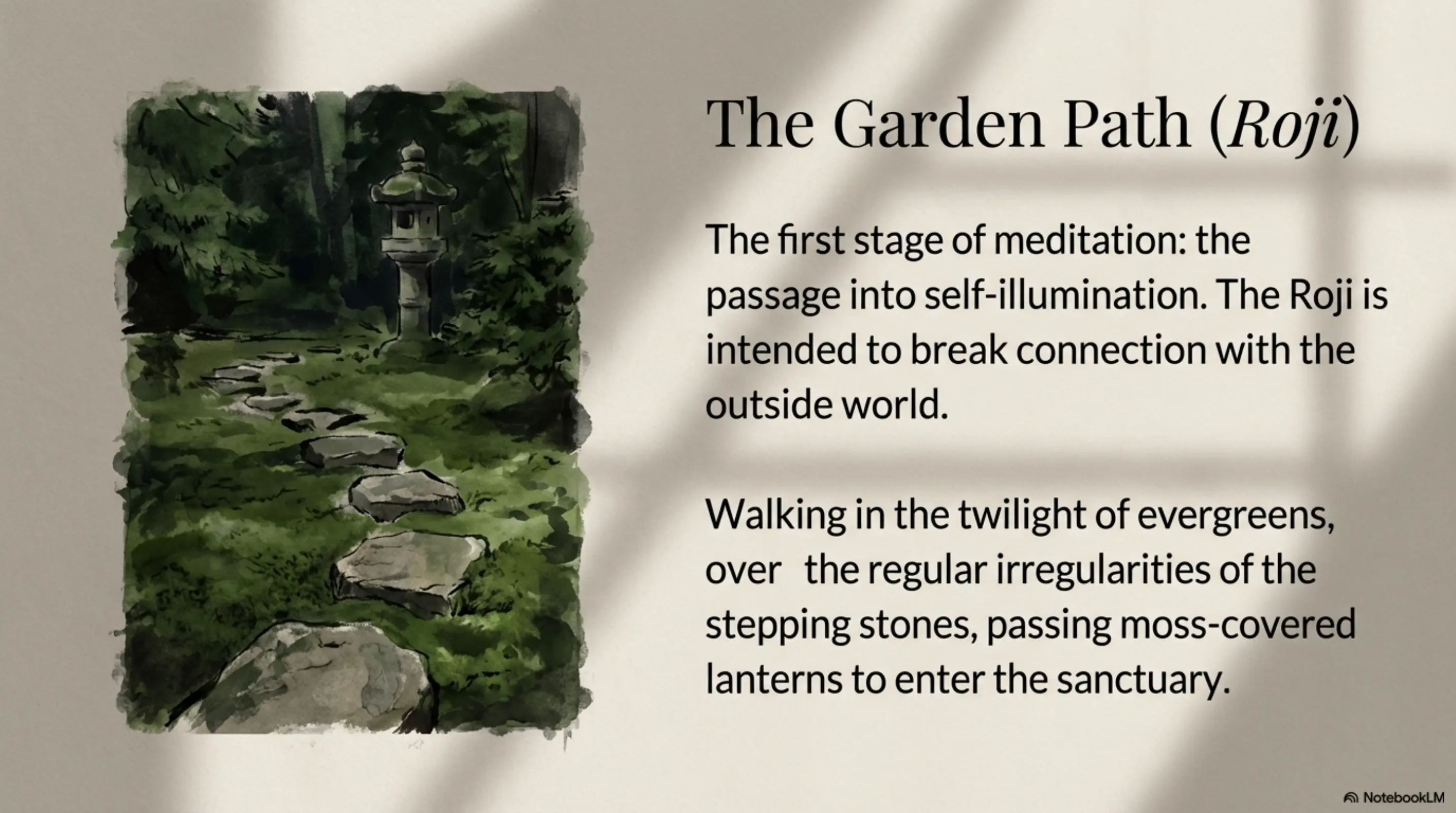
Zen as its own philosophical pillar, and the garden path as meditation
The Sound of the Kettle
The Queen of the Garden
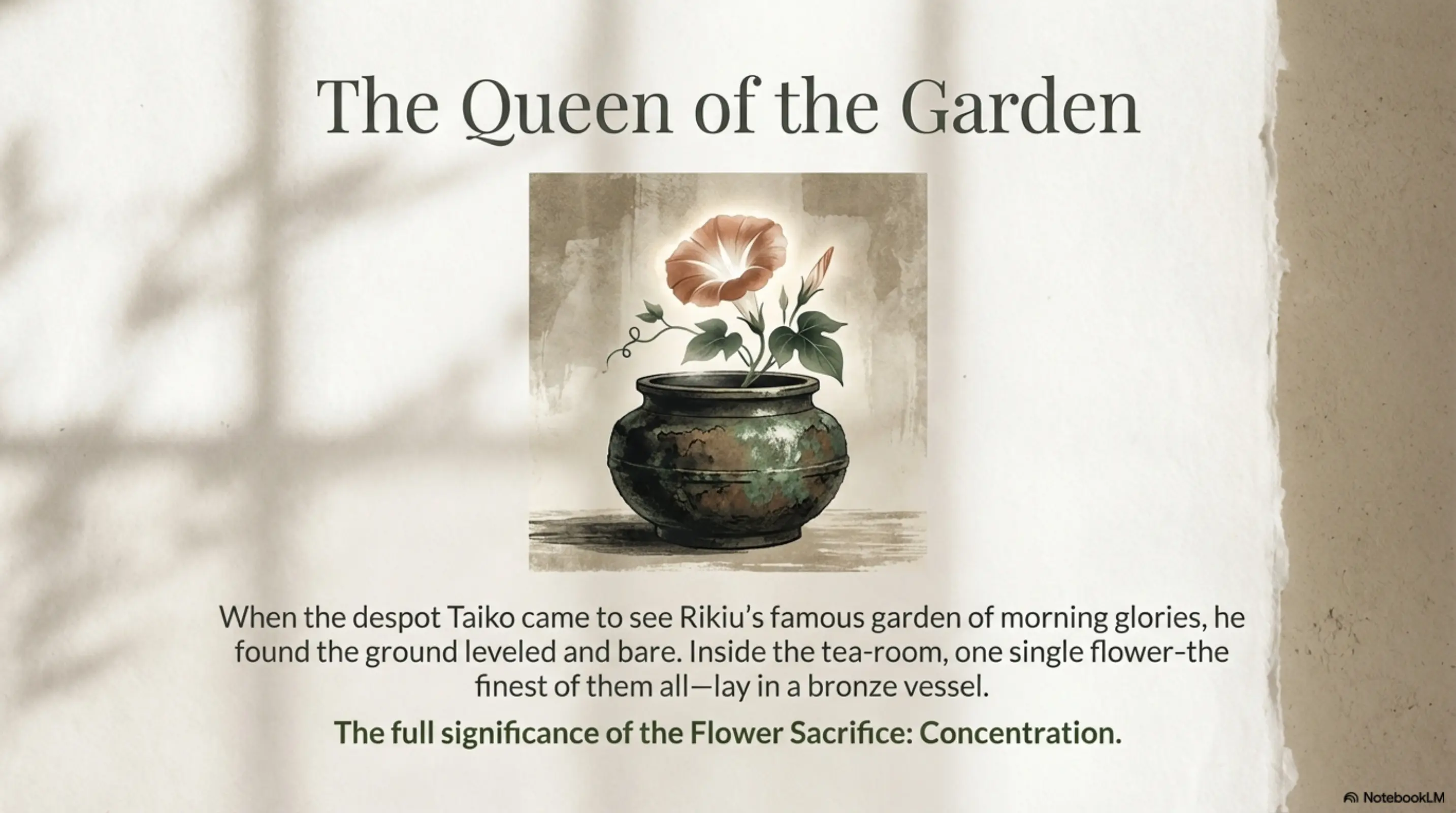
Sensory experience and the art of concentration -- details the custom tool omits
These extra slides reflect NotebookLM’s more granular reading of the source text. Where my tool compressed the material into 12 slides with broader thematic groupings, NotebookLM preserves more of the book’s individual anecdotes and philosophical distinctions.
Observations
Content depth vs. visual drama. NotebookLM is more faithful to the book’s structure, separating Taoism and Zen into distinct slides and preserving specific anecdotes. The custom tool takes a more editorial approach, choosing dramatic moments (the Two Dragons, the Broken Vessel) and giving them extra visual weight.
Text rendering quality. Gemini produces clean, readable text across all 12 slides. OpenAI shows noticeable text artifacts on several slides – garbled words like “encllhdfud,” “ssoud,” and “pananted” that break immersion. For text-heavy slides, Gemini is clearly more reliable.
Visual style. NotebookLM uses a consistent illustrated editorial style with detailed compositions. Gemini renders in an ink-wash watercolor style with consistent medium-sized landscapes. OpenAI goes more photorealistic with a painterly approach and variable slide sizes.
Structural choices. NotebookLM separates Rikiu’s death into one comprehensive slide; the custom tool gives it two for dramatic pacing. NotebookLM adds the “Two Dragons” concept nowhere, while the custom tool makes it a standalone slide early in the deck.
Bottom line. Each approach has strengths. NotebookLM offers deeper coverage and more faithful summarization. The custom tool with Gemini produces visually striking slides with clean text. OpenAI’s text rendering issues make it the weakest option for this kind of content, though its image compositions are often compelling. For a polished presentation, I’d currently recommend Gemini for visual generation and NotebookLM for content planning.
Wrought by a language model · Lightly edited · Always credited
Experiments · gemini · gpt · notebooklm · comparison · polyptych
Jörn Dinkla · 2 · 24 · 26