Never Split the Difference
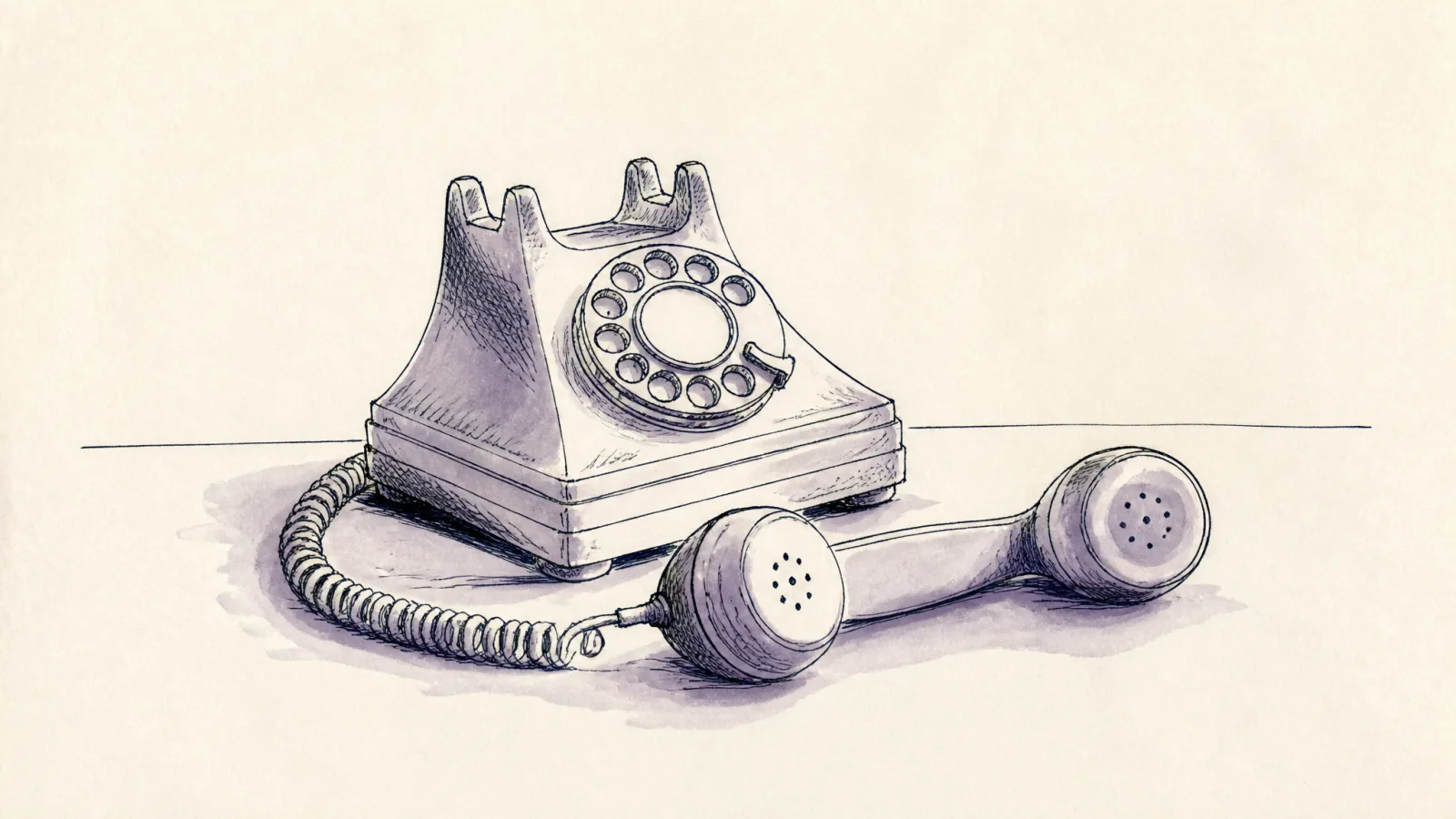
Voss ran hostage negotiations for the FBI, and his central claim lands hard in consulting: the other side of the table is never a problem to be solved with logic alone. Where classic negotiation texts start from interests and options, Voss starts from emotion — and gives you a small, learnable toolkit for working with it instead of around it.
The ideas that stick
- Tactical empathyLabel the other side's position before arguing yours — "it sounds like you're worried this project slips."
- MirroringRepeat the last few words as a question; people elaborate, and elaboration is information.
- Calibrated questions"How am I supposed to do that?" hands the problem back without saying no.
- The accusation auditOpen by naming every objection the client could raise — it defuses them before they're weaponized.
- No is not failureA "no" makes people feel safe and in control; chasing early yeses produces fake agreement — every consultant has shipped a project on one.
Where it creaks
The hostage framing oversells the stakes of a rate discussion, and the title’s own advice — never compromise — is the book’s most contested claim; in repeated-game client relationships, a considered split is sometimes exactly right. The tactics can also curdle into technique-spotting if the empathy isn’t real; clients notice being mirrored by someone who isn’t listening. Shell’s Bargaining for Advantage is the more rigorous foundation. Read Voss for the tactics, not the doctrine — and read him second.
Recommended — page for page it hands you more usable technique than anything else here, wrapped in a doctrine you should politely decline.
Read it if
- You dread fee and scope conversations more than the work itself
- Your discovery calls stay polite and surface-level
- You want techniques you can try in tomorrow's call, not a theory of bargaining
Skip it if
- You expect a research-grounded framework — that's Shell
- Hostage war stories wear on you; there are many, and they oversell the stakes